Satluj row: What legal records reveal about Jaswant Singh Khalra’s lifework, and murder
Source Entity
Divya Goyal Gopal
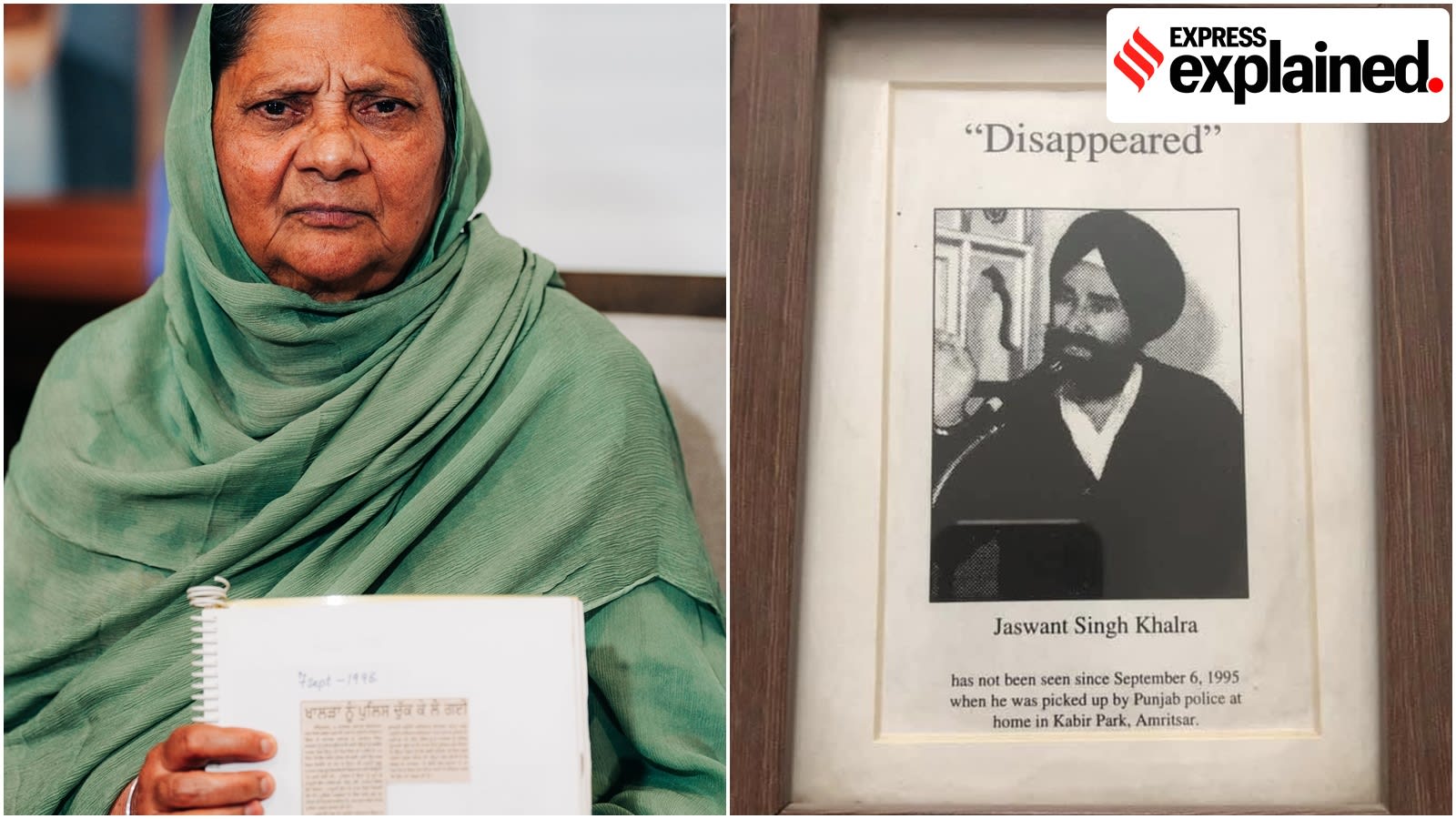
Thirty-one years after his abduction and custodial death in 1995, Punjab’s human rights crusader Jaswant Singh Khalra is back in public discourse, after his biopic Satluj was removed from an OTT platf...
The Resurrection of a Forgotten Struggle: The Satluj Controversy
The recent removal of the biopic Satluj from an OTT platform has unexpectedly thrust the legacy of Jaswant Singh Khalra back into the center of public and legal discourse. Khalra, a tireless human rights crusader in Punjab, became a symbol of resistance against state excess during one of the most turbulent periods in Indian history. The controversy surrounding the film's disappearance from digital streaming services highlights a persistent tension between the state's desire to control historical narratives and the public's right to remember the victims of custodial violence.
The Crusade Against Secret Cremations
To understand the significance of the Satluj row, one must understand Khalra's lifework. During the insurgency in Punjab, Khalra undertook the harrowing task of documenting 'disappearances.' He meticulously uncovered the practice of 'secret cremations,' where security forces allegedly disposed of bodies of individuals who had disappeared in custody without trial or record. By mapping these crematoriums and identifying the victims, Khalra provided closure to thousands of families and challenged the official silence of the state. His work was not merely archival; it was a direct confrontation with the machinery of power, making him a target for those who benefited from the opacity of the security operations.
The Tragedy of 1995 and the Legal Vacuum
Jaswant Singh Khalra's journey ended in tragedy in 1995 when he was abducted and subsequently murdered in custodial death. His death served as a grim punctuation mark to his efforts to hold the state accountable. For decades, the legal battle for justice has been characterized by delays and a lack of convictions for the high-ranking officials involved. The legal records reveal a systemic failure to protect human rights defenders, illustrating a period where the 'security of the state' was often prioritized over the 'rule of law.' The fact that his death remains a point of contention thirty-one years later underscores the lack of definitive closure and the lingering trauma within the region.
Censorship in the Digital Age
The removal of Satluj from an OTT platform represents a modern iteration of historical erasure. While traditional cinema was subject to the Central Board of Film Certification (CBFC), the shift to streaming platforms initially promised a space for more provocative and truthful storytelling. However, the removal of content related to sensitive political histories suggests that the boundaries of 'acceptable' discourse are still tightly monitored. This act of digital censorship not only suppresses the story of a single man but also threatens to erase the broader historical context of the human rights violations that Khalra spent his life documenting.
Broader Implications for Human Rights and Memory
This event signals a broader trend in how democratic societies handle 'difficult' histories. When legal records are the only remaining evidence of a crime, the artistic representation of those records—such as in a biopic—becomes a critical tool for public education. The Satluj row demonstrates that the state's memory is often selective, favoring narratives of victory over narratives of accountability. By removing such content, there is a risk that future generations will view the Punjab insurgency through a sanitized lens, ignoring the systemic abuses that Khalra fought to expose.
Conclusion: The Enduring Legacy of Jaswant Singh Khalra
In summary, the controversy over the biopic Satluj is more than a dispute over content hosting; it is a battle over historical truth. Jaswant Singh Khalra's life and death serve as a reminder of the fragility of human rights in the face of state power. As long as the legal records of his murder and his discoveries remain contested, the demand for his story to be told will persist. The removal of the film may temporarily silence a narrative, but it ultimately reinforces the importance of Khalra's mission: the insistence that no one, regardless of their rank, is above the law.