World News Live Updates: Saudi Arabia denies meeting Israeli officials during Netanyahu’s UAE visit
Source Entity
The Indian Express
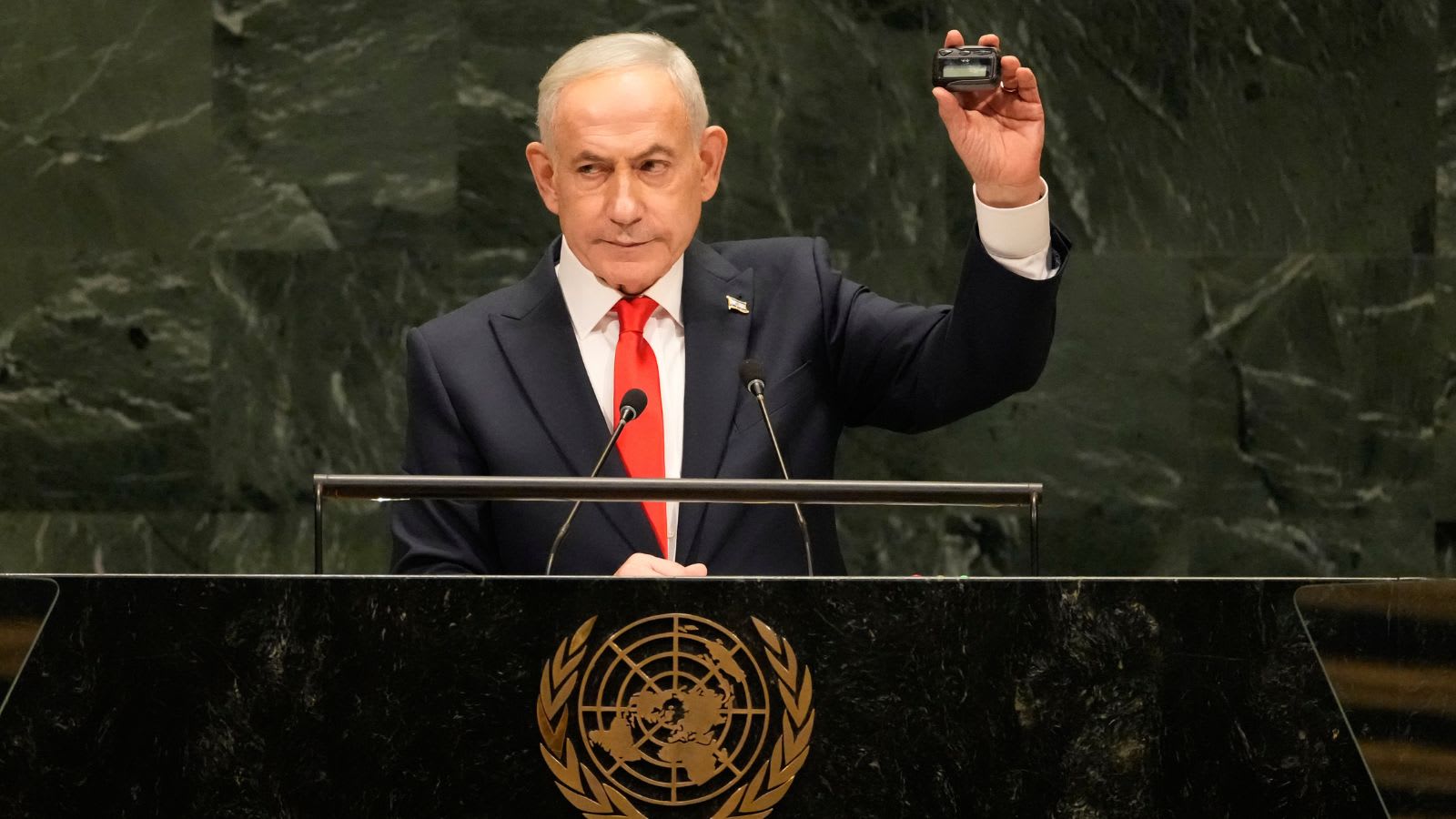
Saudi Arabia and Jordan have officially denied reports of secret meetings with Israeli Prime Minister Benjamin Netanyahu during his recent UAE visit. Meanwhile, Iran has issued a stern warning to the UAE, labeling the Israeli Prime Minister's presence in the region as a source of potential instability.
Diplomatic Tensions Surface Following Netanyahu's UAE Visit
Recent reports concerning Israeli Prime Minister Benjamin Netanyahu’s visit to the United Arab Emirates have sparked a flurry of diplomatic denials and regional warnings. Claims initially surfaced via the Ynet news site suggesting that secret meetings took place between the Israeli leader and representatives from several Middle Eastern nations, specifically naming Saudi Arabia, Jordan, and Morocco. These reports have been met with swift and categorical denials from the involved parties, highlighting the delicate state of regional diplomacy.
The Anatomy of the Denials
A senior Saudi official has formally refuted the claims of a clandestine meeting, seeking to distance the Kingdom from any suggestion of unauthorized or premature engagement with Israeli leadership. Similarly, Jordanian officials have rejected the report, asserting that no such interaction occurred. These denials underscore the continued sensitivity surrounding the normalization of relations between Israel and various Arab nations, a process that remains a highly complex and often polarizing endeavor in the Middle East.
Iran's Strategic Posturing
Beyond the denials, the visit has drawn a sharp response from Tehran. Iran’s Foreign Ministry has issued an explicit warning to the United Arab Emirates, cautioning that hosting the Israeli Prime Minister carries "highly dangerous consequences." This rhetoric reflects Iran's longstanding opposition to the Abraham Accords and any security cooperation between its regional rivals and Israel, which Tehran views as a direct threat to its national security interests.
Geopolitical Implications of Regional Integration
The attempt to bridge diplomatic gaps between Israel and its neighbors represents a fundamental shift in the Middle Eastern security architecture. However, the speed and nature of these interactions remain subject to intense scrutiny and public posturing. By denying these reports, nations like Saudi Arabia and Jordan demonstrate that while they may be involved in broader regional dialogues, they are not yet prepared to normalize direct, high-level diplomatic engagement with Israel in the public eye.
Future Trends and Regional Stability
Looking forward, the tension between regional integration and the influence of external powers like Iran will likely continue to define Middle Eastern policy. The incident serves as a reminder that diplomatic progress is often fragile and prone to misinterpretation or deliberate misinformation. As the UAE and other nations navigate the balance between their strategic partnerships with the West and their regional security concerns, the potential for further friction remains high, necessitating a cautious approach to future high-level visits and communications.