SC rejects Kerala professor’s anticipatory bail in student suicide case, calls conduct ‘inhuman’
Source Entity
India Latest News: Top National Headlines Today & Breaking News | The Hindu
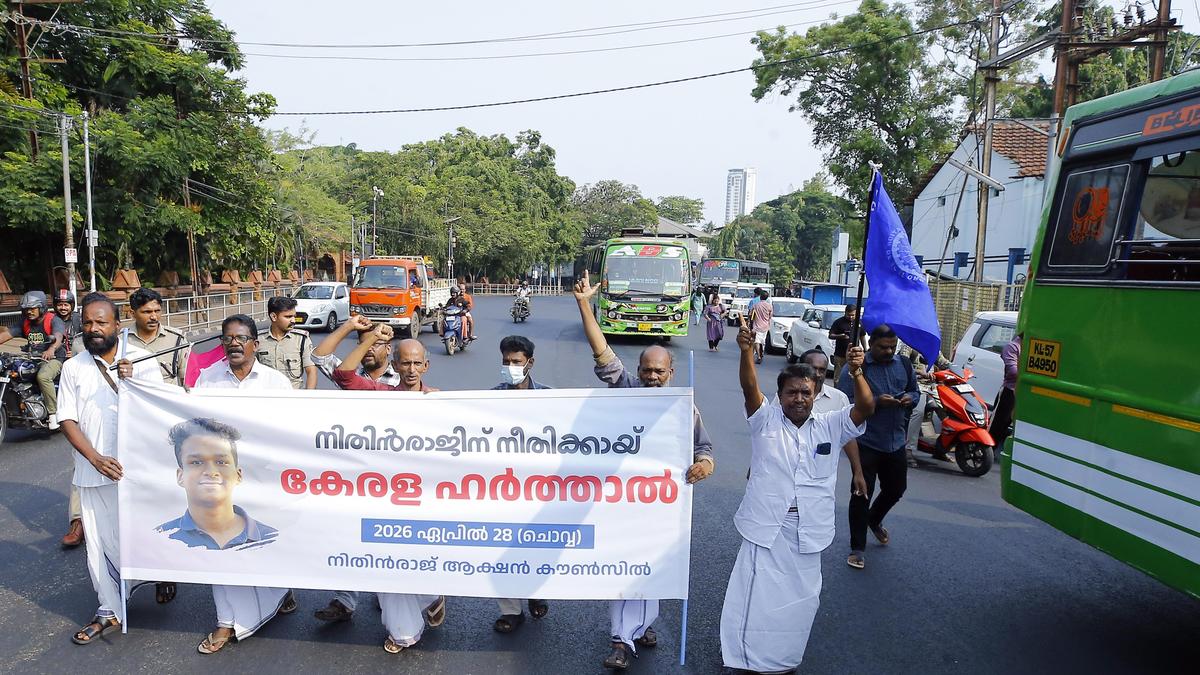
The Kerala student’s family has alleged that he had taken his life following harassment by two professors
Judicial Intervention in Academic Harassment: The Kerala Student Suicide Case
In a significant judicial development, the Supreme Court of India has denied anticipatory bail to a professor from Kerala, whose actions allegedly led to the tragic suicide of a student. The court's decision is punctuated by a stark condemnation of the professor's behavior, which was characterized as "inhuman." This case brings to the forefront the critical intersection of academic authority, mental health, and the legal accountability of educators who occupy positions of power over their students.
The Legal Implications of Denying Anticipatory Bail
Anticipatory bail is a legal provision designed to protect individuals from arbitrary arrest when there is a reasonable apprehension of being accused of a non-bailable offense. By rejecting this plea, the Supreme Court has signaled that the gravity of the allegations in this case—specifically the harassment leading to a student's death—outweighs the professor's right to pre-arrest protection. From a legal standpoint, the court's use of the term "inhuman" suggests that the prima facie evidence presented by the student's family indicates a level of cruelty or systemic abuse that necessitates a rigorous custodial investigation to ensure a fair trial and prevent the tampering of evidence.
Power Dynamics and the Breach of Trust in Academia
At the heart of this case lies the inherent power imbalance between a professor and a student. The academic relationship is fundamentally built on mentorship, trust, and guidance. When this dynamic is weaponized to harass or belittle a student, the psychological impact can be devastating. The allegations brought forward by the family suggest a breach of this professional trust, where the educator, instead of fostering a supportive learning environment, allegedly contributed to a state of distress so severe that the student felt suicide was the only recourse. This case highlights the urgent need for stricter codes of conduct within educational institutions to prevent the abuse of academic authority.
Broader Implications for Student Mental Health
This tragedy underscores a growing crisis regarding student mental health in competitive academic environments. The pressure to perform, combined with potential harassment from faculty, can create a volatile emotional state for students. The Supreme Court's intervention serves as a reminder that educational institutions cannot remain passive bystanders. There is a pressing need for robust, independent grievance redressal mechanisms and accessible mental health support systems that allow students to report harassment without fear of academic retaliation.
Historical Context and Judicial Trends
Historically, cases of academic harassment in India have often been handled internally by university committees, which are sometimes criticized for protecting their own staff. However, there is a visible shift in the Indian judiciary's approach, moving toward a zero-tolerance policy for the abetment of suicide and harassment within professional settings. By labeling the conduct "inhuman," the Supreme Court is aligning itself with a broader trend of prioritizing the rights and dignity of the victim over the professional status of the accused, ensuring that academic credentials do not serve as a shield against criminal liability.
Conclusion and Future Outlook
The rejection of the anticipatory bail in this Kerala case is a stern warning to educators across the country. It establishes that the judiciary will not overlook the psychological toll of harassment in academic settings. Moving forward, this case is likely to prompt a re-evaluation of faculty-student interaction protocols and may lead to more stringent legal frameworks regarding "academic bullying." The final outcome of the trial will be pivotal in defining the legal boundaries of professional conduct in Indian universities and the consequences of failing to protect the most vulnerable members of the academic community.
Verification Required?