SC stays Madras HC order directing total ban on cow slaughter during Bakrid
Source Entity
TOI NEWS DESK
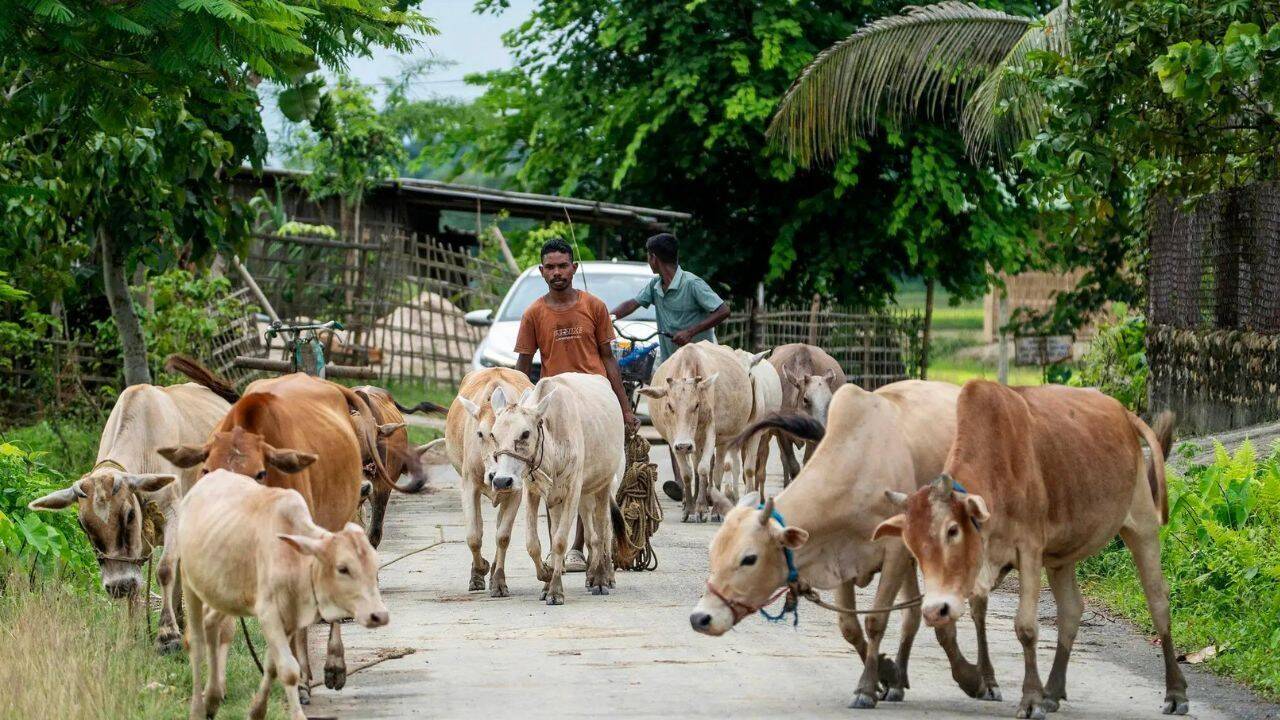
A vacation bench comprising Justice GR Swaminathan and Justice V Lakshminarayanan passed the order while hearing a public interest litigation (PIL) seeking to prevent the slaughter of cows in places other than designated slaughterhouses. "The question that calls for consideration in this PIL is whether cows and calves can be sacrificed in places not designated as slaughterhouses on the occasion of Bakrid?" the bench observed.
Judicial Intervention: SC Stays Madras HC Order on Bakrid Slaughter
In a significant legal development, a vacation bench of the Supreme Court of India, comprising Justice GR Swaminathan and Justice V Lakshminarayanan, has stayed an order previously issued by the Madras High Court. The High Court's directive had mandated a total ban on the slaughter of cows during the occasion of Bakrid. This intervention by the apex court comes as a response to a Public Interest Litigation (PIL) that sought to regulate the practice of animal sacrifice, specifically questioning whether such acts can legally take place in locations other than government-designated slaughterhouses.
The Legal Conflict: Total Ban vs. Regulation
The crux of this legal battle lies in the distinction between a complete prohibition of slaughter and the regulation of the environment in which it occurs. The Madras High Court's initial order leaned toward a total ban, which represented a stringent approach to animal welfare and cow protection. However, the Supreme Court's decision to stay this order suggests a judicial inclination to examine the nuances of the law. The bench specifically highlighted the core question: whether the law permits the sacrifice of cows and calves in non-designated areas during religious festivals. This shifts the focus from whether slaughter can happen to where it can legally happen, emphasizing administrative compliance over absolute prohibition.
Constitutional Balancing and Religious Freedom
This case underscores the perennial tension in the Indian judiciary between Article 25 of the Constitution, which guarantees the freedom to practice and profess religion, and the state's power to impose restrictions in the interest of public order, morality, and health. Bakrid (Eid-al-Adha) involves the ritual sacrifice of animals, a practice deeply rooted in faith. When state-level courts impose total bans, it often triggers concerns regarding the infringement of religious rights. By staying the Madras HC order, the Supreme Court is ensuring that the balance between religious sentiment and statutory animal protection laws is carefully weighed before a final mandate is established.
The Role of Designated Slaughterhouses
From a regulatory perspective, the insistence on using designated slaughterhouses is not merely a legal formality but a matter of public health and urban management. Slaughterhouses are designed to manage waste, ensure hygienic conditions, and provide a framework for veterinary inspection to ensure the animal is fit for consumption. The PIL's focus on preventing slaughter in "places other than designated slaughterhouses" indicates a push toward institutionalizing these practices to prevent public nuisance and ensure that the slaughter is carried out under the oversight of municipal authorities, thereby reducing the likelihood of illegal or unregulated killings.
Societal Implications and Political Sensitivity
Cow slaughter is one of the most sensitive socio-political issues in India, often intersecting with identity politics and communal harmony. The legal discourse surrounding the "cow" often transcends simple animal rights, entering the realm of cultural and religious symbolism. In states like Tamil Nadu, where the Madras High Court operates, the legal framework for cattle slaughter varies from the more stringent laws found in northern Indian states. The Supreme Court's intervention serves as a stabilizing mechanism, preventing potential social unrest that could arise from a blanket ban during a major religious festival, while still keeping the door open for regulatory oversight.
Future Legal Trajectory and Conclusion
Looking forward, this case is likely to set a precedent for how religious sacrifices are managed across different Indian states. The Supreme Court's focus on the location of slaughter suggests that the final verdict may lean toward a regulated model rather than a total ban. This would allow the state to maintain public health standards and animal welfare guidelines without completely overriding religious practices. In conclusion, the stay order reflects the judiciary's commitment to a nuanced interpretation of the law, ensuring that neither religious freedom nor public regulation is unilaterally sacrificed in the pursuit of legal clarity.