Forest Department to crack down on wildlife hunting in north Karnataka
Source Entity
India Latest News: Top National Headlines Today & Breaking News | The Hindu
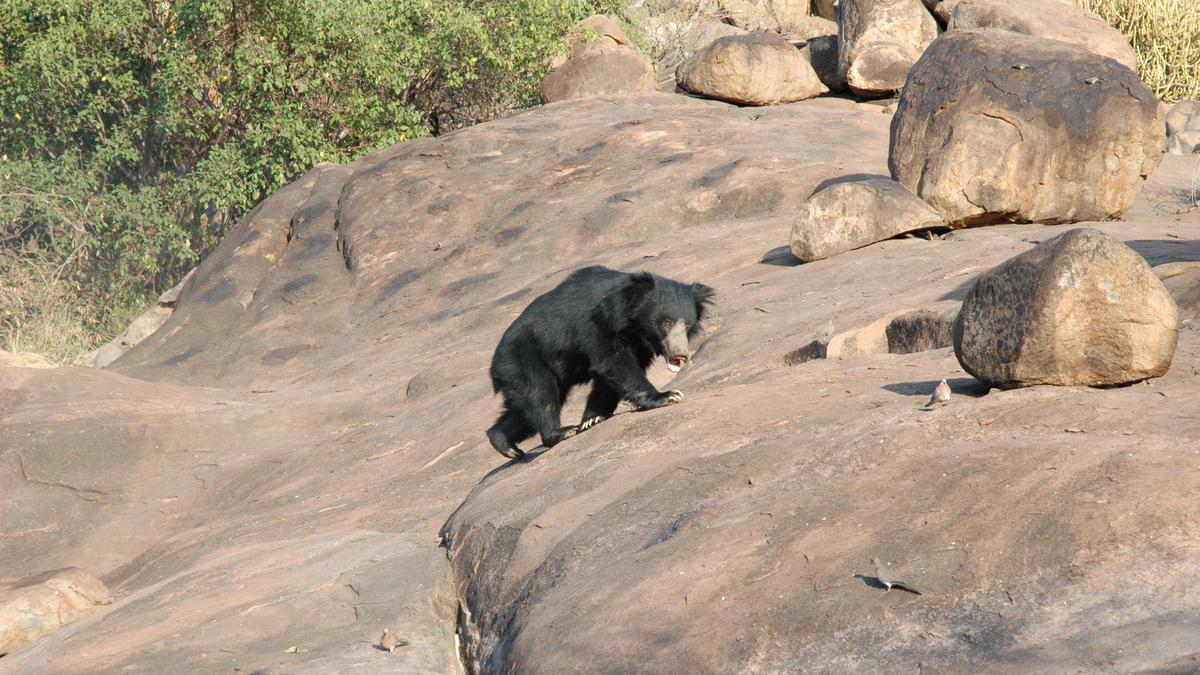
Issues set of measures to prevent trophy or ritual hunting in north Karnataka
Safeguarding Biodiversity: Karnataka's Offensive Against Illegal Hunting
The Karnataka Forest Department has initiated a decisive crackdown on wildlife hunting across the northern districts of the state. This strategic move comes in response to persistent reports of illegal poaching, specifically targeting 'trophy hunting' and 'ritual hunting.' By issuing a comprehensive set of preventive measures, the department aims to dismantle the networks that facilitate the killing of protected species, ensuring that the region's rich biological diversity is preserved against human encroachment and antiquated practices.
The Dual Threat: Trophy vs. Ritual Hunting
To understand the gravity of this crackdown, it is essential to distinguish between the two primary drivers of poaching mentioned. Trophy hunting is typically driven by prestige, wealth, and the desire to possess rare animal parts as status symbols. This often involves organized syndicates and high-value black markets. Conversely, ritual hunting is frequently rooted in deep-seated local superstitions or traditional beliefs, where specific animal organs are believed to possess medicinal or spiritual properties. By targeting both, the Forest Department is addressing both the commercial and the cultural drivers of wildlife crime, recognizing that a one-size-fits-all approach to enforcement is insufficient.
Ecological Context of North Karnataka
North Karnataka serves as a critical corridor for several endangered species, including the Bengal tiger, Indian elephant, and various species of leopards and ungulates. The region's diverse landscapes—ranging from the dense forests of the Western Ghats to the scrublands of the Deccan Plateau—make it a sanctuary for wildlife but also a challenging environment for surveillance. The removal of apex predators through trophy hunting can lead to a 'trophic cascade,' where the overpopulation of herbivores leads to overgrazing and the eventual degradation of the forest ecosystem, threatening the water security and climate stability of the entire region.
Implementation and Enforcement Strategies
While the specific measures issued by the department involve increased vigilance, they likely encompass a multi-pronged strategy. This includes the deployment of additional forest guards, the integration of intelligence-led policing to identify poachers before they enter protected zones, and the use of technology such as camera traps and drone surveillance. Furthermore, the crackdown likely involves stricter application of the Wildlife Protection Act, 1972, ensuring that those caught engaging in ritual or trophy hunting face rigorous legal penalties to serve as a deterrent to others.
Socio-Cultural Challenges and Future Trends
One of the most significant hurdles the Forest Department faces is the intersection of law and tradition. Ritual hunting is often embedded in rural community beliefs, making enforcement socially sensitive. Moving forward, the success of this crackdown will likely depend on 'community-based conservation.' By educating local populations on the ecological importance of these animals and providing alternative livelihoods, the state can transition from a purely punitive model to a collaborative one. We can expect a trend toward increased digital monitoring and the creation of 'community watch' programs to bridge the gap between the administration and the forest-dwelling populations.
Conclusion
The Forest Department's resolve to eliminate hunting in North Karnataka is a vital step toward ecological sustainability. By specifically targeting the distinct motivations of trophy and ritual hunters, the state is taking a nuanced approach to conservation. If these measures are implemented consistently and coupled with community outreach, North Karnataka can secure its position as a stronghold for India's wildlife, ensuring that the natural heritage of the region remains intact for future generations.
Verification Required?