How active stealth and electronic warfare protect the Rafale in combat
Source Entity
TOI DEFENCE DESK
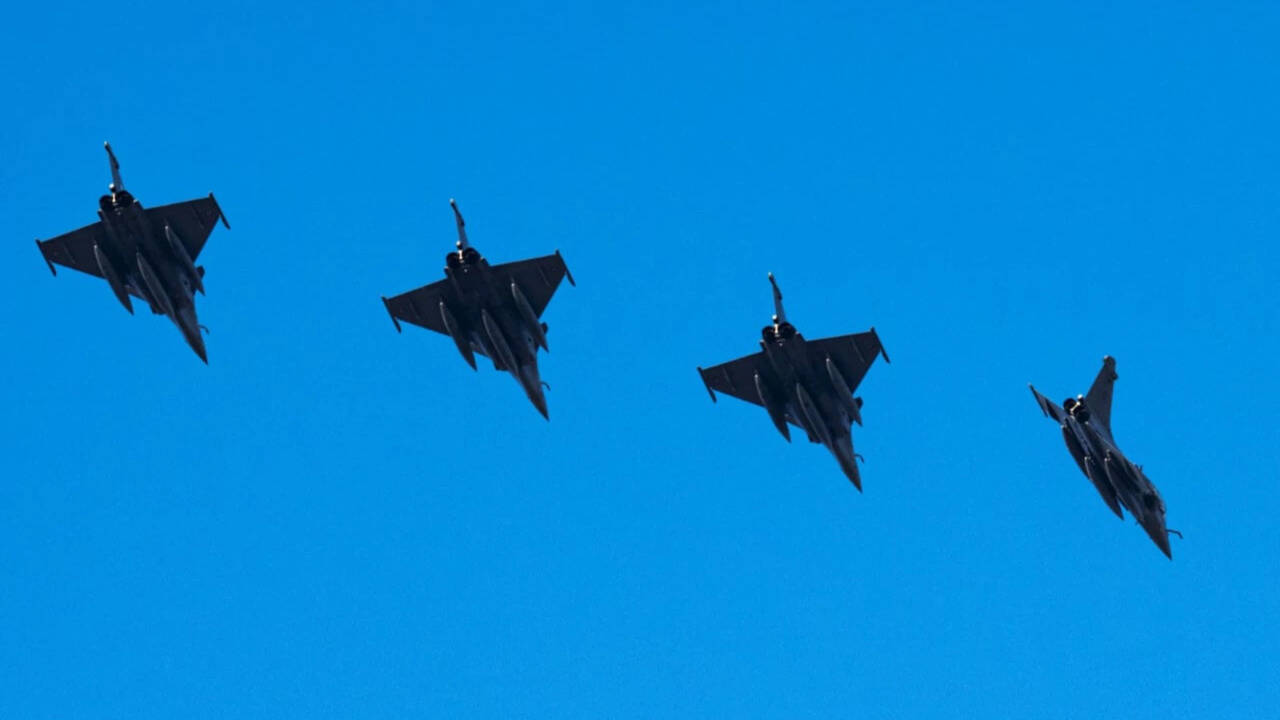
The Indian Air Force's Rafale fighter jet is its most advanced combat aircraft. This 4.5-generation platform offers advanced avionics and sensor fusion for pilots. It performs multiple mission types, often within a single sortie, enhancing operational flexibility. The Rafale relies on electronic means and integrated systems for radar evasion. Its survivability architecture operates in passive and active modes against hostile threats.
The Strategic Edge of the IAF's Rafale Fleet
The introduction of the Rafale fighter jet into the Indian Air Force (IAF) represents a significant leap in aerial combat capability. As a 4.5-generation platform, the Rafale is not merely an incremental upgrade over previous aircraft but a comprehensive integration of advanced avionics and sensor fusion. This technological synergy allows the pilot to receive a processed, unified picture of the battlefield rather than managing disparate data streams, which drastically reduces cognitive load during high-stress combat maneuvers and ensures faster decision-making cycles.
Omnirole Capability and Operational Flexibility
One of the most defining characteristics of the Rafale is its "omnirole" nature. Unlike traditional multi-role aircraft that may require different configurations for different missions, the Rafale is designed to perform multiple mission types—such as air superiority, ground attack, and reconnaissance—often within a single sortie. This operational flexibility allows the IAF to adapt to rapidly evolving battlefield conditions without needing to return to base for reconfiguration, thereby maximizing the efficiency of every flight hour and increasing the pressure on adversarial forces.
The Architecture of Survivability: Passive Defense
Survivability in modern contested airspace depends heavily on a jet's ability to remain undetected. The Rafale employs a sophisticated survivability architecture that begins with passive modes of radar evasion. By utilizing advanced materials and integrated systems to minimize its radar cross-section (RCS) and employing passive sensors that can detect enemy emissions without emitting any signals themselves, the Rafale can "see" the enemy while remaining virtually invisible. This passive approach is critical for penetrating deep into hostile territory without triggering early warning systems.
Active Electronic Warfare and Signal Dominance
When stealth is insufficient or when the aircraft must engage in active combat, the Rafale switches to its active electronic warfare (EW) mode. This involves the use of integrated systems to jam enemy radar, spoof incoming missiles, and disrupt the communication links of hostile aircraft. By actively manipulating the electromagnetic spectrum, the Rafale can create "ghost" targets or mask its actual position, effectively blinding the enemy's defense systems and creating a safe corridor for its own strike packages.
Integration of Sensor Fusion and Combat Effectiveness
The true power of the Rafale lies in how its sensor fusion ties the passive and active systems together. The aircraft's avionics suite constantly analyzes data from various sources, automatically determining the most effective mode of operation based on the threat level. This seamless transition between stealthy observation and aggressive electronic jamming ensures that the pilot maintains a tactical advantage. This level of integration is what elevates the Rafale to the 4.5-generation status, bridging the gap between traditional fighters and full-spectrum stealth aircraft.
Conclusion and Future Implications
In summary, the Rafale's combination of active stealth and electronic warfare capabilities provides the Indian Air Force with a potent deterrent and a versatile tool for power projection. As aerial warfare continues to shift toward the electromagnetic spectrum, the ability to blend passive evasion with active disruption will be the deciding factor in air superiority. The Rafale's architecture ensures that the IAF remains competitive against evolving threats, setting a high benchmark for survivability and lethality in the modern era.