CAG flags Kochi Corporation’s idling vehicle fleet bleeding public money
Source Entity
India Latest News: Top National Headlines Today & Breaking News | The Hindu
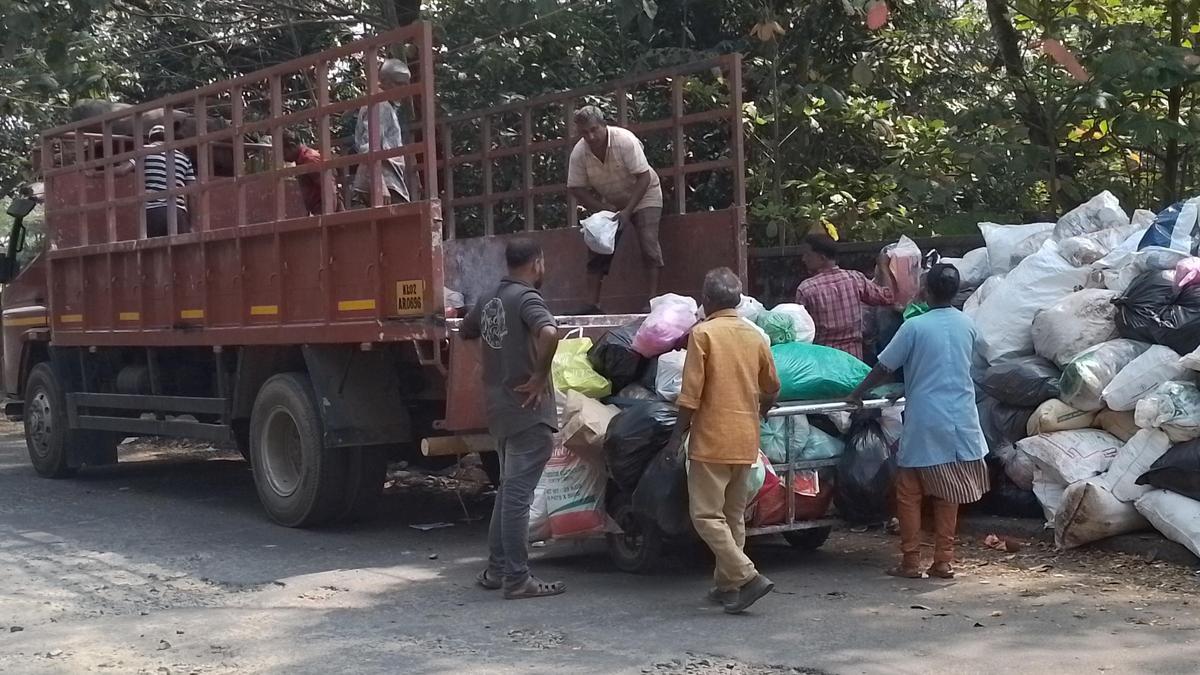
CAG reports finds that out of the Corporation’s 143 vehicles, 72 had to be auctioned off as unserviceable, while another 34 were off the roads for want of fitness or maintenance
Financial Hemorrhage in Municipal Management: Analyzing the Kochi Corporation Fleet Crisis
The recent report by the Comptroller and Auditor General (CAG) has cast a harsh light on the administrative inefficiencies within the Kochi Corporation. The findings reveal a systemic failure in asset management, where a fleet intended to serve the public has instead become a symbol of fiscal waste. By flagging the idling vehicle fleet, the CAG has highlighted a critical gap between the acquisition of public assets and the institutional capacity to maintain them, resulting in a significant bleed of taxpayer money.
The Quantitative Scale of Neglect
At the heart of the controversy is a staggering breakdown of the Corporation's 143 vehicles. The CAG report indicates that 72 of these vehicles—roughly half of the entire fleet—had to be auctioned off because they were deemed unserviceable. Even more concerning is the status of another 34 vehicles, which remain off the roads not because they are beyond repair, but due to a failure to secure basic fitness certifications or conduct routine maintenance. This means that a vast majority of the fleet was either permanently lost or temporarily useless, representing a massive underutilization of capital assets.
Systemic Failures in Asset Maintenance
This level of decay suggests a profound failure in the Corporation's internal oversight and maintenance protocols. Typically, municipal vehicles require a strict schedule of preventative maintenance to ensure longevity and safety. The fact that 34 vehicles were sidelined simply for "want of fitness" indicates a bureaucratic breakdown where administrative delays or negligence superseded operational needs. This pattern often stems from a lack of dedicated fleet management personnel or a failure to allocate budget specifically for upkeep, leading to a cycle where assets are run into the ground and then replaced at a higher cost to the public.
Impact on Public Service Delivery
While the CAG report focuses on the financial loss, the broader implication is the degradation of public services in Kochi. Municipal vehicles are the backbone of essential city functions, including waste management, emergency response, and administrative logistics. When over 100 vehicles are either auctioned or idling, the operational capacity of the city is severely diminished. This likely leads to delays in garbage collection, inefficient movement of personnel, and an overall decline in the quality of urban governance, as the remaining functional vehicles are likely overworked to compensate for the missing fleet.
The Watchdog's Role and Institutional Accountability
The intervention of the CAG is pivotal here, as it serves as the supreme audit institution of India, ensuring that public funds are used economically and efficiently. By documenting this waste, the CAG is not merely pointing out a technical error but is demanding institutional accountability. This report puts pressure on the Kochi Corporation to explain why such a high percentage of its fleet became unserviceable and why basic fitness requirements were ignored. It highlights a recurring theme in local governance where the 'procurement' phase of a project is prioritized over the 'sustainability' phase.
Future Trends: Toward Digital Asset Tracking
Moving forward, this incident is likely to trigger a demand for more transparent, digital asset management systems within Kerala's municipal corporations. To prevent a recurrence, the transition from manual logs to real-time fleet tracking and automated maintenance alerts will be essential. If the Kochi Corporation intends to recover from this audit, it must implement a lifecycle management strategy that treats vehicles as long-term investments rather than disposable tools. Failure to do so will likely lead to further CAG flags and a continued erosion of public trust in local administrative efficiency.
Conclusion
In summary, the CAG's findings regarding the Kochi Corporation's vehicle fleet are a stark reminder of the costs associated with administrative apathy. The loss of 72 vehicles to auction and the idling of 34 others represent a failure of stewardship. For Kochi to evolve as a smart city, it must first master the basics of asset maintenance and fiscal responsibility to ensure that public money is invested in services, not wasted on rusting machinery.
Verification Required?