Three warkari pilgrims killed, four injured in road accident
Source Entity
India Latest News: Top National Headlines Today & Breaking News | The Hindu
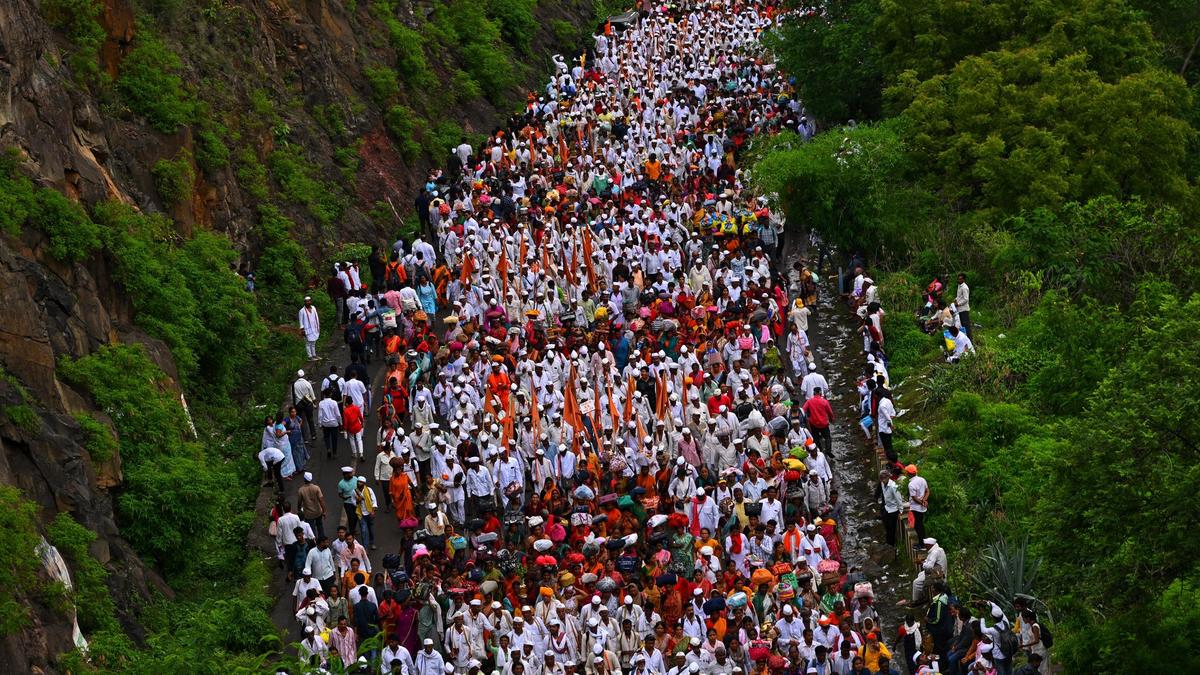
Police are investigating the cause of the accident. In a preliminary probe, a Pune Rural official said, “It looks like a case of losing control at high speed.”
Tragedy Strikes Warkari Pilgrims in Pune Road Accident
In a devastating incident reported in the Pune Rural region, three Warkari pilgrims lost their lives and four others sustained injuries following a severe road accident. The event has cast a shadow of grief over the community of devotees who were traveling as part of their spiritual journey. Local authorities were quickly dispatched to the scene to manage the casualties and initiate a formal investigation into the circumstances surrounding the crash.
Preliminary Findings and Cause of Accident
According to initial statements from Pune Rural police officials, the primary cause of the tragedy appears to be a failure in vehicle control. A preliminary probe suggests that the vehicle was traveling at an excessive speed, which likely led the driver to lose control, resulting in the fatal collision. While the investigation is still ongoing, the emphasis on "high speed" highlights a recurring issue on the highways of Maharashtra, where the pressure to reach destinations quickly often compromises the safety of passengers and pedestrians alike.
The Cultural Context of the Wari Pilgrimage
To understand the gravity of this event, it is essential to recognize the significance of the Warkari tradition. The Warkari movement is a centuries-old devotional tradition in Maharashtra, where thousands of pilgrims (Warkaris) travel—often on foot—to the temple of Lord Vitthal in Pandharpur. This pilgrimage is not merely a physical journey but a deeply spiritual exercise in equality, devotion, and community. When pilgrims utilize road transport to supplement their journey, they often travel in crowded vehicles, which can exacerbate the severity of injuries and fatalities in the event of a high-impact collision.
Analysis of Road Safety in Rural Corridors
The accident occurred under the jurisdiction of Pune Rural, an area characterized by a mix of high-speed transit corridors and local village roads. The intersection of fast-moving commercial traffic and slow-moving pilgrimage groups creates a high-risk environment. The police's observation regarding speed suggests a systemic failure in speed regulation within these rural zones. When drivers disregard speed limits in areas known for high pedestrian or pilgrim activity, the margin for error vanishes, often leading to catastrophic outcomes as seen in this instance.
Broader Implications for Pilgrim Safety
This incident underscores the urgent need for enhanced safety protocols during peak pilgrimage seasons. The sheer volume of people moving toward Pandharpur puts immense pressure on the existing road infrastructure. There is a critical need for the administration to implement temporary speed breakers, increased police patrolling, and clearer signage in "pilgrim-heavy" zones to protect vulnerable travelers. The death of three devotees serves as a grim reminder that spiritual journeys can be cut short by preventable human error and infrastructural negligence.
Future Trends and Preventative Measures
Moving forward, it is predicted that there will be increased calls for stricter enforcement of speed limits in the Pune Rural district, especially during the Wari season. We may see the introduction of more sophisticated traffic monitoring systems and the deployment of additional volunteers to guide pilgrims safely across highways. The integration of better emergency response systems in rural areas will also be vital to ensure that the injured, like the four survivors of this crash, receive medical attention within the "golden hour" to prevent further loss of life.
Summary
The loss of three Warkari pilgrims in a high-speed accident is a tragic intersection of faith and road negligence. While the Pune Rural police continue their investigation, the event highlights the precarious nature of travel during major religious festivals in India. Ensuring the safety of the Warkaris requires a concerted effort between law enforcement and transport authorities to curb speeding and improve rural road safety.
Verification Required?