Robbed in Rajdhani: Couple wins Rs 80,000 after gold mangalsutra stolen in AC coach
Source Entity
Ashish Shaji
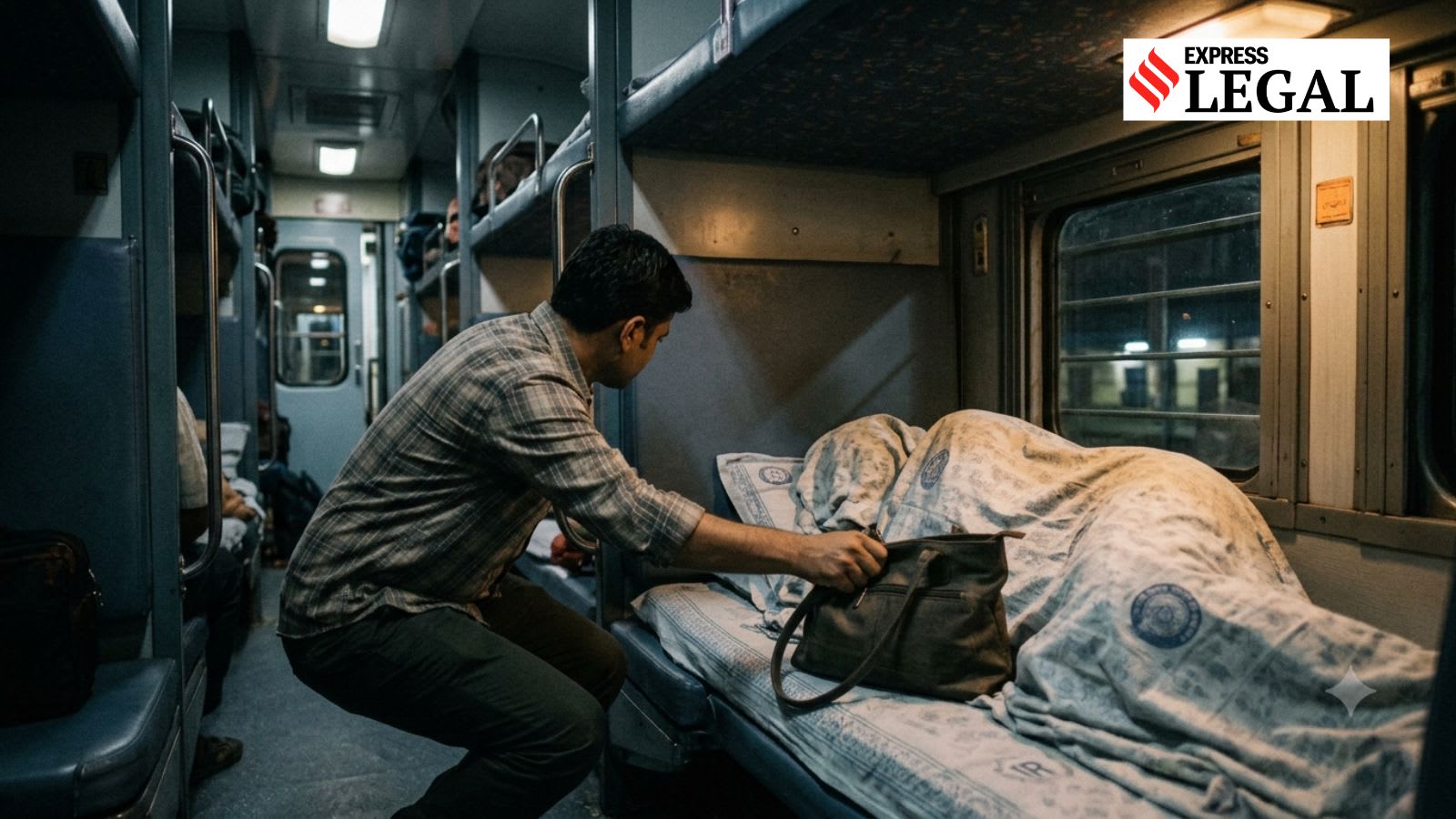
A consumer commission in Punjab has directed Northern Railway to pay Rs 80,000 to a couple whose handbag, containing gold mangalsutra and cash, was allegedly stolen during a train journey on a Rajdhan...
Legal Accountability in Premium Transit: The Rajdhani Theft Case
In a significant ruling regarding passenger safety and service accountability, a consumer commission in Punjab has directed Northern Railway to pay a compensation of Rs 80,000 to a couple. The case stemmed from a security failure during a journey on the Rajdhani Express, where the couple's handbag—containing a gold mangalsutra and cash—was stolen from their AC coach. This decision underscores the legal expectation that premium transport services must ensure a baseline of security for their patrons, especially when passengers pay a higher fare for the perceived safety and exclusivity of an air-conditioned coach.
The Intersection of Premium Fare and Service Deficiency
At the heart of this case is the concept of "deficiency in service" under the Consumer Protection Act. The Rajdhani Express is marketed as one of the most prestigious and secure train services provided by Indian Railways. When passengers opt for AC coaches, they are not merely paying for climate control but for a controlled environment with restricted access. The theft of a gold mangalsutra—an item of significant sentimental and financial value—highlights a critical gap in the surveillance and security protocols of the Northern Railway. The court's decision to award compensation suggests that the railway authority failed to provide the secure environment promised by the premium nature of the service.
Security Challenges within the Indian Railway Ecosystem
This incident reflects a broader, systemic challenge facing the Indian Railways. Despite the deployment of the Railway Protection Force (RPF) and the Government Railway Police (GRP), thefts in AC coaches remain a persistent issue. The vulnerability often arises during halts or through the infiltration of unauthorized persons into the coaches. In this specific instance, the loss of a handbag indicates a lapse in vigilance that allowed a thief to operate undetected in a high-security zone. The legal recourse taken by the couple serves as a critique of the standard operating procedures currently in place for passenger luggage safety.
The Role of Consumer Commissions in Enforcing Accountability
For years, passengers experiencing theft on trains often found themselves in a bureaucratic loop between the RPF and local police, with little to no recovery of stolen assets. By awarding Rs 80,000, the Punjab consumer commission has shifted the burden of loss from the victim to the service provider. While the monetary compensation may not fully replace the emotional value of a mangalsutra, the ruling establishes a legal precedent. It signals to Northern Railway and other zones that they cannot remain indifferent to security breaches, as the judiciary is increasingly viewing passenger safety as a contractual obligation of the ticket purchase.
Broader Implications for Passenger Rights
This ruling is likely to embolden other passengers to seek legal remedies for losses incurred during rail travel. Historically, the railways have often claimed immunity or pointed toward the "travel at your own risk" nature of public transport. However, this judgment reinforces the idea that "reasonable care" must be exercised by the administration. As more cases reach consumer courts, the railways may be forced to implement more stringent biometric checks for coach entry or enhance the installation of high-definition CCTV cameras throughout the corridors of premium trains to deter criminal activity.
Future Trends in Rail Security and Legal Recourse
Looking forward, this event points toward a trend of increased litigation against state-run transport entities for negligence. To mitigate these legal risks, Northern Railway and the broader Ministry of Railways may need to invest in integrated security systems and better-trained staff for AC coaches. We can expect a push toward digital luggage tracking or stricter manifest verification to ensure that only authorized passengers are present in the coaches. The shift from "police investigation" to "consumer compensation" marks a pivotal change in how passenger grievances are handled in India.
Conclusion
The Punjab consumer commission's order is a victory for passenger rights over institutional apathy. By holding Northern Railway financially accountable for the theft of the couple's valuables, the court has emphasized that premium pricing must be matched by premium security. This case serves as a wake-up call for the railway administration to upgrade its security infrastructure to protect passengers and their belongings, ensuring that the journey on a Rajdhani Express remains as safe as it is prestigious.