Supreme Court stays Madras High Court order banning cow slaughter in Tamil Nadu
Source Entity
India Latest News: Top National Headlines Today & Breaking News | The Hindu
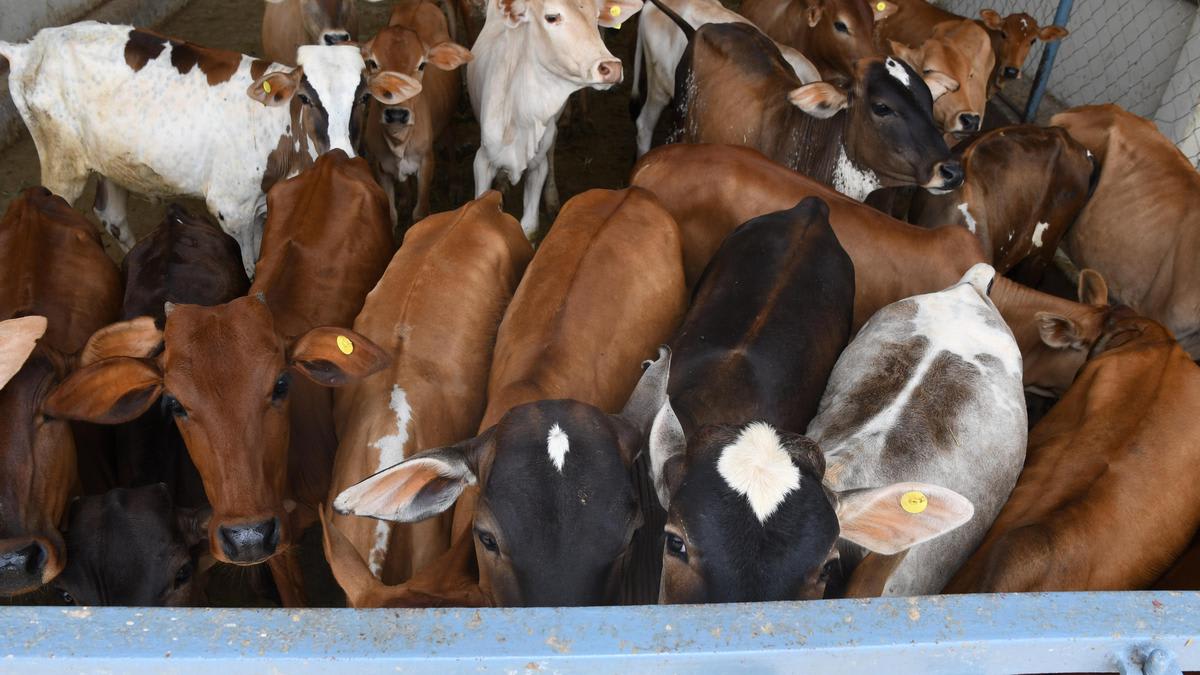
The High Court on May 27 ordered a blanket ban on the slaughter of cows and calves in the State
Judicial Intervention in Animal Welfare and Trade Laws
In a significant legal development, the Supreme Court of India has intervened to stay a directive issued by the Madras High Court, which had sought to impose a blanket ban on the slaughter of cows and calves in Tamil Nadu. The original order, passed by the High Court on May 27, represented a sweeping regulatory shift that would have fundamentally altered the livestock trade and consumption patterns within the state. By staying this order, the apex court has effectively paused the implementation of the ban, allowing for a more nuanced legal examination of the conflict between animal protection mandates and the socioeconomic rights of citizens.
The Scope of the Madras High Court's Order
The Madras High Court's decision on May 27 was an absolute mandate, ordering a complete prohibition on the slaughter of cows and calves. Such "blanket bans" are often contentious because they typically leave little to no room for exceptions—such as animals that are terminally ill, aged, or no longer productive. In the legal landscape of India, cow slaughter laws vary significantly by state, reflecting the diverse cultural and religious demographics of the country. The High Court's move was an attempt to elevate the protection of bovine animals to an absolute legal requirement, regardless of the animal's utility or health status.
Legal Implications of the Supreme Court's Stay
When the Supreme Court "stays" an order, it does not necessarily overturn the ruling permanently but freezes its execution. This is a critical judicial tool used to prevent "irreparable harm" that might occur if a controversial law is implemented before all legal arguments are heard. In this instance, the stay prevents the immediate criminalization of activities that were previously legal or regulated under existing state laws. The Supreme Court's intervention suggests that the blanket nature of the High Court's ban may have lacked the necessary proportionality or failed to account for existing statutory frameworks governing animal husbandry in Tamil Nadu.
Socio-Economic Impact and Livelihoods
The implications of a total ban on cow slaughter extend far beyond animal rights; they penetrate deep into the economic fabric of the state. The livestock trade, including the operation of slaughterhouses and the sale of beef and buffalo meat, provides livelihoods for thousands of butchers, traders, and leather workers. A sudden, absolute ban would have likely led to significant economic displacement and loss of income for marginalized communities traditionally employed in these sectors. By staying the order, the Supreme Court has provided a temporary reprieve to these stakeholders, ensuring that economic stability is considered alongside moral or religious arguments.
The Constitutional Balance: Article 48 vs. Fundamental Rights
This legal battle highlights the perennial tension in the Indian Constitution between Directive Principles of State Policy and Fundamental Rights. Article 48 encourages the state to organize agriculture and animal husbandry on modern lines and specifically mentions the prohibition of the slaughter of cows and calves. However, this must be balanced against the right to practice a profession or carry on any occupation, trade, or business. The courts are now tasked with determining whether a total ban is a reasonable restriction or an overreach that infringes upon the rights of those whose livelihoods depend on the livestock industry.
Conclusion and Future Outlook
The Supreme Court's decision to stay the Madras High Court's order underscores the importance of judicial prudence in matters involving deep-seated cultural and economic sensitivities. Moving forward, it is likely that the court will examine whether a regulated system—where slaughter is permitted based on a "fit-for-slaughter" certificate—is a more viable alternative to a blanket ban. This case will serve as a pivotal reference point for how Indian courts navigate the intersection of animal welfare, religious sentiment, and the economic realities of the agricultural sector.
Verification Required?