Sebastian Maniscalco’s SiriusXM channel is hurting up-and-coming talent, comics say
Source Entity
Emma Roth
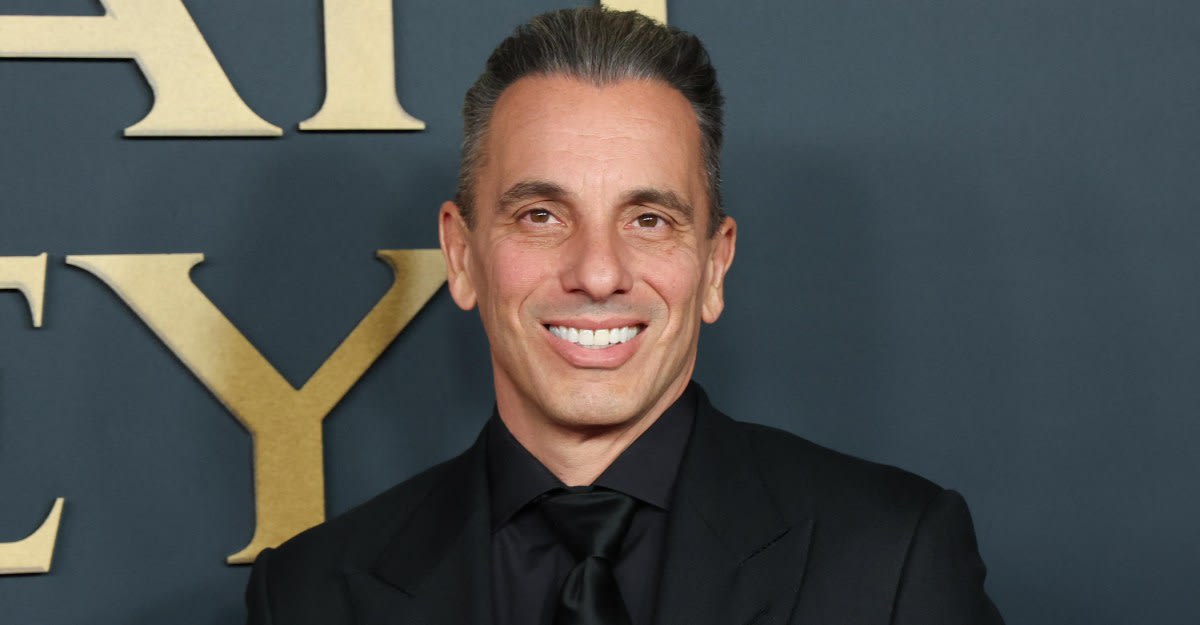
Sebastian Maniscalco is facing criticism from fellow comedians over the curation of his SiriusXM channel. Peers like Patton Oswalt and Margaret Cho argue the station should prioritize emerging talent rather than focusing primarily on established names.
The Controversy Surrounding Sebastian Maniscalco’s SiriusXM Channel
The Shift in Comedy Curation
Comedian Sebastian Maniscalco, a titan in the modern stand-up circuit, has found himself at the center of a growing industry debate following the launch of his dedicated SiriusXM channel, 'Sebastian Maniscalco’s Comedy Radio.' Launched in April, the channel was designed to be curated and headlined by Maniscalco himself. However, this transition has sparked a significant backlash from within the comedy community, as many feel the new format undermines the legacy of the platform's predecessor, the 'Raw Dog Comedy' channel.
The Case for Emerging Talent
Critics, including prominent voices such as Patton Oswalt and Margaret Cho, have taken to social media to voice their concerns. The core of their argument is that the channel’s current focus on well-known acts—often centered around Maniscalco’s own brand—neglects the essential ecosystem of up-and-coming talent. Historically, platforms like Raw Dog served as a critical launchpad for burgeoning comics to gain national exposure. By shifting the focus away from discovery, detractors argue that SiriusXM is creating a bottleneck that restricts the growth of the next generation of performers.
The Economics of Streaming and Comedy
This conflict highlights the broader tension between artist-branded content and meritocratic curation in the digital age. In the streaming era, platforms often leverage the star power of established celebrities to drive subscriptions. While this strategy is effective for immediate audience retention, it often comes at the expense of variety. The demand from comics like Cho and Oswalt suggests a desire for a more balanced model—one where high-profile celebrity branding does not entirely eclipse the discovery-based mission of satellite radio.
Impact on the Comedy Ecosystem
For decades, comedy radio has been an indispensable tool for comedians seeking to break out of local club scenes and reach a wider audience. If established channels prioritize their eponymous hosts or famous friends, the 'middle class' of comedy—the working comics who rely on these platforms for career advancement—may find themselves without a vital megaphone. This potential loss of visibility could have long-term implications for the diversity and breadth of the comedic landscape.
Future Trends and Potential Resolution
As SiriusXM navigates this criticism, the company may need to re-evaluate the balance of its programming. The public pressure from industry veterans suggests that the audience values a hybrid approach: one that keeps the star power of a Sebastian Maniscalco while reserving dedicated slots for the 'raw' talent that defined the channel's history. Whether Maniscalco will adjust his curation strategy to accommodate these calls remains to be seen, but the situation serves as a bellwether for how artist-led digital platforms will be expected to balance commercial interests with their responsibility to the broader creative community.