Semincon India 2026: Road to semiconductor self-reliance
Source Entity
Latest News: Todays Latest News Headlines from India & World | Hindustan Times | Hindustan Times
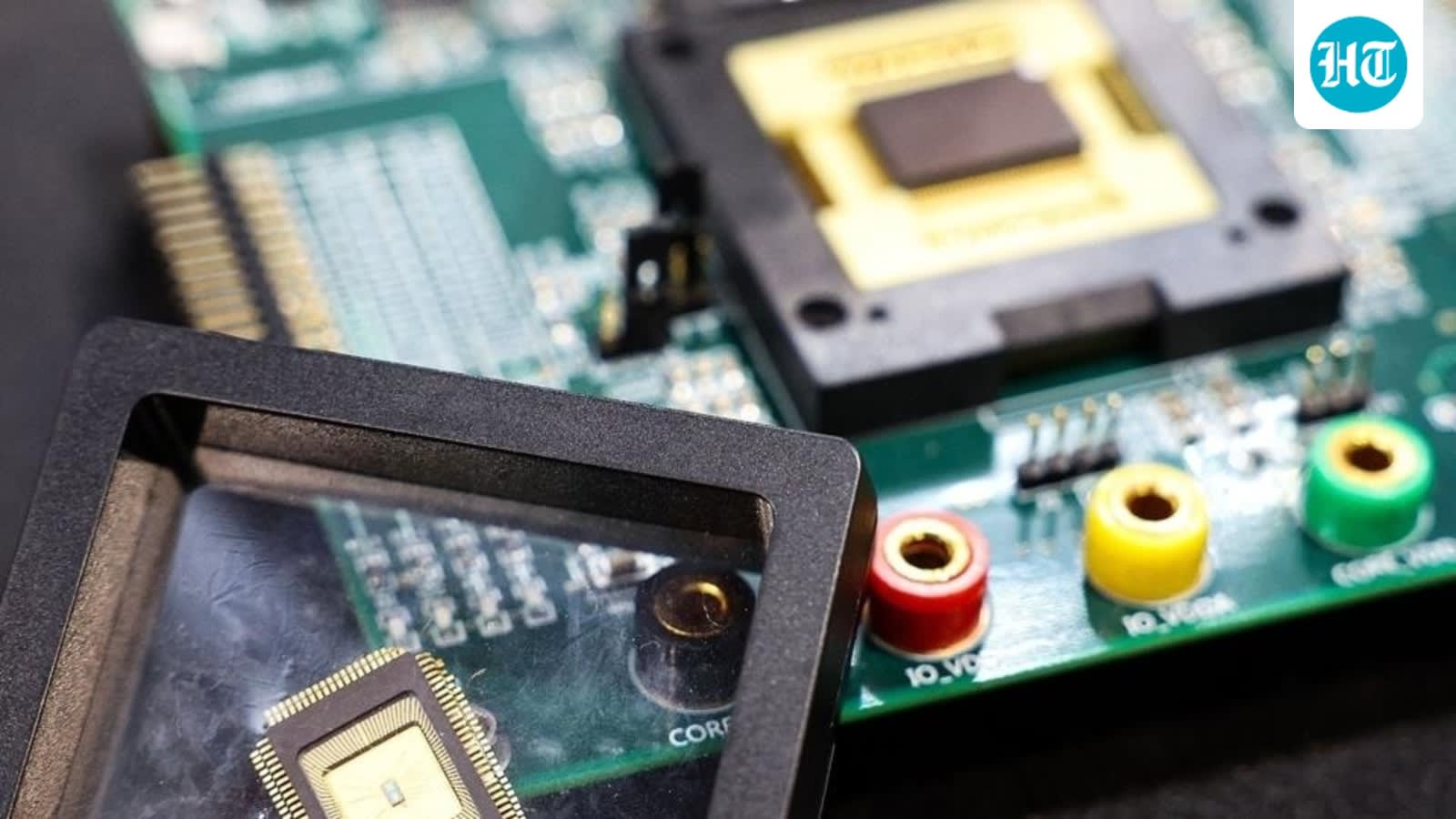
India is advancing its semiconductor ambitions by hosting the fifth edition of Semicon India in September 2026. The event marks a strategic shift from initial investment attraction to scaling domestic manufacturing for critical global industries.
India’s Strategic Leap Toward Semiconductor Sovereignty
As the global geopolitical landscape shifts, the semiconductor industry has emerged as the most critical theater of strategic competition. New Delhi’s decision to host the fifth edition of Semicon India from September 17 to 19, 2026, serves as a definitive signal of the nation’s intent to secure its place in the global supply chain. This event is not merely a conference; it represents a pivotal transition for India’s industrial policy, marking the movement from early-stage ecosystem development to the scaling of high-tech manufacturing capabilities.
The Strategic Importance of Silicon
Semiconductors represent the foundational architecture of the modern age. As noted by researcher Janvi Singhi, these components serve as the backbone for transformative sectors including Artificial Intelligence (AI), advanced telecommunications, and automotive engineering. Furthermore, the reliance of national security assets—such as satellites, missile systems, and radar technology—on these chips underscores why semiconductor self-reliance is now a pillar of India’s strategic autonomy and economic resilience.
Building on the India Semiconductor Mission
The current momentum follows the initial phase of the India Semiconductor Mission, which successfully acted as a catalyst for foreign and domestic investment. By securing approval for 12 manufacturing projects across six states, the government has established a geographic and industrial footprint that signals stability to global players. This early success has provided the necessary infrastructure to move beyond simple assembly and into more complex fabrication processes.
Scaling for the Future
Transitioning into this advanced phase requires more than just capital; it requires sustained policy continuity and the integration of India’s workforce into global value chains. The upcoming Semicon India 2026 will likely focus on addressing the challenges of scaling these approved projects to full operational capacity. The focus is shifting toward creating a robust domestic ecosystem that can support the high precision requirements of the automotive and drone sectors, which are increasingly driving demand for localized chip production.
Broader Implications and Long-Term Trends
The push for semiconductor self-reliance is a direct response to global supply chain vulnerabilities that were exposed in recent years. By positioning itself as a reliable alternative hub, India is aiming to mitigate risks associated with over-concentration in traditional manufacturing centers. Looking ahead, the success of these 12 initial projects will likely dictate the pace of future FDI inflows and domestic innovation cycles, potentially turning India into a net exporter of high-end silicon components in the coming decade.
Conclusion
Semicon India 2026 stands as a testament to the maturation of India’s tech ambitions. By aligning government incentives with strategic industrial needs, the nation is moving from the planning phase to tangible, large-scale production. As these manufacturing projects come online, the broader impact on India’s technological sovereignty will be profound, cementing its role as a key player in the global semiconductor race.
Verification Required?