Senate passes BAAJA permitting reform bill backed by AI, energy sectors
Source Entity
US Top News and Analysis
The U.S. Senate has passed the Bipartisan American Affordability and Jobs Act of 2026 to accelerate energy and infrastructure permitting. The bill, which passed 62-33, now moves to the House to potentially lower energy costs through regulatory reform.
Senate Advances BAAJA: A Landmark Shift in Infrastructure Policy
The U.S. Senate has taken a significant legislative step by passing the Bipartisan American Affordability and Jobs Act (BAAJA) of 2026 with a 62-33 vote. This legislation represents a pivotal effort to overhaul the nation's environmental permitting landscape and modernize electrical transmission regulations. By streamlining the bureaucratic processes that have historically delayed infrastructure projects, the bill seeks to provide a faster pathway for the energy and technology sectors to expand their physical footprints.
Balancing Economic Growth and Environmental Oversight
At its core, the BAAJA aims to address the rising costs of energy for consumers by removing regulatory friction. However, this progress comes at a cost, as the legislation includes provisions that weaken certain environmental protections to expedite the permitting process. This trade-off highlights a recurring tension in modern governance: the desire to accelerate economic development versus the necessity of maintaining rigorous environmental standards. The passage of this bill suggests that lawmakers are increasingly prioritizing rapid grid expansion and energy security over the current status quo of environmental oversight.
Political Realignment and Legislative Hurdles
The voting margin of 62-33 indicates a notable level of cross-party consensus, though the bill still managed to split the Democratic caucus. This internal divide is particularly significant given that Democrats recently secured majorities in both chambers of Congress following the midterm elections. While the bill has successfully navigated the Senate, it now faces the rigorous challenge of the House of Representatives. Its success there is a prerequisite for reaching President Trump’s desk, where it would mark a major legislative win for his administration.
Impact on the Energy and Technology Sectors
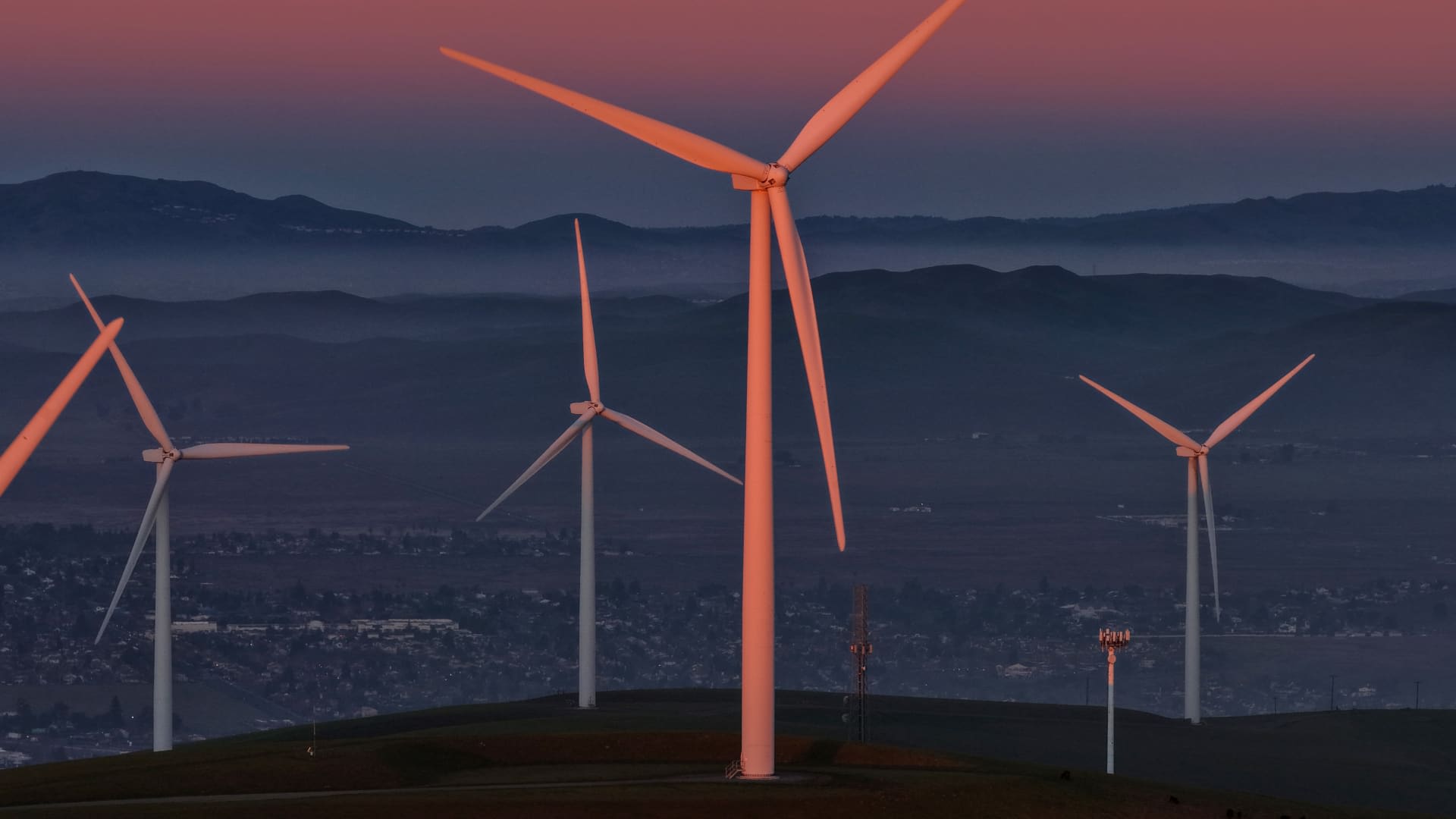
The energy and technology industries have been the primary advocates for this reform. As AI development continues to drive unprecedented demand for electricity, the ability to build and upgrade transmission lines becomes a critical bottleneck. By facilitating the construction of infrastructure—similar to the wind energy projects seen at the Altamont Pass—the BAAJA intends to ensure that the grid can keep pace with the massive power requirements of modern computing and clean energy initiatives.
Future Trends and Outlook
If signed into law, the BAAJA could fundamentally alter the speed at which the United States develops its energy infrastructure. Experts anticipate that the reduction in permitting timelines will lead to a surge in construction projects across the country. However, the long-term success of this policy will likely be measured by whether the promised reduction in energy costs materializes for the average consumer, and whether the compromise on environmental regulations leads to public pushback or unforeseen ecological consequences.
Conclusion
The Senate's passage of the BAAJA is a clear signal that federal policy is shifting toward an 'all-of-the-above' approach to infrastructure development. As the bill moves to the House, the focus will shift to whether the momentum generated in the Senate can survive the more contentious legislative environment of the lower chamber. The outcome will likely define the energy and regulatory landscape for the remainder of the decade.