Moose Wala killing to Ambala blast: The long terror trail of ISI proxy Shahzad Bhatti
Source Entity
SIDDHI DHARMADHIKARI
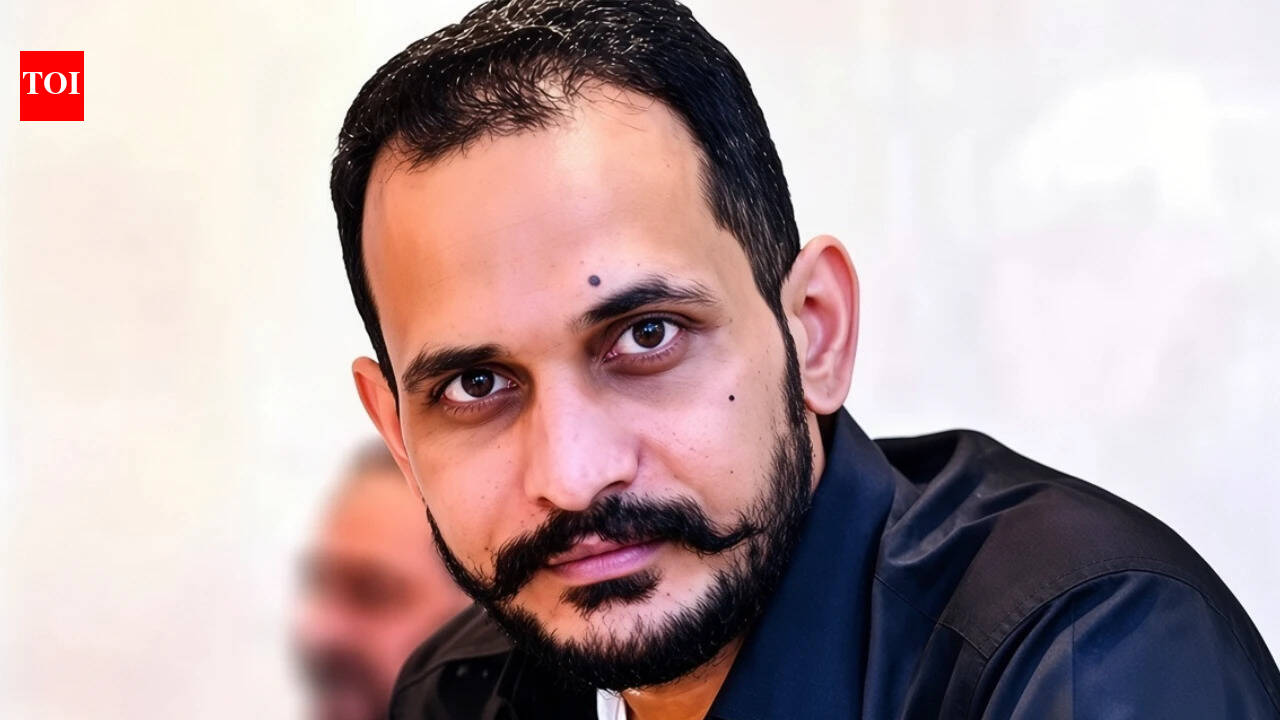
The Indian government has officially designated the Pakistan-based Shahzad Bhatti Network as a terrorist organization under the UAPA. The network is accused of orchestrating cross-border smuggling, recruiting Indian youth for terrorism, and involvement in high-profile crimes like the Sidhu Moose Wala murder.
The Designation of the Shahzad Bhatti Network: A Shift in Counter-Terror Strategy
The Indian Ministry of Home Affairs (MHA) has officially declared the Pakistan-based Shahzad Bhatti Network (SBN) a terrorist organization under the Unlawful Activities (Prevention) Act (UAPA). This decisive action follows an extensive multi-state crackdown on the syndicate, which authorities identify as a critical proxy for Pakistan's Inter-Services Intelligence (ISI). By utilizing the stringent provisions of the UAPA, the government aims to dismantle the infrastructure of a network that has evolved from local criminal operations into a sophisticated vehicle for 'hybrid terrorism.'
The Mechanics of Hybrid Terrorism
At the core of the SBN’s operations is a model designed to destabilize India’s internal security by blurring the lines between organized crime and state-sponsored terror. The network is accused of establishing a robust supply chain for the cross-border smuggling of arms, explosives, and narcotics. By leveraging these illicit goods, the SBN has managed to infiltrate local criminal ecosystems, effectively turning petty criminals and unemployed youth into operatives. This recruitment strategy, heavily reliant on social media platforms, poses a significant challenge to national security agencies tasked with monitoring digital radicalization.
The Sidhu Moose Wala Connection and Criminal Trajectory
Perhaps the most high-profile allegation linking the SBN to domestic instability is the 2022 murder of Punjabi singer Sidhu Moose Wala. Investigations suggest that the network played a pivotal role in facilitating the logistics for such high-stakes violence. By connecting international handlers to domestic shooters, the SBN demonstrates the dangerous potential of cross-border syndicates to execute targeted killings that disrupt the social and cultural fabric of the nation.
Targeting India’s Communal and Democratic Fabric
The MHA’s notification explicitly highlights that the SBN’s objectives extend beyond simple smuggling. The syndicate has been accused of disseminating hateful digital content specifically designed to incite communal discord and undermine India's democratic institutions. By weaponizing information and exploiting the vulnerability of marginalized or disenchanted youth, the network seeks to create an environment of fear and instability that aligns with the broader strategic interests of its handlers across the border.
Future Trends and Security Implications
The formal banning of the Shahzad Bhatti Network signifies a tightening of the legal and operational noose around entities that use criminal proxies to conduct warfare. As the government continues to leverage the UAPA to freeze assets and pursue members of such networks, the focus will likely shift toward stronger international cooperation to address the safe havens provided to these individuals in neighboring countries. The successful dismantling of the SBN will serve as a test case for India’s ability to neutralize hybrid threats that combine the lethality of terrorism with the reach of organized crime.
Multiple Citing Sources