Shiv Sena minister targets Aamir Khan over 3rd marriage: ‘Can be love jihad ambassador’
Source Entity
The Indian Express
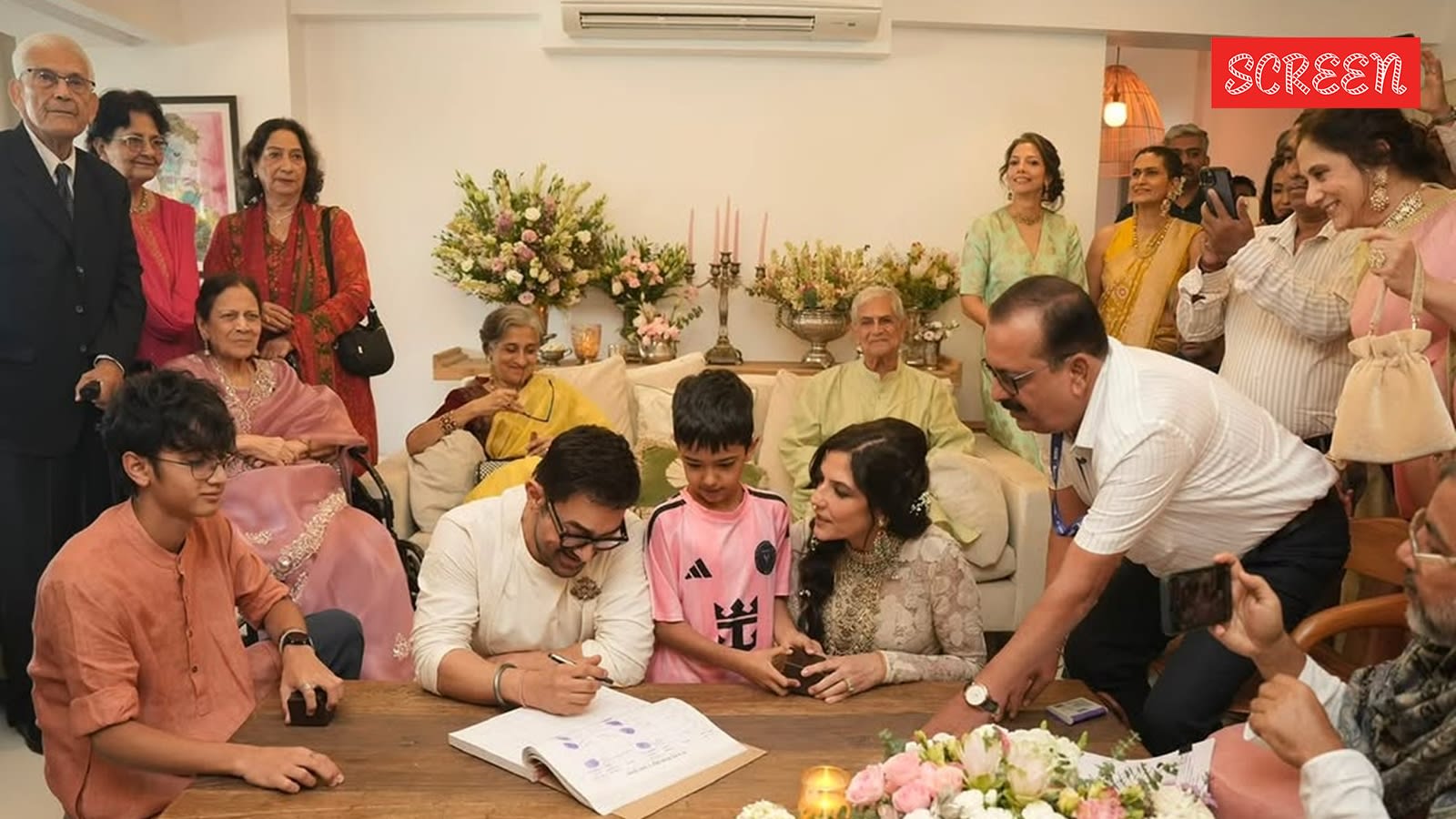
Nitesh Rane had wondered whether Khan's latest marriage should be viewed as an example of "love jihad". Shiv Sena leader Sanjay Shirsat on Monday became the second Maharashtra minister to target Aami...
Political Weaponization of Celebrity Personal Lives
The recent public statements by Maharashtra ministers Nitesh Rane and Sanjay Shirsat against Bollywood superstar Aamir Khan highlight a recurring pattern of political friction between regional power players and the Indian entertainment industry. By questioning Khan's personal life—specifically reports regarding a third marriage—and framing it through the lens of "love jihad," these leaders are leveraging a highly polarized social narrative to gain political traction. This incident is not merely a comment on a celebrity's marital status but a strategic deployment of identity politics intended to signal ideological purity to a specific constituency.
The 'Love Jihad' Narrative and Its Implications
The use of the term "love jihad" by Nitesh Rane represents a significant escalation in rhetoric. In the contemporary Indian socio-political landscape, "love jihad" is a term used by right-wing groups to describe an alleged conspiracy where Muslim men target non-Muslim women for conversion through marriage. By applying this label to Aamir Khan's private life, the ministers are attempting to transform a personal matter into a communal issue. This framing serves to mobilize a specific voter base by painting the actor not just as a celebrity, but as a symbolic "ambassador" for a perceived threat to cultural and religious traditionalism.
Shiv Sena's History of Cultural Policing
The Shiv Sena, particularly the factions aligned with nationalist ideologies, has a long-standing history of policing the cultural output and personal conduct of Bollywood figures. From demanding the removal of perceived offensive content in cinema to protesting against actors who express political dissent, the party often positions itself as the guardian of traditional and regional values. Targeting Aamir Khan, who has frequently been a lightning rod for controversy due to his outspoken views on social issues, fits perfectly into this established playbook of cultural nationalism and moral policing.
Aamir Khan as a Recurring Target
It is critical to note that Aamir Khan is not a random target; he has been under the scrutiny of right-wing critics for several years. Whether it was his past comments on intolerance in India or his choice of film subjects, Khan often finds himself at odds with the dominant nationalist narrative. By attacking him over his marriage, the ministers are tapping into existing prejudices and a pre-established public image of Khan as a "liberal" or a figure who deviates from traditionalist norms, thereby amplifying the impact of their inflammatory rhetoric.
The Erosion of Privacy and Freedom of Expression
This event underscores a worrying trend where the private lives of public figures are weaponized for political gain. When government ministers use their platforms to speculate on the motives behind a citizen's marriage, it blurs the line between governance and targeted harassment. Such actions create a chilling effect on the entertainment industry, where artists may feel pressured to conform to specific political expectations or maintain a sterile public persona to avoid state-sponsored scrutiny or public vilification.
Future Trends in Cinema-Politics Intersection
Looking forward, this incident suggests that the intersection of cinema and politics in India will remain volatile. As electoral cycles approach, the "celebrity target" strategy remains an effective tool for political parties to signal their commitment to a specific ideological agenda. We can expect an increase in instances where personal milestones—such as marriages, travel, or family decisions—are interpreted through a communal or nationalist lens to maintain a state of perpetual cultural conflict and political mobilization.
Conclusion
In summary, the attacks on Aamir Khan by Nitesh Rane and Sanjay Shirsat are emblematic of a broader strategy to merge celebrity gossip with communal politics. By framing a private marriage as a political act, the Shiv Sena leaders have once again highlighted the fragile and often adversarial relationship between the creative community and the political establishment in Maharashtra. The incident serves as a stark reminder of how personal identity and private choices are increasingly becoming battlegrounds for ideological warfare in the public sphere.