Shreyas Iyer joins unwanted list after seventh straight defeat as India captain
Source Entity
TOI SPORTS DESK
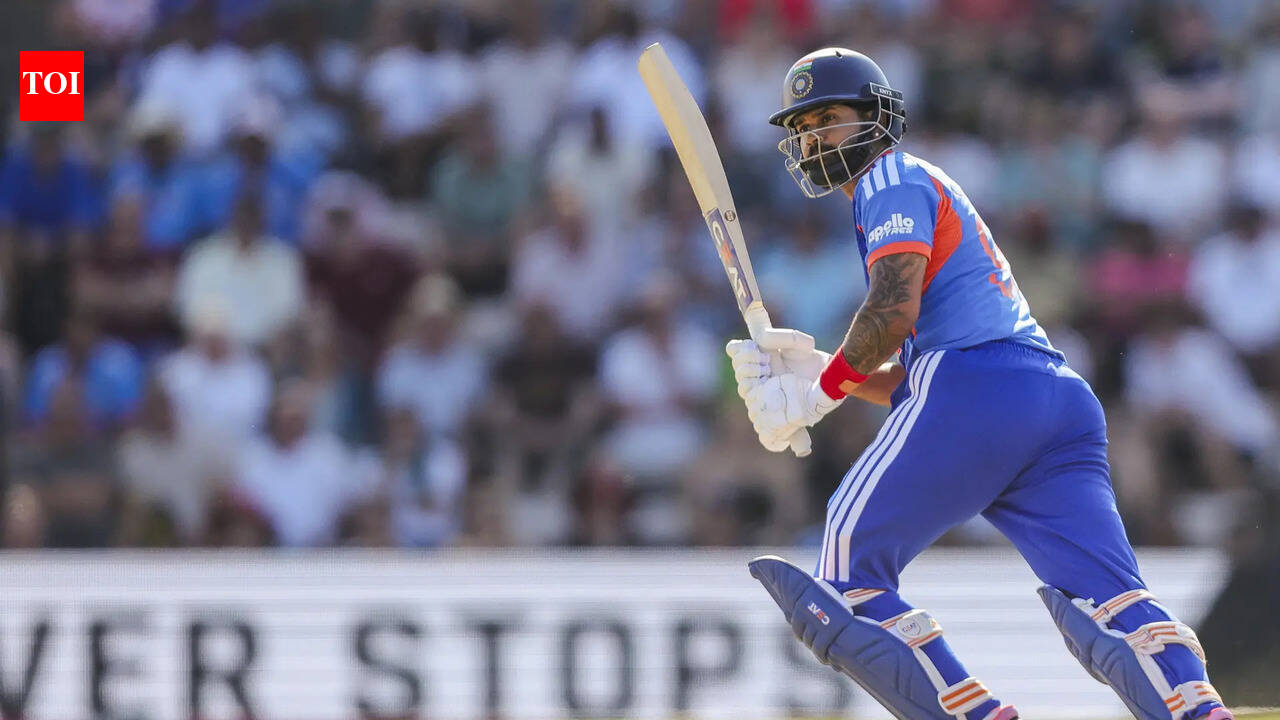
Shreyas Iyer's captaincy saw another loss as England secured a dominant series victory. England posted a massive 257 runs, powered by Buttler and Brook's record partnership. India's bowlers struggled significantly throughout the entire innings. Chasing a large target, India's batting showed some fight but fell short. This defeat ended India's long reign at the top of T20I rankings.
The Fall of a Giant: India's T20I Ranking Collapse
India's dominance in the shortest format of the game has suffered a catastrophic blow. The recent defeat to England is not merely a loss in a series but a symbolic end to an era of supremacy, as India has officially been stripped of its long-held position at the top of the T20I rankings. This collapse is the culmination of a series of tactical failures and a struggle to adapt to the modern, hyper-aggressive style of T20 cricket that England has perfected. The loss of the number one spot serves as a wake-up call for the Indian cricketing establishment, signaling that the gap between India and the rest of the world is closing rapidly.
A Captaincy in Crisis: The Shreyas Iyer Dilemma
At the center of this storm is Shreyas Iyer, who has now entered an "unwanted list" after suffering his seventh consecutive defeat as captain. While Iyer has been a formidable batter in his own right, his leadership has come under intense scrutiny. Seven straight losses suggest a systemic failure in game management and an inability to make the decisive tactical shifts required to stem the flow of runs. The psychological burden of a losing streak of this magnitude often permeates the entire squad, leading to a lack of confidence in the field and a hesitant approach in high-pressure situations. The question now looms large: whether the current leadership is capable of steering the team back to the summit or if a fundamental change in captaincy is required.
England's Dominance and the Bowling Breakdown
England's victory was defined by a ruthless offensive display, posting a staggering 257 runs. The cornerstone of this massive total was a record-breaking partnership between Jos Buttler and Harry Brook, who dismantled the Indian bowling attack with surgical precision. India's bowlers, typically known for their discipline and variety, appeared completely lost, struggling to find a length or a line that could stifle the English batters. This failure highlights a critical vulnerability in India's current bowling strategy—an inability to contain elite power-hitters when the momentum swings in the opposition's favor. The lack of breakthroughs during the middle overs allowed England to accelerate to a total that was essentially insurmountable.
Resilience Amidst Failure: The Batting Effort
Despite the overwhelming pressure of chasing a 257-run target, the Indian batting lineup showed glimpses of fight. While they ultimately fell short, the effort indicated that the team's fighting spirit remains intact. However, the gap between a "fighting effort" and a "winning effort" in T20 cricket is determined by clinical execution and calculated risk-taking. India's chase lacked the necessary explosive start to keep pace with the required run rate, forcing the middle order into high-risk shots that eventually led to their downfall. This disconnect between the bowling unit's collapse and the batting unit's belated resistance points to a lack of cohesive team synergy under Iyer's captaincy.
Broader Implications and Future Trends
This result is likely to trigger a period of introspection within the Indian camp. Historically, India has relied on a blend of spin dominance and top-order stability, but England's aggressive blueprint proves that pure power and fearless intent can override traditional tactics. Moving forward, India must evolve its bowling rotations and perhaps integrate more versatile death-bowling options to avoid such collapses. Furthermore, the loss of the T20I ranking will impact India's seeding in upcoming global tournaments, potentially forcing them into tougher matchups earlier in the competition.
Conclusion: The Path to Redemption
In summary, India's descent from the T20I top spot is a multifaceted failure involving leadership struggles, bowling inadequacies, and a tactical mismatch against a rampant England side. Shreyas Iyer's winless streak as captain is the most glaring statistic, but the broader issue is a failure to evolve with the game's changing dynamics. To reclaim their throne, India must address the leadership void and modernize their bowling approach to match the aggression of teams like England. The road to redemption will be long, requiring both structural changes and a psychological reset for the players.