Siachen Ultra: Why fitness alone won't be enough to conquer Ladakh's 180-km race
Source Entity
Latest News: Todays Latest News Headlines from India & World | Hindustan Times
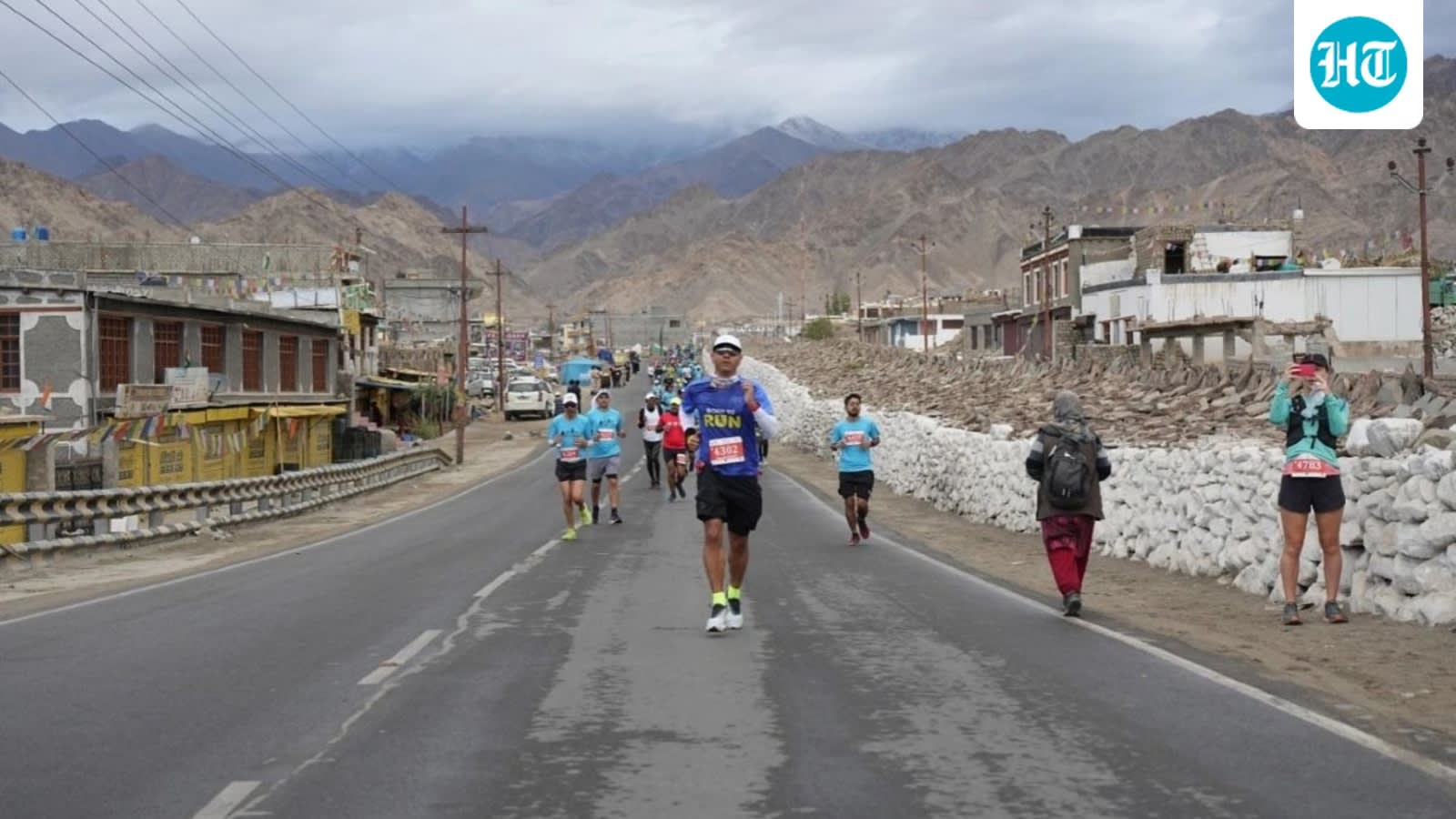
The newly announced 180-km Siachen Ultra represents a significant escalation in difficulty over the Silk Route Ultra. With a grueling 30-hour cutoff and strict selection criteria, the race challenges athletes to navigate extreme altitude and heat in Ladakh.
The Ultimate Endurance Test: Analyzing the Siachen Ultra
The introduction of the 180-km Siachen Ultra marks a significant evolution in the landscape of high-altitude endurance sports. By pushing the boundaries of the existing 122-km Silk Route Ultra, organizers have created a race that is not merely an extension of distance, but a fundamental shift in the physical and mental requirements for participants. The addition of 58 km to the already demanding Silk Route course necessitates a level of preparation that transcends traditional cardiovascular fitness.
Environmental Extremes and Human Physiology
One of the most daunting aspects of the Siachen Ultra is the terrain and climate of the Nubra Valley. Runners are expected to combat intense daytime heat while managing the physiological stresses associated with high-altitude environments. At these elevations, oxygen levels are significantly lower, forcing the human body to operate under extreme hypoxic stress. The combination of thermal regulation issues and reduced aerobic capacity makes this event a unique challenge that few other global ultra-marathons can replicate.
Exclusive Standards and Selective Participation
Given the extreme nature of the 180-km distance and the 30-hour strict cut-off time, the organizers have implemented a highly selective entry process. Rather than opening registration to the general public, the event acts as an elite summit for the ultra-running community. By prioritizing those who have already conquered the 122-km Silk Route Ultra or possess equivalent experience in high-stakes mountain races, the organizers are ensuring that only those with a proven track record of managing extreme fatigue and environmental hazards participate.
The Logistics of a 30-Hour Cut-off
A 30-hour window for a 180-km race requires an average pace that is exceptionally difficult to maintain when factoring in the elevation gain and the unpredictable nature of the Ladakh climate. This cutoff is a strategic move, designed to filter out those who are not prepared for the relentless pace required to survive the course. It transforms the race from a test of completion into a high-intensity battle against the clock, where every minute spent stationary is a potential forfeiture of the race.
Future Implications for Ultra-Running
The Siachen Ultra sets a new precedent for race design in India and potentially globally. By leveraging the unique geography of the Ladakh region, the event positions itself as a premier destination for world-class athletes seeking the ultimate challenge. As interest in extreme endurance sports continues to grow, we can expect this event to influence how future races are structured, specifically in how they integrate rigorous vetting processes with extreme environmental conditions to ensure athlete safety while maintaining competitive integrity.
Conclusion
In summary, the Siachen Ultra is far more than a long-distance run; it is a clinical test of human resilience. The synergy of extreme distance, harsh environmental factors, and a tight 30-hour window creates a perfect storm for athletes. For those who succeed, it will represent the pinnacle of their careers, cementing their status within the global ultra-running community.
Verification Required?