Silver prices today, Monday, July 13, 2026: Silver prices falling after latest airstrikes on Iran
Source Entity
Yahoo Finance
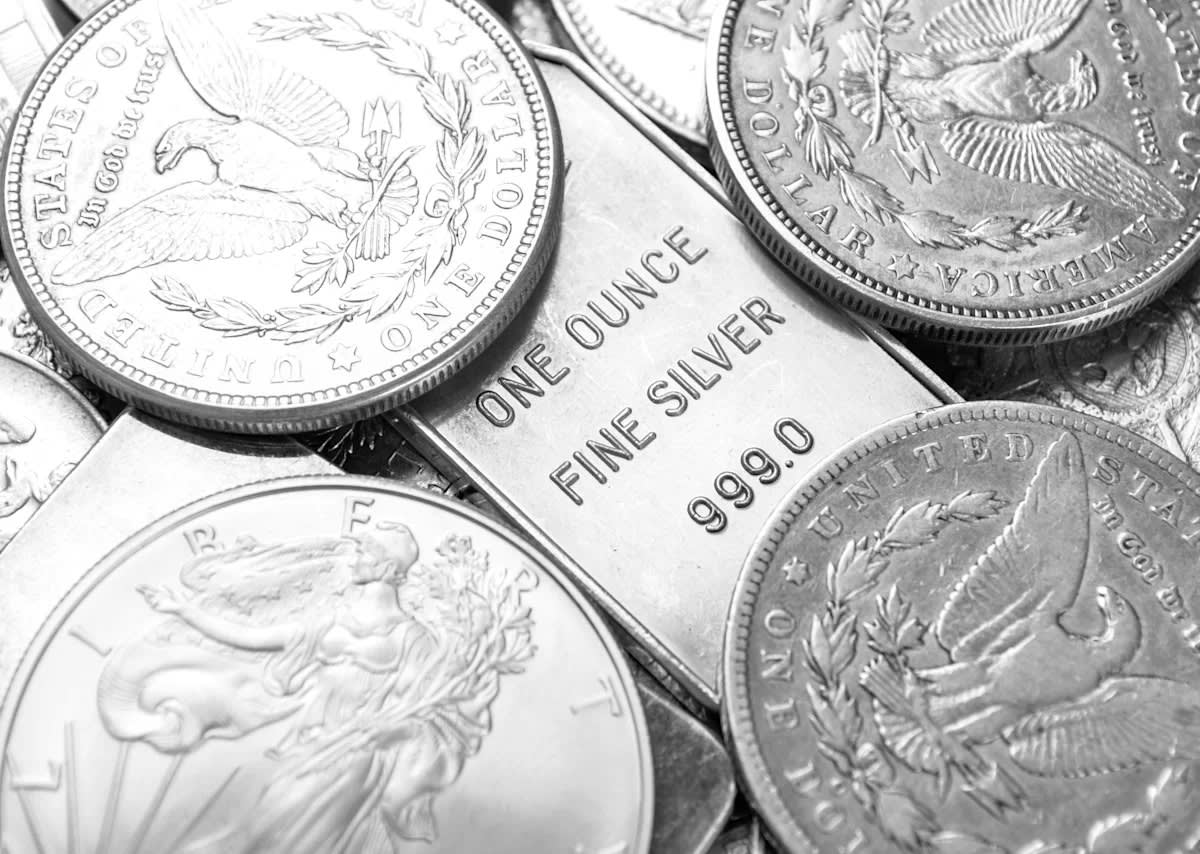
Silver (SI=F) September futures opened at $59.71 per ounce on Monday, July 13, 2026, 0.8% lower than Friday's closing price of $60.17. The price of silver fell even further this morning, reaching $58....
Market Volatility: Silver Prices Retreat Amid Middle East Escalation
On Monday, July 13, 2026, the precious metals market reacted sharply to escalating geopolitical tensions in the Middle East. Following reports of airstrikes on Iran, silver prices saw a notable decline, with September futures (SI=F) opening at $59.71 per ounce—a 0.8% drop from the previous Friday's closing price of $60.17. The downward momentum accelerated throughout the morning, with prices sliding further to hit the $58 mark. This movement indicates a high level of market sensitivity to the unfolding conflict, as investors rapidly recalibrate their portfolios in response to the sudden instability.
The Mechanics of the Price Decline
The drop from $60.17 to $58 represents more than just a routine fluctuation; it reflects a swift shift in investor sentiment. While precious metals are traditionally viewed as 'safe-haven' assets that rise during times of war, the immediate reaction here was the opposite. This phenomenon often occurs during the initial shock of a conflict when institutional investors trigger a 'flight to liquidity.' In such scenarios, traders sell off commodity positions to increase their cash holdings or cover margin calls in other more volatile sectors, such as energy or equities, which are often more directly impacted by Middle Eastern conflicts.
Geopolitical Catalysts and Market Psychology
The airstrikes on Iran have introduced a layer of unpredictability into the global economy. Iran's strategic position near the Strait of Hormuz means that any military escalation threatens the flow of global oil and gas. While this typically drives up energy prices, the broader economic fear is often a systemic shock or a global recession triggered by energy spikes. For silver, which occupies a unique space between a monetary asset and an industrial commodity, the fear of a global industrial slowdown can outweigh the desire for a safe haven. If investors anticipate that the conflict will disrupt international trade and manufacturing, the demand for silver in industrial applications may be projected to fall, driving prices downward.
Silver's Dual Nature: Investment vs. Industry
To understand this price action, one must analyze silver's dual role. Unlike gold, which is primarily a store of value, silver is critical for the production of photovoltaic (solar) panels, electronics, and automotive components. The current decline to $58 suggests that the market is pricing in the risk of disrupted supply chains or a contraction in industrial demand. As airstrikes create uncertainty in the region, the possibility of disrupted trade routes or economic sanctions could dampen the outlook for industrial growth, leading speculators to exit their long positions in silver futures.
Historical Context and Comparative Trends
Historically, commodity markets have shown erratic behavior during the onset of Middle Eastern conflicts. During previous periods of tension in the Persian Gulf, we have seen 'sawtooth' patterns where prices crash during the initial panic and then rally as the conflict stabilizes and inflation rises. The current dip in July 2026 mirrors these historical trends, where the immediate shock causes a sell-off, followed by a period of consolidation. The fact that silver was trading above $60 just days prior suggests that the market had reached a peak of optimism that was abruptly corrected by the reality of military intervention.
Future Outlook and Projections
Looking forward, the trajectory of silver prices will likely depend on the scale of the retaliation and the impact on oil markets. If the conflict escalates to a point where global inflation spikes due to energy shortages, silver may eventually rebound as a hedge against currency devaluation. However, in the short term, the slide to $58 may continue if the airstrikes lead to a broader regional war that freezes trade. Investors should watch the $55 support level closely; a breach of that level could signal a deeper bearish trend, while a stabilization at $58 could provide a base for a recovery once the geopolitical dust settles.
Conclusion
The decline in silver prices on July 13, 2026, serves as a stark reminder of the intricate link between geopolitical stability and commodity pricing. The drop from $60.17 to $58 highlights a market caught between the instinct to seek safety and the fear of industrial collapse. As the situation in Iran evolves, silver will remain a key indicator of the market's confidence in global economic resilience.