SK Hynix stock seesaws amid chip sector declines as AI trade angst returns
Source Entity
Yahoo Finance
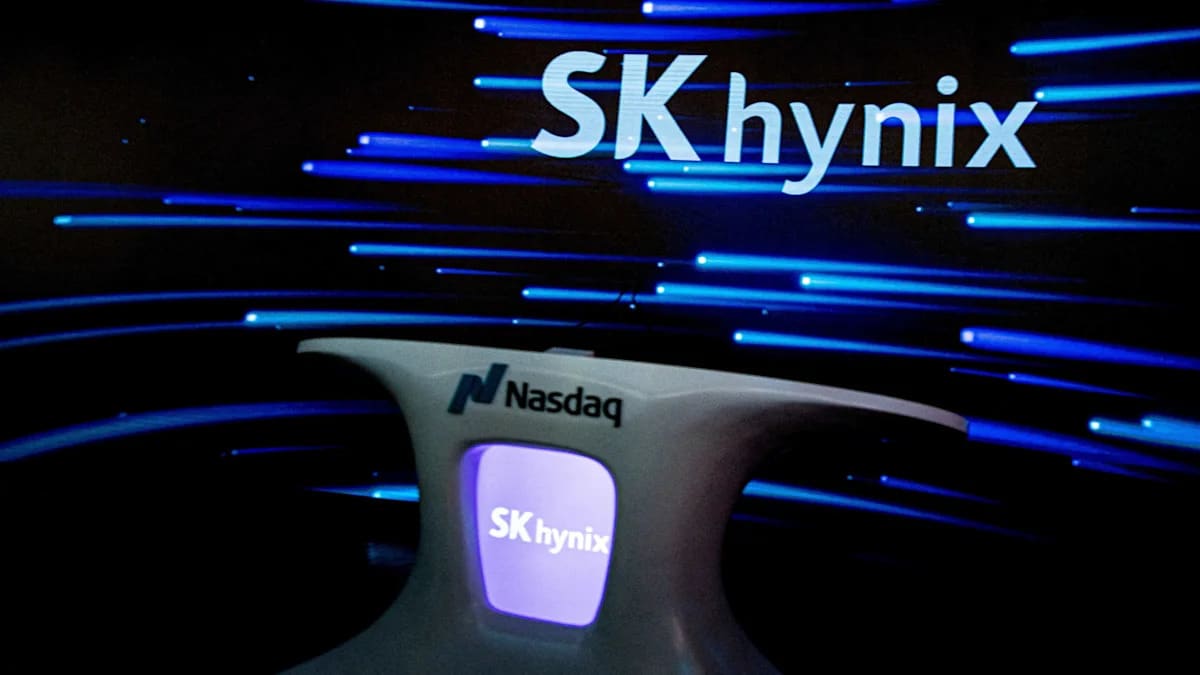
What happened: Chip stocks retreated on Monday as US-listed shares of South Korean memory maker SK Hynix (000660.KS, SKHY) declined 6%. What's behind the move: Investors took profits amid concerns of...
Market Correction: Analyzing the SK Hynix Decline and AI Trade Volatility
The recent 6% decline in US-listed shares of SK Hynix serves as a critical indicator of the current volatility surrounding the "AI trade." After a period of meteoric growth driven by the insatiable demand for High Bandwidth Memory (HBM), the stock's retreat suggests that investors are entering a phase of cautious re-evaluation. This movement is not an isolated incident but rather a reflection of broader sentiment within the semiconductor sector, where the initial euphoria surrounding generative AI is being met with a more disciplined, profit-taking approach by institutional investors.
The HBM Catalyst and the AI Euphoria
To understand this decline, one must look at the historical context of SK Hynix's recent surge. The company has positioned itself as a primary beneficiary of the AI revolution, specifically through its leadership in HBM3 and HBM3E technologies. As the primary supplier of memory for Nvidia's H100 and B200 GPUs, SK Hynix transitioned from a cyclical commodity memory maker to a specialized high-tech partner. This fundamental shift in the company's value proposition led to a rapid valuation expansion, making the stock highly sensitive to any perceived slowdown in AI infrastructure spending.
Deconstructing 'AI Trade Angst'
The "angst" mentioned in recent reports stems from a growing debate over the return on investment (ROI) for the massive capital expenditures flowing into AI data centers. While the hardware demand remains high, there is an emerging fear that the software layer—the applications and services that utilize these chips—is not monetizing fast enough to justify the current valuations. When investors begin to question whether the AI boom is a sustainable structural shift or a speculative bubble, high-beta stocks like SK Hynix are often the first to see significant sell-offs as traders lock in gains.
Sector-Wide Contagion and Market Dynamics
This downturn is part of a wider retreat across the chip sector. The semiconductor industry is notoriously cyclical, and the current synchronized decline across various US-listed chip shares indicates a systemic rotation of capital. As interest rates remain a focal point for global markets, high-growth tech stocks face increased pressure. The correlation between SK Hynix and the broader US chip indices suggests that the company is currently being traded as a proxy for the AI industry's health rather than on its individual operational merits alone.
Strategic Implications for the Semiconductor Supply Chain
From a strategic standpoint, this volatility underscores the precarious nature of the current AI supply chain. SK Hynix is heavily reliant on a small number of hyperscale customers and a single dominant GPU designer. While this concentration has led to record profits, it also creates a vulnerability: any guidance shift from the top of the AI food chain creates an immediate ripple effect. The current stock seesaw reflects the market's attempt to price in this concentration risk against the backdrop of long-term demand for AI memory.
Future Outlook and Predictions
Looking ahead, the trajectory of SK Hynix will likely depend on the successful rollout of next-generation HBM4 and the diversification of its customer base. While short-term volatility is expected to persist as the "AI trade" matures, the fundamental requirement for high-speed memory in AI workloads is unlikely to diminish. We can expect the stock to stabilize once there is clearer evidence of AI-driven revenue growth at the enterprise software level, which will reassure investors that the hardware demand is backed by genuine economic utility.
Summary
In conclusion, the 6% dip in SK Hynix is a classic market correction following an aggressive rally. While the "AI angst" creates short-term pressure, it represents a necessary maturation of the trade, moving from speculative hype toward a value-driven analysis of AI's long-term economic impact.