Skin tint vs foundation: Which one to choose as per skin type? Try these 4 top picks
Source Entity
Latest News: Today's Latest News Headlines from India & World | Hindustan Times | Hindustan Times
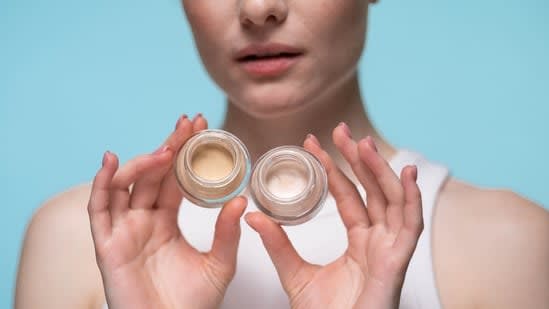
Confused between skin tints or foundation? Here is the difference between the two and top picks.
Navigating the Base Makeup Dilemma: Skin Tints vs. Foundations
In the modern beauty landscape, the choice of a base product is no longer just about covering imperfections but about aligning with a specific skin philosophy. The debate between skin tints and foundations represents a broader shift in the cosmetics industry—moving from the high-coverage 'masking' effect of the early 2000s toward a more transparent, 'skin-first' approach. For many consumers, the confusion stems from the overlapping marketing terms used by brands, making it essential to understand the structural and functional differences between these two categories of makeup.
The Architecture of Foundation: Maximum Correction
Foundations are engineered for those seeking a polished, uniform complexion. Historically, foundations were designed to provide a canvas for other makeup, offering high pigment loads that can conceal redness, hyperpigmentation, and acne. Depending on the formulation—whether liquid, cream, or powder—foundations provide a range of finishes from ultra-matte to luminous. The primary implication of using a foundation is the ability to completely alter the appearance of the skin's surface, which is ideal for formal events or for individuals with significant skin discoloration who require a high degree of opacity.
The Rise of Skin Tints: The Hybrid Approach
Conversely, skin tints are the vanguard of the 'no-makeup' makeup trend. Unlike foundations, skin tints are lightweight, sheer formulations that allow the natural texture and freckles of the skin to peek through while evening out the overall tone. Most modern skin tints are hybrid products, blending cosmetic pigments with skincare active ingredients such as hyaluronic acid, glycerin, or SPF. This evolution reflects a growing consumer demand for products that treat the skin while enhancing it, rather than simply covering it up, catering to a demographic that prioritizes a breathable, dewier finish over a flawless, airbrushed look.
Matching Product to Skin Type
Choosing between these two depends heavily on an individual's skin physiology. Those with oily or acne-prone skin often lean toward matte foundations to control sebum production and hide breakouts. However, the heavy nature of some foundations can occasionally clog pores if not formulated as non-comedogenic. For those with dry or sensitive skin, a skin tint is often the superior choice, as these products typically contain hydrating agents that prevent the makeup from clinging to dry patches. Combination skin users often find a middle ground, using a skin tint for daily wear and reserving foundation for areas requiring higher coverage, such as the T-zone.
Broader Industry Trends and Societal Shifts
The preference for skin tints over foundations is not merely a cosmetic choice but a reflection of the 'Clean Girl' aesthetic and a societal move toward authenticity. The beauty industry is seeing a decline in the demand for heavy, cakey finishes in favor of 'glass skin'—a trend originating from K-Beauty that emphasizes hydration and luminosity. This shift suggests that future product development will likely lean further into the 'skin-care infused' category, where the line between a serum and a base product becomes almost indistinguishable.
Conclusion: Making the Informed Choice
Ultimately, the decision between a skin tint and a foundation should be dictated by the desired outcome and the current state of one's skin. While foundations offer the power of transformation and correction, skin tints offer the luxury of lightness and health. By evaluating skin type and the specific needs of the occasion, users can optimize their routine to achieve a balance between aesthetic preference and dermatological health, ensuring that their base makeup supports rather than hinders their natural skin barrier.
Verification Required?