The Vitamin B12 supplement mistake many people make
Source Entity
The Indian Express
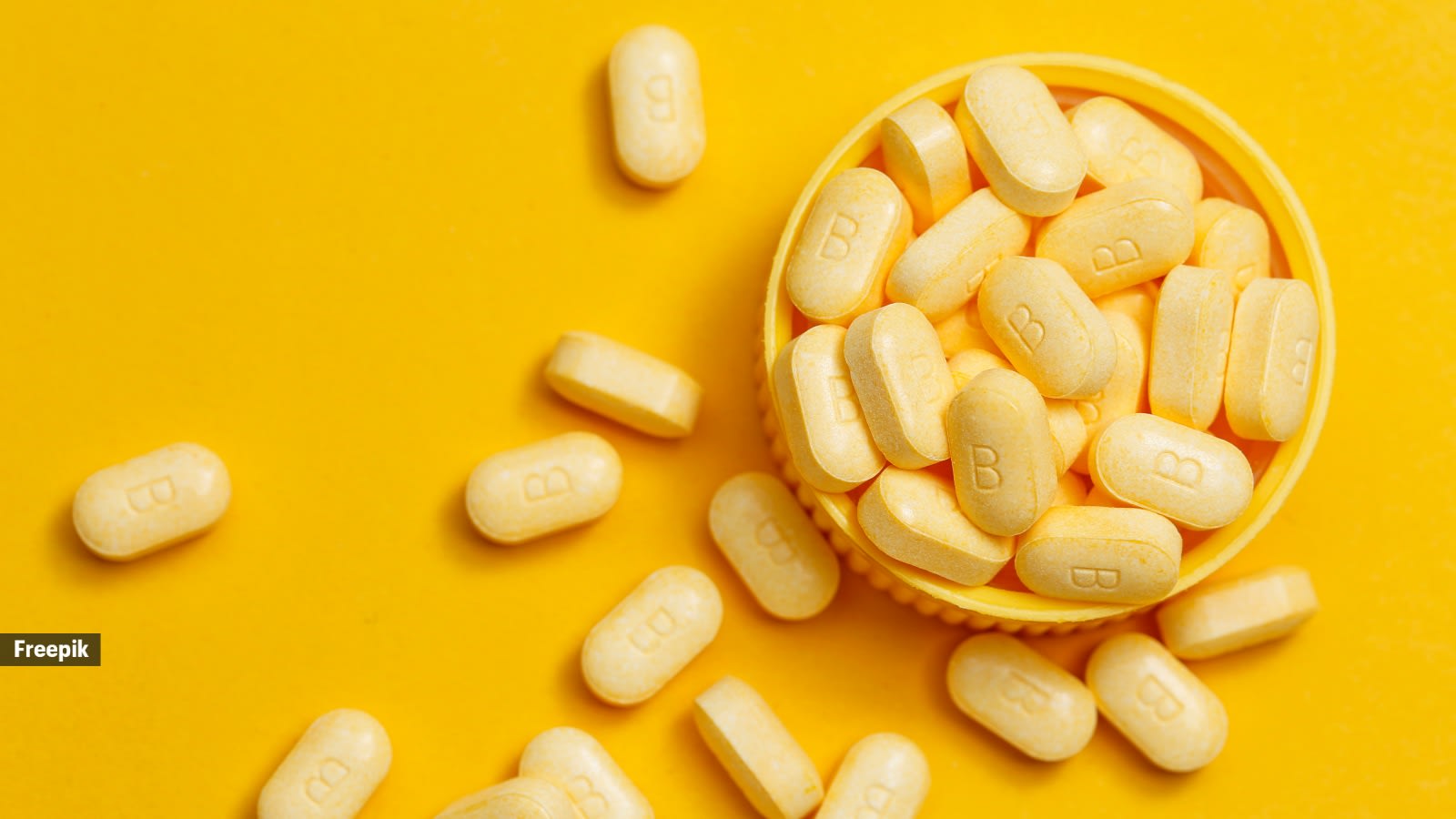
Which vitamin b12 supplement should you take? (Image: Freepik) Walk into a pharmacy or browse online for a vitamin B12 supplement, and you’re likely to come across two common options: methylcobalamin...
Understanding the Vitamin B12 Dilemma: Methylcobalamin vs. Cyanocobalamin
Vitamin B12, a water-soluble vitamin essential for neurological function, DNA production, and red blood cell formation, is one of the most frequently supplemented nutrients globally. However, as the provided text suggests, many consumers make a critical mistake: choosing a supplement based on brand recognition or price rather than the specific chemical form of the vitamin. The core of this issue lies in the distinction between the two most common forms found in pharmacies: methylcobalamin and cyanocobalamin.
The Chemistry of Choice: Synthetic vs. Bioactive
To understand the "mistake" mentioned in the report, one must first understand the biochemical difference between these two forms. Cyanocobalamin is a synthetic form of B12 that is highly stable and cost-effective to produce, making it the most common ingredient in generic multivitamins. While effective for many, it is not the form the body actually uses. In contrast, methylcobalamin is a coenzyme form of the vitamin that occurs naturally in the body. Because it is already in its "active" state, it does not require the same complex conversion process as its synthetic counterpart.
Absorption and Metabolic Efficiency
The broader implication of this choice involves how our bodies metabolize these substances. For the majority of the population, the liver can efficiently convert cyanocobalamin into methylcobalamin. However, a significant subset of the population—including those with certain genetic polymorphisms (such as MTHFR mutations) or those with compromised kidney function—may struggle with this conversion. For these individuals, taking cyanocobalamin can lead to a perceived deficiency even when supplement intake is high, because the body cannot unlock the vitamin's utility. This is where the "mistake" becomes a health risk, potentially leading to prolonged fatigue or cognitive fog despite supplementation.
High-Risk Groups and Nutritional Needs
Historically, B12 deficiency was primarily associated with pernicious anemia or severe malnutrition. In the modern era, the demographic at risk has expanded. Vegans and strict vegetarians are at the highest risk since B12 is found almost exclusively in animal products. Furthermore, the elderly often suffer from a lack of "intrinsic factor"—a protein in the stomach required for B12 absorption—due to decreased stomach acid. For these groups, the form of B12 is not just a preference but a necessity. Sublingual methylcobalamin, for instance, is often recommended for those with malabsorption issues as it bypasses some of the digestive hurdles.
The Trend Toward Personalized Nutrition
This debate reflects a larger trend in the health and wellness industry toward "biohacking" and personalized nutrition. Consumers are moving away from one-size-fits-all multivitamins and toward targeted supplementation. The shift toward methylcobalamin is driven by an increased public awareness of bioavailability. As nutritional science evolves, the industry is likely to see a decline in synthetic cyanocobalamin in favor of more bio-available forms, though the cost barrier remains a factor for many consumers.
Conclusion and Expert Recommendation
Ultimately, the mistake many people make is assuming all Vitamin B12 is created equal. While cyanocobalamin is a viable and stable option for the general population, those with specific dietary restrictions or genetic predispositions should prioritize methylcobalamin. To avoid the pitfalls of improper supplementation, it is imperative that individuals undergo blood tests—specifically checking serum B12 and methylmalonic acid (MMA) levels—and consult with a healthcare provider to determine which form aligns with their unique biological needs.