David Ellison says HBO will air critical Elon Musk documentary despite his $1B investment in Skydance
Source Entity
Aisha Malik
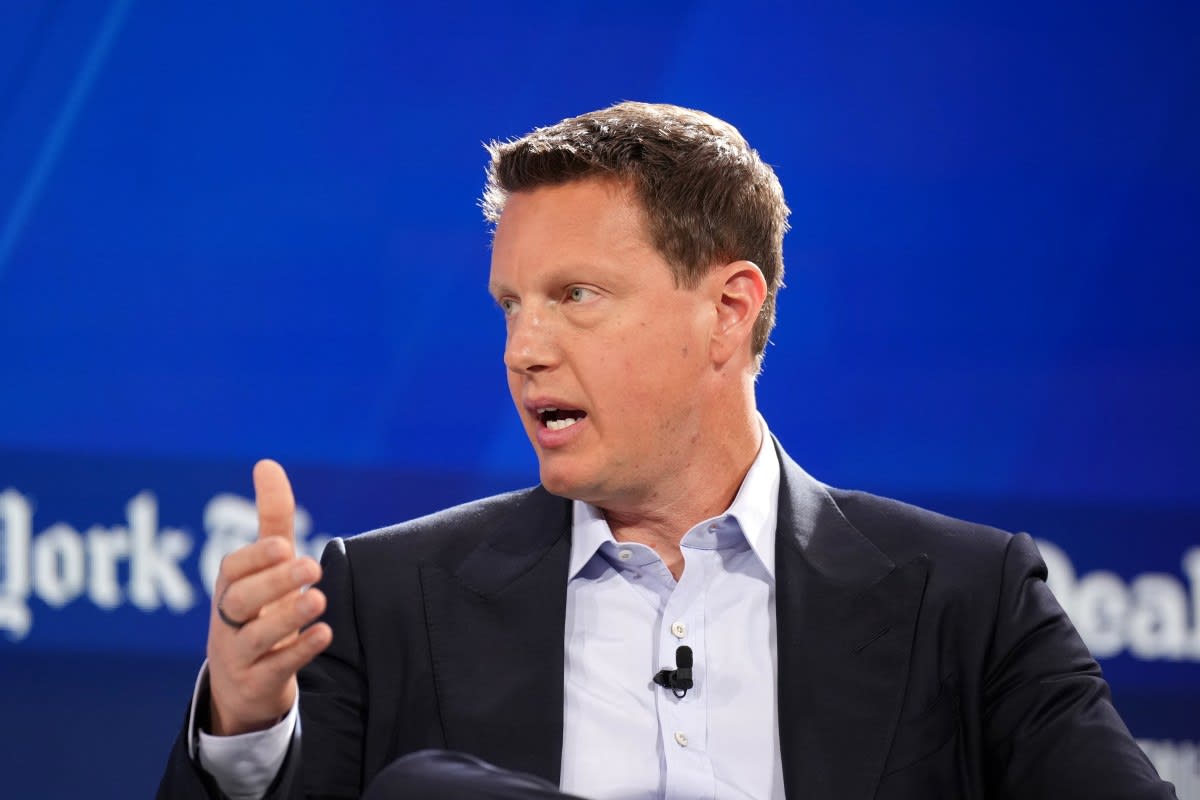
Skydance CEO David Ellison confirmed that HBO will proceed with airing a critical documentary about Elon Musk despite Musk's $1 billion investment in the company. Ellison emphasized a commitment to creative independence and contractual obligations with producer A24.
Upholding Editorial Integrity Amid Corporate Shifts
Recent reports confirm that Skydance CEO David Ellison has officially committed to airing the Alex Gibney-directed documentary focused on Elon Musk, despite the billionaire's recent $1 billion capital injection into the company. This decision addresses significant public and industry speculation regarding whether a major stakeholder could exert influence over sensitive media content. By confirming that the project will move forward as planned, Skydance is attempting to reassure both the public and creative partners that its editorial independence remains intact despite complex financial entanglements.
The Intersection of Investment and Content Control
The controversy stems from the inherent tension between corporate governance and journalistic freedom. When a high-profile figure like Elon Musk, who is frequently the subject of intense media scrutiny, becomes a primary investor in a parent entity, it raises fundamental questions about 'self-censorship.' In this instance, the investment follows the high-stakes merger involving Warner Bros. Discovery and Paramount, creating a massive media ecosystem where such conflicts of interest are increasingly common. Ellison's prompt response serves as a strategic maneuver to prevent a perception of compromised standards.
Contractual Obligations and Creative Partnerships
A critical element in this narrative is the role of A24, the production house behind the documentary. Ellison noted that Skydance maintains a 'pay-one deal' with the studio, which acts as a protective barrier for the content. By framing the decision as a simple matter of honoring a binding agreement, the CEO effectively depersonalizes the conflict. This approach highlights the importance of established distribution contracts in safeguarding independent journalism and documentary filmmaking from the volatile influence of corporate stakeholders.
Industry Precedents and Future Implications
The broader implications of this event point toward a growing trend in media ownership where the lines between financiers and editorial content are constantly tested. As media conglomerates consolidate, the pressure on executives to protect their benefactors will likely grow. However, Skydance’s public commitment to airing the film sets a precedent for how incoming investors should be managed. It suggests that for major studios, maintaining a reputation for objective content is a long-term asset that outweighs the short-term benefit of appeasing a single influential shareholder.
Conclusion: Maintaining the Standard of Independence
Ultimately, David Ellison’s firm stance reinforces the principle that creative output should remain insulated from the personal interests of an organization's financiers. While the $1 billion investment is a significant financial milestone for Skydance, the decision to prioritize the documentary's release signals a commitment to the 'independence' that Ellison claims to uphold. Moving forward, the industry will likely monitor how this relationship evolves, specifically watching for whether this standard of separation can be maintained as media landscapes continue to merge and concentrate.