Social Security should be shut down, this Republican senator says
Source Entity
Alessandra Malito
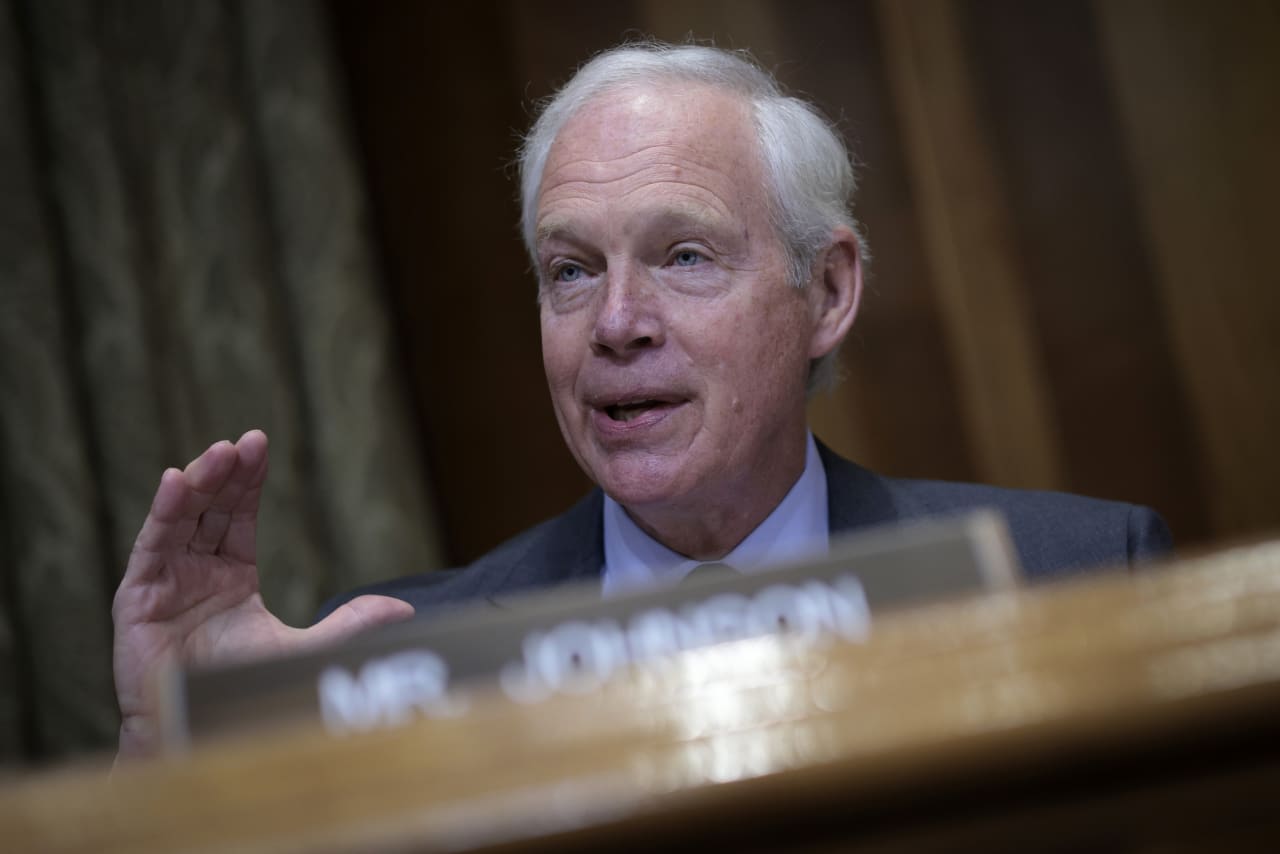
A Republican senator has suggested that the Social Security program should be shut down as it faces insolvency. The program's trust funds are projected to be depleted within the next six years.
The Future of Social Security: A Looming Fiscal Crisis
Recent discourse surrounding the financial viability of the United States Social Security program has reached a critical juncture. A Republican senator has ignited significant controversy by suggesting that the program should be shut down, citing the precarious state of its long-term funding. This proposal, while radical in its scope, brings to the forefront the reality that the program’s trust funds are projected to run out of money in the next six years, a timeline that leaves little room for policy inaction.
The Mechanics of Insolvency
The fundamental issue stems from a demographic and economic mismatch: as the baby boomer generation retires in record numbers, the ratio of workers paying into the system to beneficiaries drawing from it has shifted dramatically. The depletion of the trust funds does not necessarily mean the program stops functioning, but it indicates that incoming tax revenue will only be sufficient to cover a portion of scheduled benefits. This impending shortfall forces a conversation about the fundamental structure of the American social safety net.
Historical Context and Political Polarization
Social Security has long been regarded as the 'third rail' of American politics—touch it and you die. Historically, both parties have been hesitant to propose significant structural changes due to the immense popularity of the program among elderly voters. However, the current fiscal reality of a six-year window before fund exhaustion is pushing lawmakers to move beyond status quo maintenance. The suggestion to shut down the program represents a shift from traditional reform-based debates toward a more extreme ideological critique of federal entitlement spending.
Broader Economic Implications
If the program were to be curtailed or dismantled as suggested, the economic fallout would be profound. Millions of Americans rely on these payments as their primary source of income during retirement. A sudden cessation would likely lead to a surge in poverty rates among the elderly, forcing a massive reallocation of household spending and potentially suppressing consumer demand across the broader economy. The debate is not merely about accounting; it is about the social contract between the state and its citizens.
Future Trends and Legislative Outlook
Moving forward, Congress faces a binary choice: either implement significant tax increases to bolster the trust funds or enact benefit reductions to extend their longevity. The current proposal to consider a shutdown serves as a signaling mechanism for the fiscal conservatism movement, which favors private market alternatives over government-managed retirement systems. Whether or not this specific proposal gains traction, it highlights that the era of ignoring the Social Security funding gap has officially come to an end.
Conclusion
The debate over Social Security’s future is no longer a theoretical exercise for future generations; it is an immediate fiscal challenge. With the trust funds expected to run out in just six years, the pressure on legislators to formulate a sustainable path forward is immense. As the political rhetoric intensifies, the American public must prepare for significant changes to the way retirement security is managed at the federal level.
Verification Required?