SpaceX seeks at least $32 billion in debt sale to finance Nvidia’s latest AI chips
Source Entity
Latest News: Todays Latest News Headlines from India & World | Hindustan Times
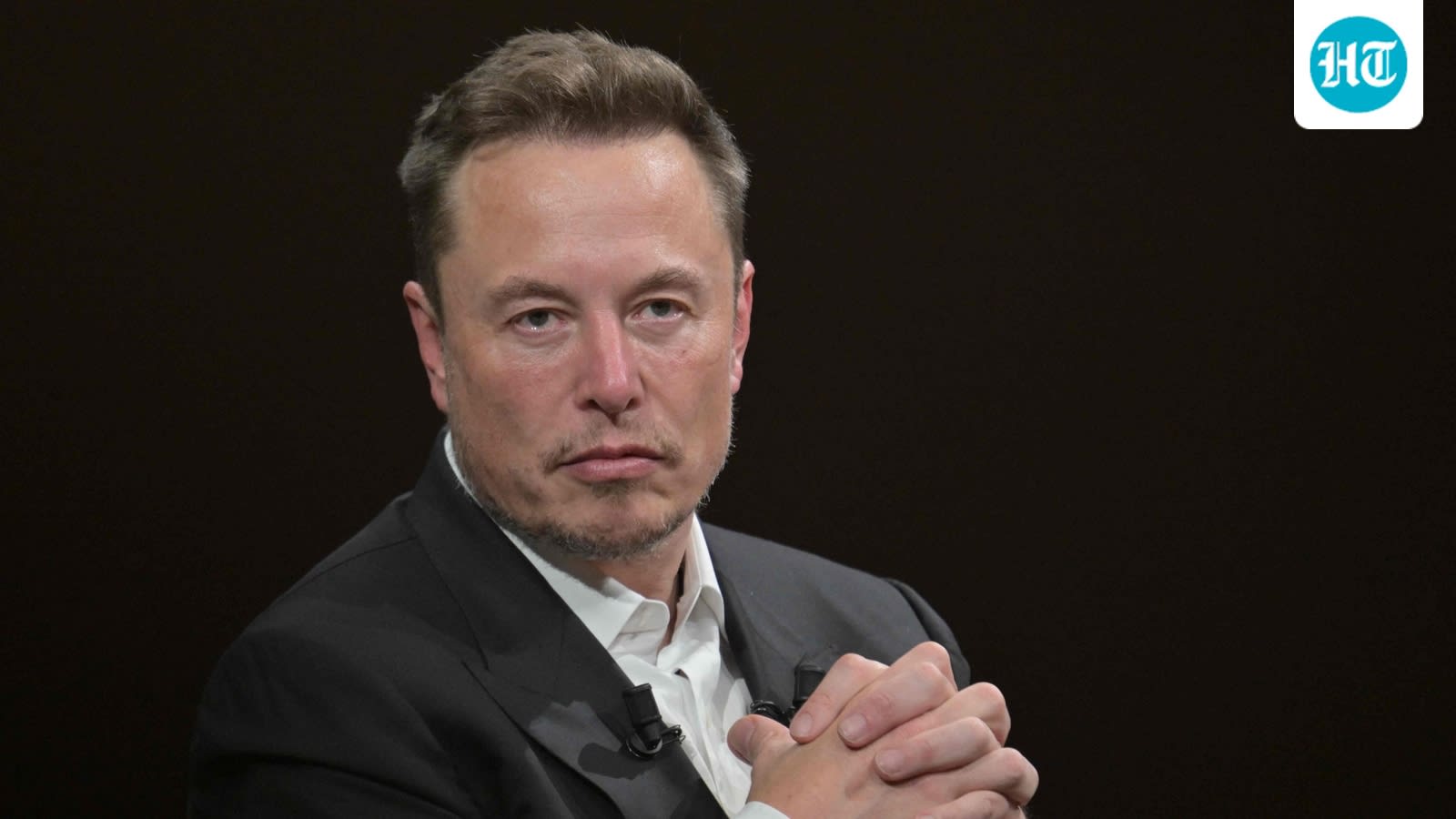
SpaceX is securing a $32 billion debt deal to finance Nvidia AI chips, but lenders are demanding restrictions to prevent the hardware from being deployed in orbital data centers. This conflict highlights the tension between Musk's space-based computing ambitions and the standard collateral requirements of traditional debt markets.
SpaceX and the Multi-Billion Dollar AI Chip Financing Challenge
SpaceX has initiated a significant debt sale of at least $32 billion, a move designed to finance a massive acquisition of Nvidia’s latest artificial intelligence chips. This transaction, managed by financial heavyweights Goldman Sachs Group Inc. and Apollo Global Management Inc., underscores the explosive demand for high-end semiconductors in the current AI boom. By utilizing a special-purpose vehicle managed by an Apollo-backed entity, SpaceX aims to secure the hardware necessary to scale its computational capabilities, with a planned five-year leasing structure.
The Collateral Conflict: Earth vs. Orbit
While the deal highlights the company's aggressive growth, it has triggered a unique clash between capital markets and frontier technology. Lenders backing the $43 billion debt package have expressed significant reservations regarding the physical location of their collateral. Because these loans are secured by the chips themselves, investors are seeking contractual protections to ensure the hardware remains on Earth. This precaution is directly aimed at preventing Elon Musk from launching these assets into space to power proposed orbital data centers.
Financial Risk and Asset Recovery
From a lender's perspective, the primary concern is the ability to reclaim and liquidate assets in the event of a default. In traditional data center financing, the chips serve as a tangible backstop; if a company fails to meet its obligations, lenders seize and resell the semiconductors to recoup their investment. Because H100 and H200 series chips retain significant secondary market value, this collateral structure is essential to keeping borrowing costs manageable for tech firms.
The Logistical Hurdles of Space-Based Computing
Elon Musk has publicly outlined a vision for powering AI models using data centers cooled by the vacuum of space. However, this vision faces a distinct financing hurdle: once hardware is launched into orbit, it becomes effectively impossible for a lender to repossess it. If the chips were to be integrated into satellites, they would be beyond the reach of creditors, thereby nullifying the security of the debt instrument. This has forced a standoff where SpaceX must balance its futuristic engineering ambitions against the rigid requirements of institutional debt markets.
Future Trends in Space Infrastructure Financing
This incident serves as a bellwether for the future of space-based infrastructure. As companies look to move computing power into orbit, the financial industry will need to develop new frameworks for asset-backed lending. Currently, the ecosystem depends heavily on terrestrial collateral. If space-based data centers are to become viable, the industry will likely see the development of specialized insurance or alternative collateral models that account for the unique risks of off-planet deployment.
Conclusion
In summary, the SpaceX debt sale is not merely a transaction for hardware; it is a high-stakes negotiation over the future of asset security in the space age. While SpaceX intends to use the chips on Earth for the time being, the tension between lenders and the company highlights the inherent difficulties in financing technologies that are designed to transcend traditional physical boundaries. Whether these provisions successfully keep the chips on the ground remains a critical focal point for the broader AI and space sectors.
Verification Required?