SpiceJet Delhi-Dubai flights delayed 16-29 hours, passengers protest at airport
Source Entity
Devansh Mittal
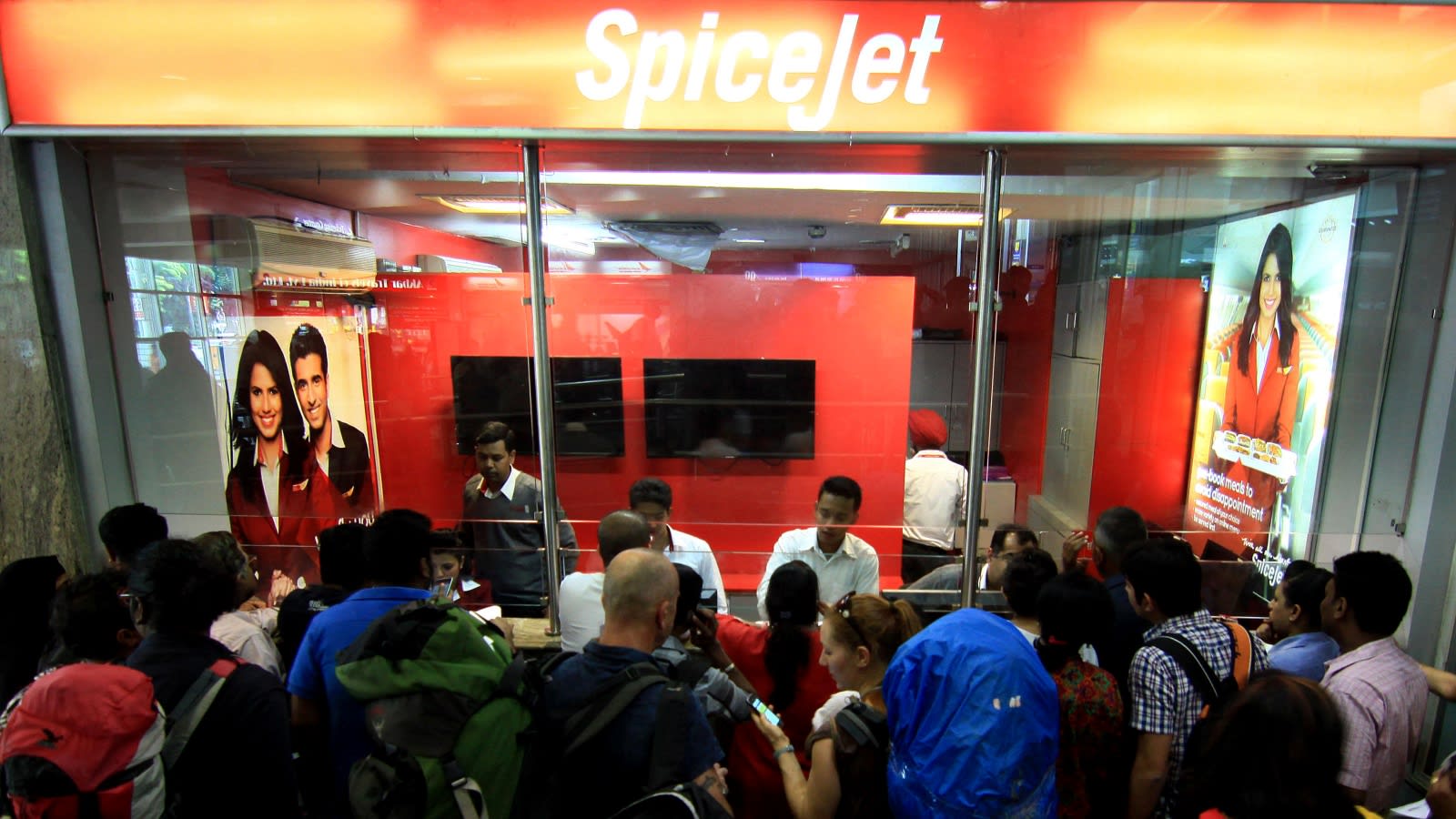
Over 200 SpiceJet passengers staged protests at Delhi's IGI Airport after flights SG 5111 and SG 5105 to Dubai faced delays exceeding 24 hours. The airline cited operational reasons for the disruption, which left travelers stranded in Terminal 3 for more than a full day.
Crisis at IGI: SpiceJet Operations Under Scrutiny
Recent reports confirm a significant operational breakdown at the Indira Gandhi International (IGI) Airport in Delhi, where more than 200 passengers staged protests following extreme delays involving SpiceJet flights SG 5111 and SG 5105. Both flights, intended for Dubai, were subjected to delays ranging from 16 to 29 hours, with neither aircraft having departed by Tuesday afternoon. This incident highlights a critical failure in service reliability that has caused immense distress to travelers.
The Anatomy of the Delay
Flight SG 5111 was originally scheduled for an 8:30 am departure on Monday, while SG 5105 was slated for a 10:10 pm departure the same evening. Given that the typical flight duration between Delhi and Dubai is a mere three to four hours, the decision to delay these services for over 24 hours represents a massive deviation from standard operational expectations. The airline’s vague attribution of the incident to "operational reasons" has done little to appease the stranded passengers who occupied Terminal 3 to voice their frustrations.
Impact on Passenger Rights and Airport Logistics
As the situation escalated into public protests, Delhi Airport authorities were forced to intervene to manage the stranded crowds. The inability of the carrier to provide timely updates or alternative arrangements underscores the fragility of airline scheduling during periods of operational strain. For passengers, these delays are not merely inconveniences but significant disruptions to professional and personal commitments, leading to the public outcry observed at the terminal.
Broader Implications for Aviation Reliability
This event serves as a stark reminder of the challenges facing the domestic aviation sector in India. When legacy or budget carriers encounter technical or logistical bottlenecks, the cascading effect on passengers is severe. The lack of proactive communication from the airline in this instance likely exacerbated the tension, turning a logistical delay into a significant public relations and security concern within the airport environment.
Analyzing Future Trends and Regulatory Oversight
Looking forward, this incident will likely draw increased scrutiny from aviation regulators regarding the contingency protocols airlines must maintain. Passengers are becoming increasingly vocal about their rights, and the scale of the protest at IGI suggests that travelers are no longer willing to accept indefinite delays without clear transparency or compensation. Future trends in the industry will likely necessitate more rigorous enforcement of service level agreements and better passenger handling procedures during unforeseen operational outages.
Conclusion
The situation at Delhi Airport remains a cautionary tale of how operational instability can rapidly devolve into a crisis. As SpiceJet works to resolve the backlog for flights SG 5111 and SG 5105, the focus remains on the necessity for robust crisis management strategies. For the aviation industry, the priority must shift toward ensuring that operational hurdles do not come at the expense of passenger welfare and public order.