4 stinky ingredients that make your perfume smell incredible
Source Entity
TOI LIFESTYLE DESK
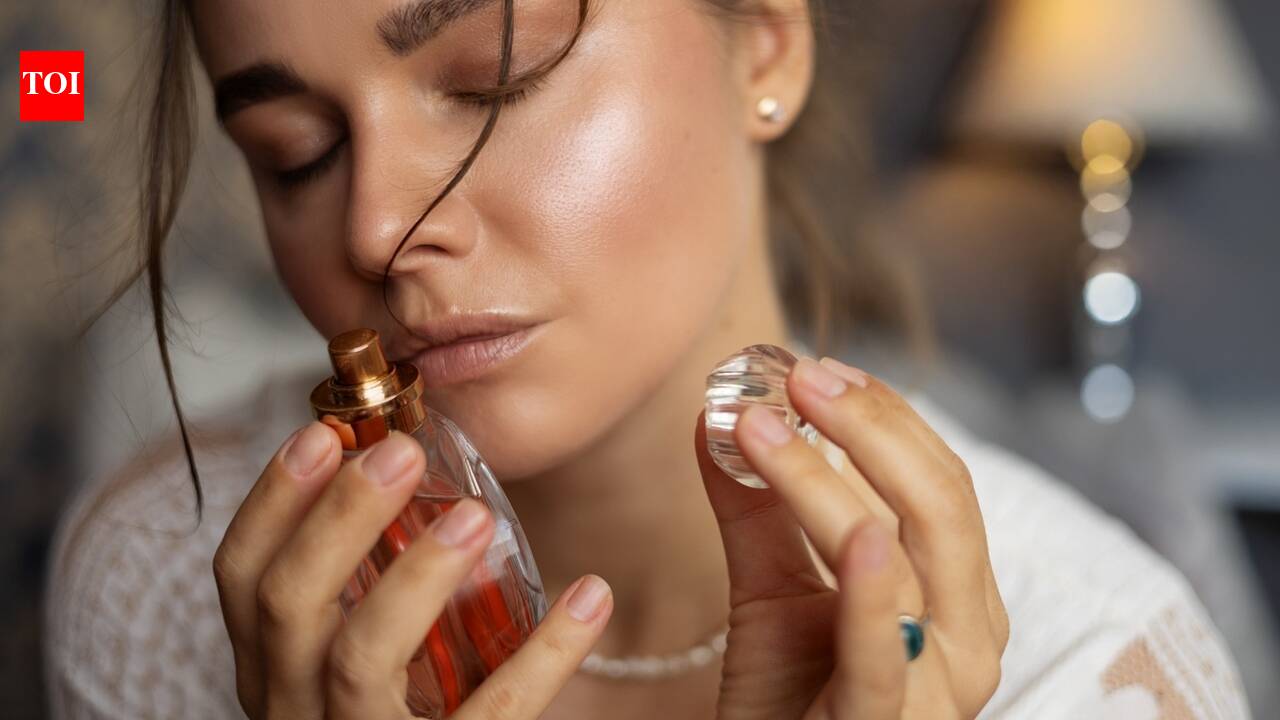
High-end fragrances often incorporate components sourced from animal secretions and tree infections, resulting in distinctive and enduring aromas. While these natural elements, such as those from musk deer and beavers, were once sought after through hunting, today's perfumers predominantly use synthetic alternatives. This transition enhances ethical sourcing practices and makes such scents more accessible to global consumers.
The Olfactory Paradox: How Pungent Origins Create Luxury Scents
Fragrance is often perceived as an ethereal, purely pleasant experience, yet the chemistry behind high-end perfumery reveals a fascinating paradox: some of the most desirable scents in the world originate from sources that are, in their raw form, profoundly unpleasant. As highlighted in recent reports, the industry relies on "stinky" ingredients—ranging from animal secretions to the results of tree infections—to provide the structural integrity and enduring nature of a perfume. This juxtaposition between the raw material and the final product is the cornerstone of olfactory art, where foul-smelling base notes act as anchors for volatile top notes.
The Role of Animal Secretions and Fixatives
Animal-derived ingredients, such as those sourced from the musk deer and beavers (castoreum), have historically been prized not for their initial scent, but for their properties as "fixatives." In the world of chemistry, fixatives are substances that reduce the evaporation rate of the more volatile components of a fragrance, allowing the scent to linger on the skin for hours or even days. Musk and castoreum provide a warm, earthy depth that mimics natural pheromones, adding a layer of sensuality and complexity that is difficult to achieve with simple floral or citrus oils. These secretions, while pungent in isolation, blend with other aromatic compounds to create a harmonious and sophisticated profile.
The Chemistry of Tree Infections
Beyond animal sources, the luxury fragrance market heavily utilizes materials resulting from biological stress in plants. The mention of "tree infections" refers to the complex process where a tree, such as the Aquilaria tree, reacts to a fungal infection by producing a dense, fragrant resin. This resin, known as Oud or agarwood, is one of the most expensive raw materials in the world. The infection triggers a defense mechanism in the tree, transforming ordinary wood into a scent-rich substance. This biological struggle results in a deep, woody, and slightly medicinal aroma that is highly coveted in high-end perfumery for its rarity and intensity.
The Ethical Pivot to Synthetic Alternatives
As global consciousness regarding animal welfare and environmental sustainability has evolved, the perfumery industry has undergone a massive transition. The historical reliance on hunting musk deer or harvesting beaver glands is increasingly viewed as unethical and unsustainable. Consequently, modern chemists have developed synthetic alternatives that replicate the molecular structure of these natural secretions. This shift is not merely a moral victory but a practical one; synthetic molecules provide a level of consistency and purity that natural extracts, which can vary wildly based on the animal's diet or environment, cannot offer.
Democratizing Luxury through Chemical Innovation
The transition to synthetic components has also had a profound impact on the accessibility of luxury scents. Natural musk and Oud are prohibitively expensive due to their rarity and the labor-intensive processes required to extract them. By synthesizing these aromatic profiles in a laboratory, fragrance houses can offer "high-end" olfactory experiences to a broader global consumer base. This democratization of scent allows the average consumer to experience the complexity of professional perfumery without the astronomical price tags associated with rare, wild-harvested ingredients.
Future Trends in Sustainable Scent Science
Looking forward, the trend toward "clean beauty" and ethical sourcing will likely push the industry further toward biotechnology. We can expect to see a rise in lab-grown natural ingredients—using fermentation or cellular agriculture—which provide the exact molecular signature of the original "stinky" ingredient without requiring any animal harm or forest degradation. The future of fragrance lies in the ability to synthesize the complex, pungent biological markers of nature while maintaining a zero-impact footprint on the planet.
Conclusion
In summary, the allure of high-end perfume is deeply rooted in the science of contrast. By leveraging the pungent properties of animal secretions and the chemical reactions of infected trees, perfumers create scents that are both enduring and complex. The industry's move toward synthetic alternatives marks a critical evolution, balancing the desire for luxury with the necessity of ethics and sustainability, ensuring that the art of fragrance continues to evolve without compromising the natural world.