Pakistan suicide bombing kills 11 in Dera Ismail Khan, 30 injured
Source Entity
The Indian Express
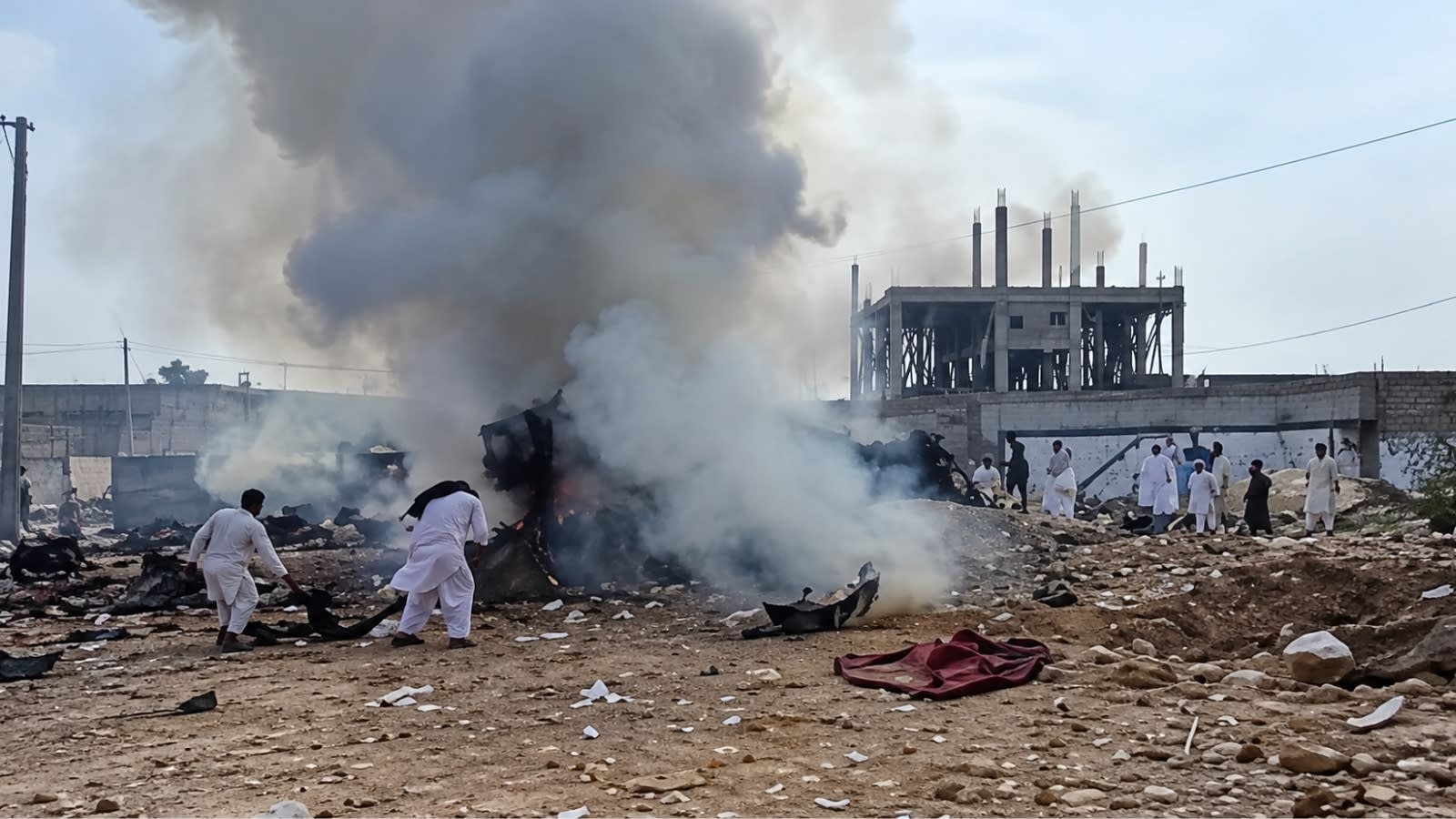
A suicide bombing at a police checkpoint in Pakistan's Dera Ismail Khan district has left 11 people dead and 30 injured. The Tehreek-e-Taliban Pakistan (TTP) claimed responsibility for the attack, marking a significant escalation in regional violence.
Deadly Suicide Bombing Strikes Dera Ismail Khan
A devastating suicide bombing occurred in the Darazinda area of Dera Ismail Khan, a district located in Pakistan's Khyber Pakhtunkhwa province. The attack, which targeted a roadside police checkpoint, resulted in the tragic death of at least 11 individuals, while approximately 30 others sustained injuries. Emergency services, specifically Rescue 1122, were promptly dispatched from the Darazinda station to conduct relief operations and transport the wounded to nearby medical facilities.
The Mechanics of the Attack
According to reports citing police and rescue officials, the explosion was triggered by an explosives-laden vehicle detonated by a suicide bomber at the police checkpoint. The deliberate targeting of law enforcement infrastructure underscores the tactical shift in militant operations, which increasingly focus on disrupting security apparatuses in volatile regions. The Tehreek-e-Taliban Pakistan (TTP) has officially claimed responsibility for this act of violence, signaling their continued capability to execute coordinated strikes against state targets.
Broader Regional Instability
This incident is not an isolated event but rather part of a disturbing trend of increased militancy within Pakistan. Since February, the nation has witnessed a surge in violent activity, with the total death toll from various blasts and suicide bombings now exceeding 100 people. This regional instability is particularly acute in Khyber Pakhtunkhwa, which has become a focal point for militant groups such as the TTP and the Baloch Liberation Army.
Historical and Security Context
Pakistan has struggled with a persistent security crisis for several months, characterized by high-profile attacks in urban centers and border provinces. The February suicide bombing at a Shia religious center in Islamabad serves as a grim marker of the reach of these militant organizations. The current security landscape suggests that these groups are exploiting porous borders and local grievances to challenge the authority of the state through asymmetric warfare.
Future Implications and Outlook
The frequency of these attacks poses a significant challenge to the Pakistani government's ability to maintain public order and secure its infrastructure. As the death toll continues to climb, the pressure on security forces to neutralize these threats will likely intensify. Observers anticipate that the government may implement more stringent security measures, particularly at checkpoints and critical infrastructure points, to prevent further loss of life. However, without addressing the underlying drivers of this militancy, the cycle of violence remains a critical concern for the region's long-term stability.