Supreme Court refers Central Secretariat Library relocation case to CJI
Source Entity
The Indian Express
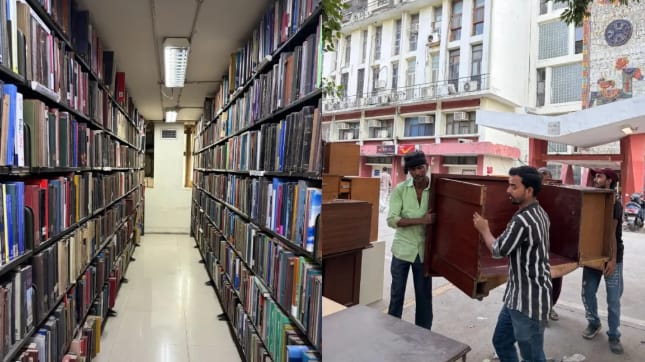
The Supreme Court has referred the matter of the Central Secretariat Library's potential relocation to the Chief Justice of India. This decision follows a procedural determination that the current bench lacked the necessary jurisdiction to hear the case.
Judicial Oversight and the Central Secretariat Library
The recent decision by the Supreme Court bench comprising Justices P V Sanjay Kumar and Sanjeev Sachdeva to refer the Central Secretariat Library (CSL) relocation case to the Chief Justice of India (CJI) underscores the complexities of judicial administration. Initiated as a suo motu proceeding following an investigative report by the Indian Express, the case highlights the tension between institutional preservation and administrative restructuring. The CSL, a repository of significant historical and governmental records, remains a focal point for concerns regarding the accessibility and safety of national archives.
Jurisdictional Nuances in the Supreme Court
The referral is rooted in a strict interpretation of the Supreme Court’s roster system. The bench explicitly stated that the subject matter of the library’s relocation does not fall under their current purview. This procedural move is not merely a bureaucratic formality but a reflection of the court's commitment to maintaining the integrity of its internal case allocation protocols. By deferring to the CJI, the bench ensures that the matter is assigned to a forum with the requisite jurisdiction to address public interest litigation (PIL) effectively.
The Broader Context of Administrative Shifts
This development occurs against a backdrop of ongoing adjustments in judicial case management. Notably, the recent actions of CJI Surya Kant, who withdrew specific cases from a bench led by Justice A Amanullah due to jurisdictional concerns, set a precedent for the current referral. These events collectively demonstrate a heightened focus by the judiciary on ensuring that PILs are heard by benches specifically empowered to handle such matters, thereby preventing jurisdictional overreach and ensuring consistent legal standards.
Implications for Public Interest Litigation
The suo motu initiation of these proceedings signifies the Supreme Court’s proactive role in acting as a watchdog for public institutions. Libraries like the CSL are not merely administrative offices; they are custodians of the nation’s intellectual heritage. The uncertainty surrounding the relocation has triggered public anxiety regarding the potential loss or mismanagement of rare documents and the disruption of scholarly access. The Court’s intervention signifies that the physical location and operational continuity of such institutions are matters of public concern that warrant judicial scrutiny.
Future Trajectory and Judicial Resolution
As the matter moves to the CJI for reassignment, the future of the Central Secretariat Library remains in a state of legal flux. The eventual bench assigned to the case will be tasked with balancing governmental administrative requirements against the public's right to access historical resources. The legal community and the public will be watching closely to see how the Court balances the state’s executive authority with the preservation of cultural and academic infrastructure. This case serves as a critical test of how the judiciary handles the intersection of urban development and institutional heritage.