Supreme Court upholds doctors’ liability under consumer protection law
Source Entity
Latest News: Todays Latest News Headlines from India & World | Hindustan Times | Hindustan Times
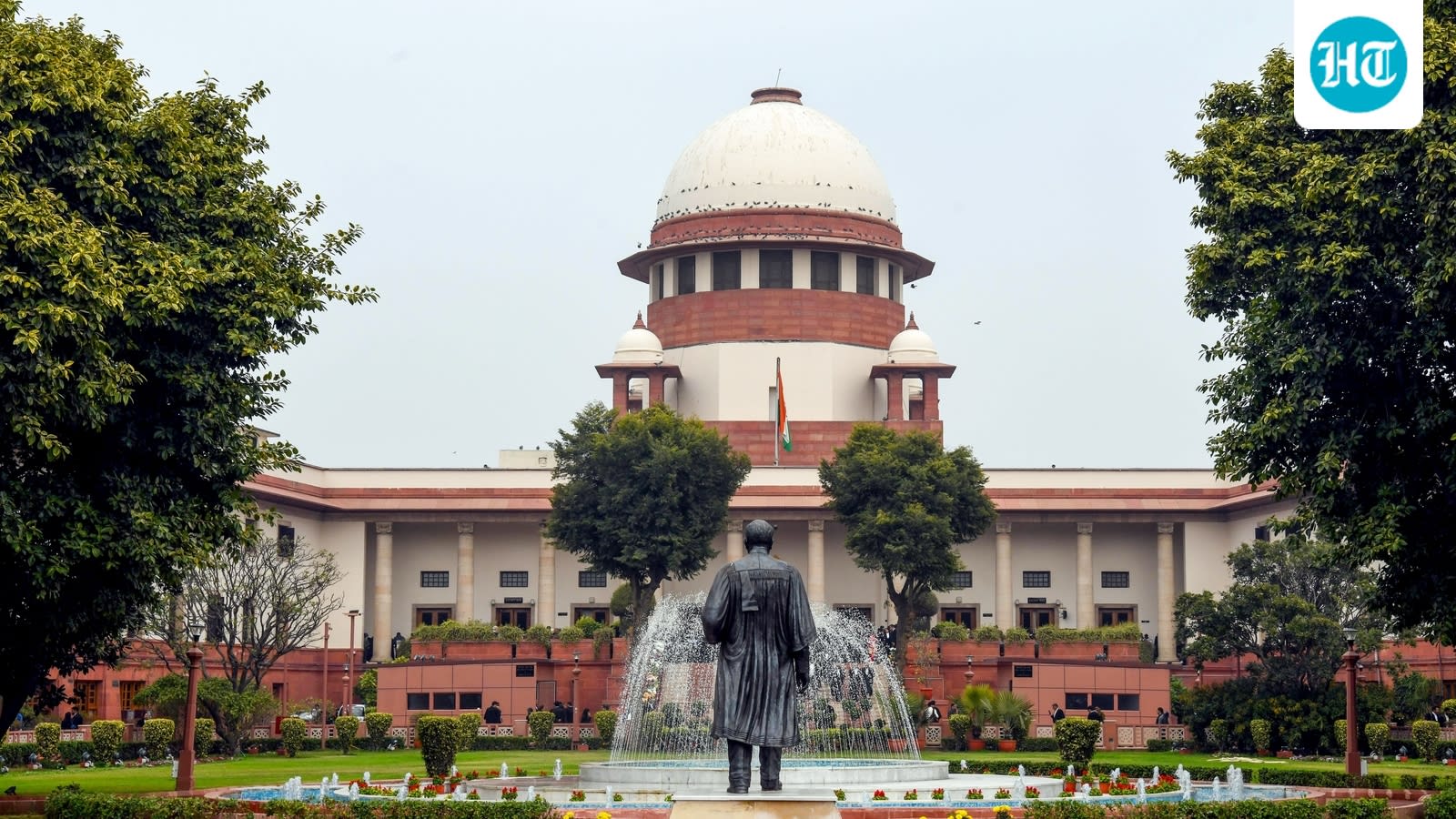
The Supreme Court has dismissed a curative petition, reaffirming that doctors and hospitals fall under the Consumer Protection Act. This decision maintains the legal precedent that patients can seek redress for deficient medical services while upholding the Bolam Test for professional negligence.
The Supreme Court Reaffirms Medical Accountability
In a definitive judicial pronouncement, a five-judge bench of the Supreme Court of India has dismissed a curative petition that sought to challenge the inclusion of medical services under the Consumer Protection Act (CPA). This ruling effectively puts to rest decades of legal debate regarding the status of medical professionals as service providers within the consumer law framework, reinforcing the landmark 1995 precedent that established patients as consumers entitled to legal recourse for deficient services.
The Legal Evolution of Medical Liability
The history of medical liability in India has been shaped by the judicial interpretation of professional duties. By dismissing the curative petition filed by Dr. Rajeev D. Joshi, the bench—comprising Justices Vikram Nath, BV Nagarathna, MM Sundresh, Prashant Kumar Mishra, and KV Viswanathan—has underscored that the judiciary’s role is to ensure a balance between medical autonomy and patient rights. The dismissal confirms that the legislative intent behind the CPA extends to the healthcare sector, ensuring that hospitals and practitioners remain accountable for the quality of care provided.
The Bolam Test and Professional Competence
A critical component of this legal landscape is the application of the 'Bolam Test,' which was explicitly upheld in the 2005 Jacob Mathew ruling. The court has maintained that medical professionals are not to be held liable for every unfavorable outcome, but rather for a lack of the 'requisite skills' or 'reasonable competence' expected of a standard practitioner. This distinction is vital; it protects doctors from being penalized for the inherent risks of medical procedures while ensuring that patients have a mechanism to challenge genuine negligence.
Implications for Healthcare Providers
For the medical community, this ruling serves as a final judicial seal on their obligations under the CPA. It mandates a high standard of care and documentation. By dismissing the curative petition, the court signaled that the legal parameters for challenging such foundational rulings are narrow and that the 1995 decision remains robust. Medical institutions must now continue to operate within these established guidelines, knowing that the consumer protection framework is firmly entrenched in the Indian legal system.
Future Trends in Medical Jurisprudence
Looking forward, this decision will likely stabilize the litigation environment for medical negligence claims. By reaffirming the Jacob Mathew standard, the court has provided clarity for lower courts and consumer forums that handle these disputes. Future trends suggest that while medical professionals will remain accountable, the focus of the judiciary will likely remain on the 'reasonable competence' standard, preventing the over-criminalization of medical practice while maintaining the right of the patient to seek justice in cases of clear deficiency.
Conclusion
The Supreme Court’s dismissal of the curative petition is a pivotal moment for Indian consumer law. It solidifies the position that medical services, while specialized, are not exempt from the standards of service and accountability that govern other commercial interactions. This consistency in jurisprudence ensures that the rights of patients are protected while maintaining the integrity of the medical profession through the established Bolam standard.
Verification Required?