Cyclosporiasis outbreak: Why is Taco Bell under probe? All we know as officials review causes of ‘explosive diarrhea’
Source Entity
Latest News: Today's Latest News Headlines from India & World | Hindustan Times | Hindustan Times
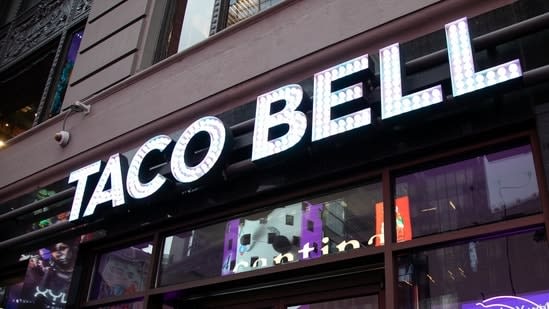
Health officials are investigating Taco Bell, particularly in the Detroit area, following a Cyclosporiasis outbreak linked to a nationwide recall of lettuce and guacamole.
Investigation into Taco Bell Amid Cyclosporiasis Outbreak
Health officials have launched a targeted probe into Taco Bell, with a specific focus on operations in Detroit, following reports of a Cyclosporiasis outbreak. The investigation centers on the potential contamination of key fresh ingredients, specifically lettuce and guacamole, which have been subject to a nationwide recall. This public health crisis has prompted urgency among regulators to identify the exact point of failure in the supply chain to prevent further infections and mitigate the spread of the parasite.
Understanding Cyclosporiasis and Its Impact
Cyclosporiasis is a gastrointestinal illness caused by the parasite Cyclospora cayetanensis. The infection is typically transmitted through the consumption of contaminated food or water, most frequently linked to fresh produce that has been irrigated with contaminated water or handled improperly during processing. The hallmark of this infection is severe, watery, and often "explosive" diarrhea, accompanied by nausea, vomiting, and extreme fatigue. Because the parasite is hardy and resistant to many standard chlorine-based disinfection methods, it poses a significant challenge for industrial food processors.
The Supply Chain Vulnerability
The probe into Taco Bell highlights a critical vulnerability in the modern fast-food industry: the reliance on centralized, large-scale suppliers for perishable goods. When a single source of lettuce or guacamole is contaminated, the distribution network can spread the pathogen across multiple states almost instantaneously. In this instance, the nationwide recall suggests that the contamination occurred at the farm or processing level rather than within a single restaurant location. This systemic risk underscores the difficulty of maintaining sterile environments in the "farm-to-table" pipeline for high-volume quick-service restaurants (QSRs).
Public Health Response and Traceability
Health officials in Detroit and nationwide are currently employing traceback investigations to map the movement of the recalled ingredients. By analyzing patient samples and matching them with the DNA profile of the parasite found in the food, investigators can pinpoint the specific field or processing plant responsible. This process is vital not only for Taco Bell but for the entire produce industry, as the same contaminated batches of lettuce or guacamole may have been sold to other vendors or grocery stores, potentially expanding the scope of the outbreak beyond a single brand.
Broader Implications for Food Safety Standards
This event is likely to trigger a re-evaluation of safety protocols for fresh produce in the fast-food sector. Historically, outbreaks of parasitic and bacterial infections in produce have led to the implementation of more rigorous testing and the adoption of advanced irrigation monitoring. The current probe may accelerate the shift toward more transparent sourcing and the use of blockchain or similar tracking technologies to ensure that contaminated batches can be isolated and removed from the market in hours rather than days.
Conclusion and Future Outlook
While Taco Bell and health officials work to resolve the current crisis, the incident serves as a stark reminder of the precarious nature of globalized food supply chains. The immediate priority remains the containment of the outbreak and the communication of risks to the public. Moving forward, the industry will likely face increased pressure to move beyond basic compliance and implement more aggressive screening for Cyclospora to restore consumer confidence and ensure the safety of fresh ingredients in fast-food menus.
Verification Required?