2020 Delhi riots: Ex-AAP councillor Tahir Hussain convicted in IB staffer’s murder
Source Entity
Nirbhay Thakur
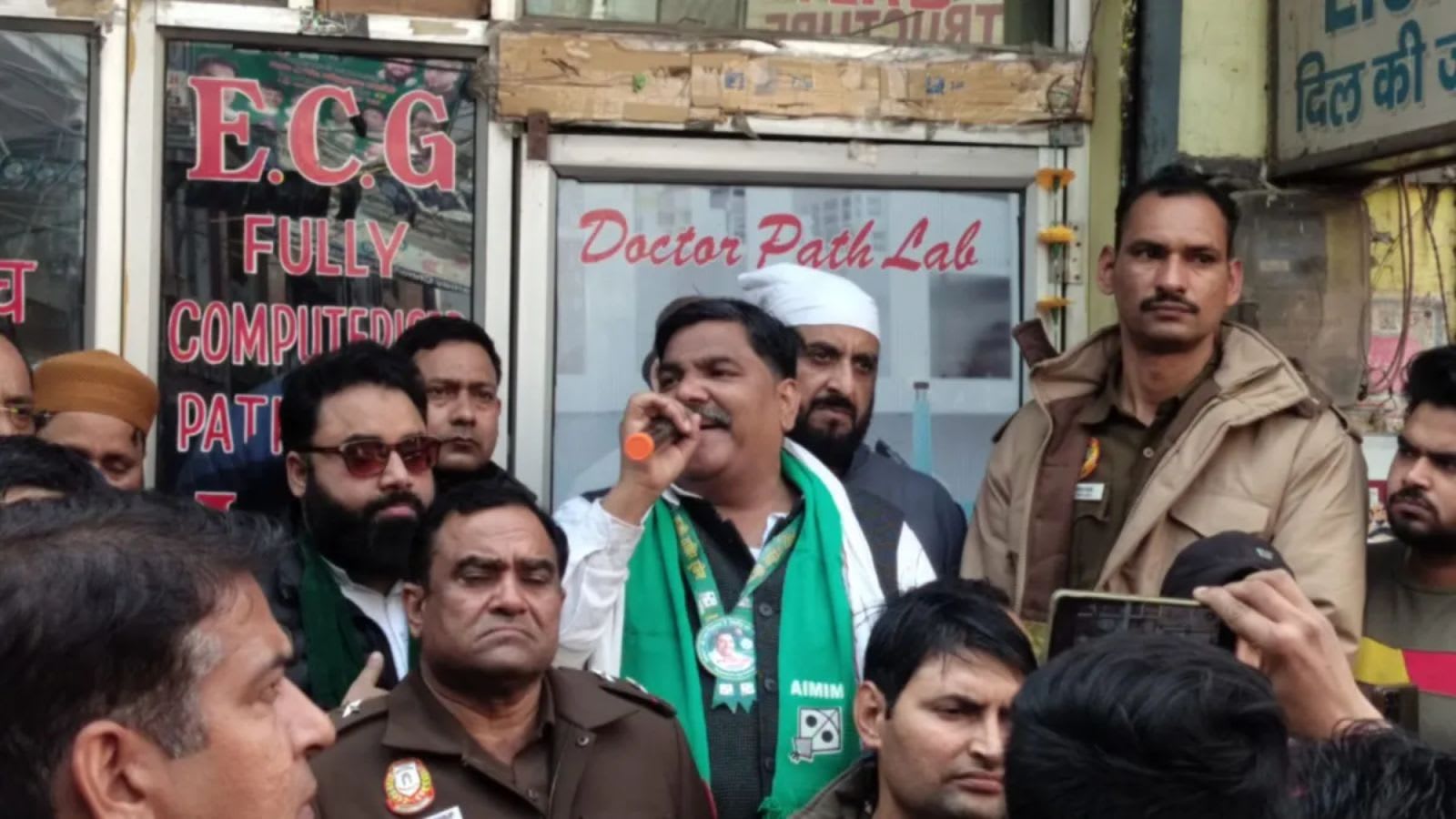
Former AAP councillor Tahir Hussain has been convicted in the murder case of Intelligence Bureau staffer Ankit Sharma. (File Photo) A Delhi court on Monday convicted former Aam Aadmi Party (AAP) Coun...
Judicial Accountability: The Conviction of Tahir Hussain in the Ankit Sharma Murder Case
In a significant legal development concerning the aftermath of the 2020 Delhi riots, a Delhi court has convicted former Aam Aadmi Party (AAP) councillor Tahir Hussain and four other individuals for the murder of Ankit Sharma, a staffer of the Intelligence Bureau (IB). This verdict marks a critical milestone in the judicial process aimed at addressing the violence that gripped the national capital several years ago. The conviction serves as a formal legal acknowledgment of the culpability of political figures in the orchestration and execution of violent crimes during periods of civil unrest.
The Core of the Crime and Legal Proceedings
The case centers on the brutal killing of Ankit Sharma, whose death became one of the most publicized casualties of the 2020 riots. The prosecution's case rested on evidence linking Tahir Hussain and his associates to the targeted violence that led to Sharma's death. By convicting Hussain along with four others, the court has validated the evidence presented regarding the conspiracy and the actual act of murder. This legal victory for the prosecution highlights the complexities of investigating riot-related crimes, where distinguishing between general chaos and targeted killings requires meticulous forensic and testimonial evidence.
Political Fallout and the Role of Local Leadership
Tahir Hussain's position as a former AAP councillor adds a layer of political sensitivity to the case. The conviction underscores the dangers associated with the intersection of local political power and communal mobilization. In the wake of the 2020 riots, the role of local leaders in either mitigating or exacerbating violence became a subject of intense national debate. Hussain's transition from a representative of the people to a convicted murderer reflects a severe breach of public trust and demonstrates how political machinery can be misused to incite violence under the guise of political or communal activism.
Historical Context: The 2020 Delhi Riots
To understand the gravity of this conviction, one must look at the broader context of the 2020 Delhi riots. The riots were characterized by severe communal clashes that resulted in numerous deaths, widespread arson, and massive displacement. The violence left a deep scar on the social fabric of Northeast Delhi and surrounding areas. For years, victims and their families have sought justice through a slow-moving legal system. The conviction of a high-profile figure like Tahir Hussain provides a semblance of closure and reinforces the principle that no individual, regardless of their political stature, is above the law.
Broader Implications for Law and Order
This verdict has far-reaching implications for how communal violence is handled in India. It sends a strong signal to potential agitators and political operatives that the judiciary is capable of piercing through the noise of riot-induced chaos to identify and punish the primary instigators. Furthermore, the conviction of an IB officer's killer emphasizes the state's commitment to protecting its own personnel, who are often on the front lines of intelligence and security during such crises. This case sets a precedent for the rigorous prosecution of those who target government officials during civil disturbances.
Future Trends and Legal Outlook
Looking forward, this conviction is likely to accelerate other pending cases related to the 2020 riots. As more evidence is formalized and verdicts are delivered, there will be a trend toward identifying the 'masterminds' rather than just the 'foot soldiers' of the violence. We can expect a series of appeals in higher courts, which will further refine the legal definitions of 'incitement' and 'conspiracy' in the context of urban riots. Additionally, this case may prompt political parties to implement stricter vetting processes for their local representatives to avoid association with individuals prone to inciting communal hatred.
Summary of Impact
The conviction of Tahir Hussain is more than just a legal victory in a single murder case; it is a symbolic assertion of the rule of law over communal volatility. By holding a former political leader accountable for the death of Ankit Sharma, the Delhi court has contributed to the slow but necessary process of healing and justice for the victims of the 2020 riots, ensuring that the accountability for violence is established through due process.
Multiple Citing Sources