Telangana SAFE raids quack’s clinic in Bhadradri Kothagudem, seizes medicines including antibiotics
Source Entity
India Latest News: Top National Headlines Today & Breaking News | The Hindu
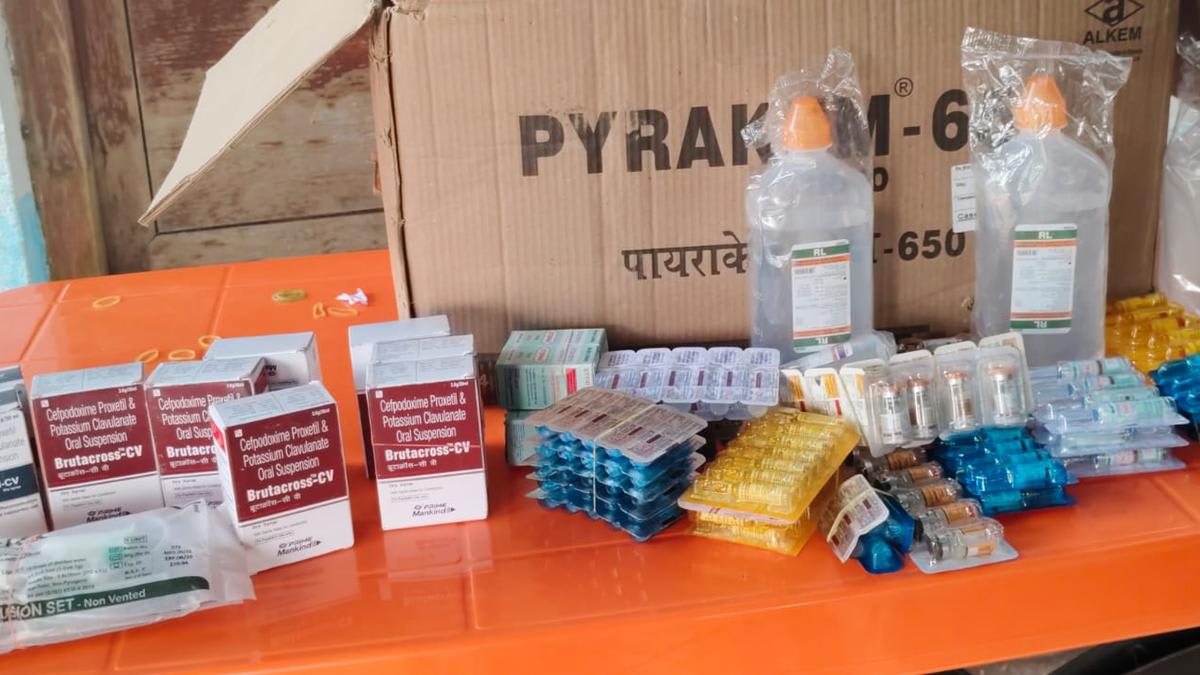
Telangana health authorities have launched a crackdown on medical shops and unlicensed practitioners to curb the illegal sale of antibiotics and habit-forming drugs. These enforcement drives aim to ensure strict regulatory compliance across both urban Hyderabad and rural districts.
Regulatory Crackdown: Strengthening Pharmaceutical Oversight in Telangana
In a significant move to bolster public health safety, the Telangana Standards Authority for Food and Essential Drugs (TG SAFE) has launched a series of rigorous enforcement drives across the state. These operations, conducted in mid-November 2026, targeted both established urban medical retailers and unlicensed rural practitioners. By addressing the unauthorized sale of habit-forming drugs and antibiotics, the authorities are taking proactive steps to mitigate the risks of substance abuse and the growing global concern of antibiotic resistance.
Targeting Urban Retail Violations
The recent enforcement drive in Hyderabad saw show-cause notices issued to 90 medical shops across prominent localities, including Koti, Abids, and Ameerpet. The coordinated effort between the drugs wing of TG SAFE, the enforcement wing, and excise personnel highlights a multi-agency approach to policing the pharmaceutical supply chain. These shops were flagged for failing to adhere to mandatory regulations governing the sale of prescription-only medications, a critical failure that directly threatens community health standards.
Curbing Illegal Practice in Rural Areas
Parallel to the urban operations, authorities conducted a high-impact raid in the Bhadradri Kothagudem district. The seizure of medicines worth ₹42,000 from an unlicensed clinic run by Shaik Masthan Vali underscores the dangers of unqualified individuals practicing medicine. By stocking 34 varieties of drugs—including steroids, analgesics, and anti-ulcer medications—without appropriate credentials, the clinic posed a severe risk to the local population. The seizure and subsequent analysis of these samples serve as a warning against the proliferation of 'quack' medical facilities in rural pockets.
The Broader Public Health Implications
The illegal sale of antibiotics remains a primary driver of antimicrobial resistance (AMR), a phenomenon where pathogens evolve to withstand standard treatments. When antibiotics are sold without strict prescription compliance, patients often self-medicate or receive incorrect dosages, accelerating the development of resistant bacteria. TG SAFE’s focus on these specific drug classes is an essential intervention to protect the integrity of the state’s medical infrastructure and prevent a long-term public health crisis.
Future Trends and Regulatory Consequences
The department has made its stance clear: establishments found in violation face the potential suspension or complete cancellation of their drug licenses. This punitive approach is intended to instill a culture of compliance among pharmacy owners. Moving forward, it is likely that TG SAFE will increase the frequency of surprise inspections, potentially leveraging digital tracking systems to monitor the movement of habit-forming drugs more transparently.
Conclusion
These enforcement actions represent a critical turning point for pharmaceutical regulation in Telangana. By simultaneously tackling urban regulatory lapses and rural illegal practices, TG SAFE is asserting its mandate to protect citizens from substandard and hazardous medication practices. Continuous monitoring and strict adherence to licensing protocols will remain essential to maintaining the safety and efficacy of the state’s healthcare ecosystem.
Verification Required?