Days after going on ‘murder spree’, POCSO accused found dead in Telangana village
Source Entity
Nikhila Henry
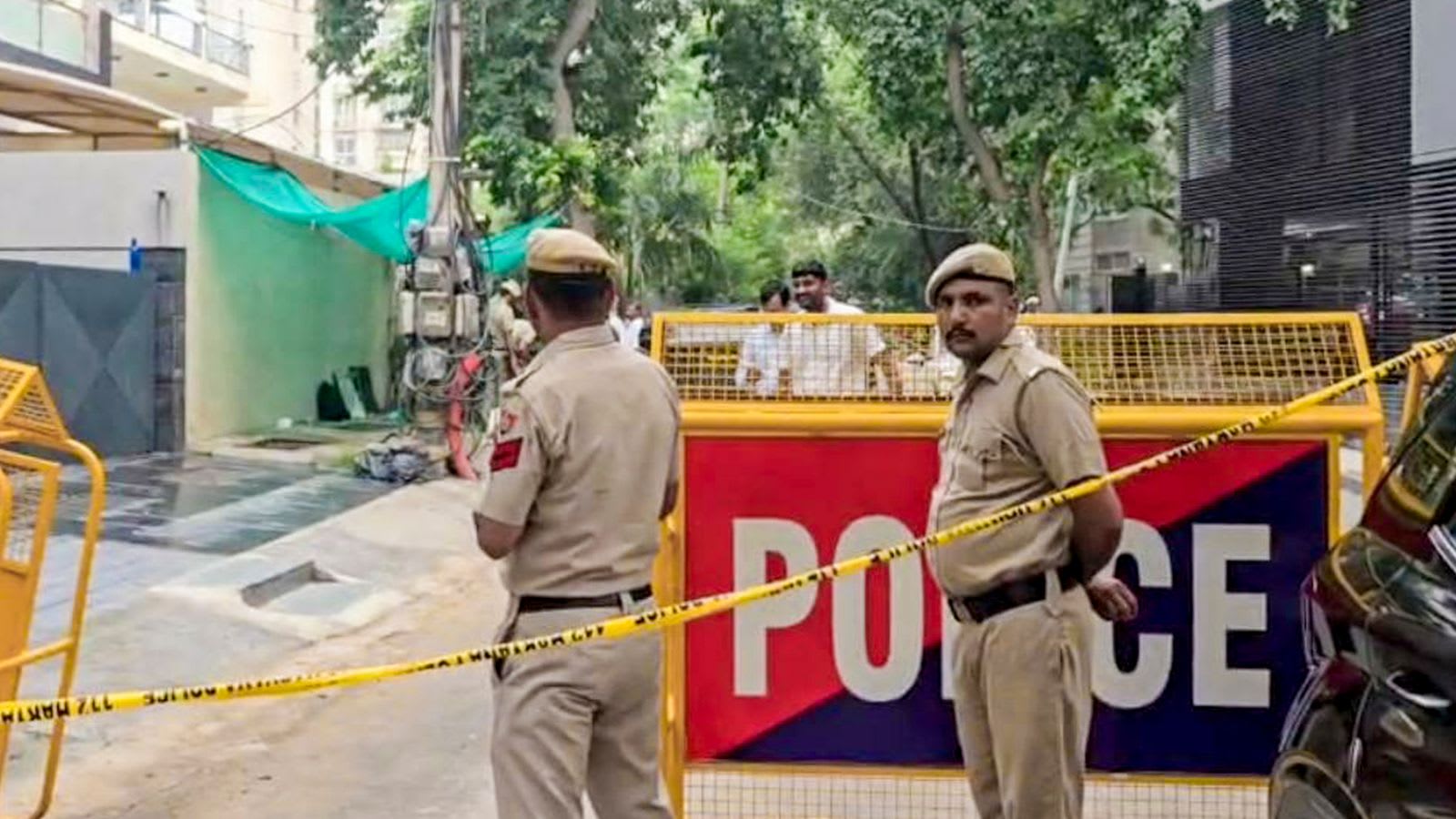
The POCSO-accused's body was found a few kilometers away from his place of residence on Monday afternoon. (Representative image) A 35-year-old man who allegedly killed six persons, including a teenag...
Tragedy and Terror: The Aftermath of a Telangana Murder Spree
In a shocking turn of events that has left a rural community in Telangana reeling, a 35-year-old man accused of a brutal murder spree was found dead on Monday afternoon. The discovery of his body, located just a few kilometers from his residence, brings a sudden and mysterious end to a manhunt for a man who allegedly claimed the lives of six individuals. The brutality of the crimes, combined with the identity of the victims, has sparked widespread horror and a demand for clarity regarding the circumstances of the accused's death.
The Magnitude of the Violence
The scale of the alleged crime spree is staggering, with six victims falling prey to the perpetrator in a short window of time. Among the deceased was a teenager, a detail that significantly amplifies the tragedy and the emotional weight of the case. Such concentrated bursts of violence in small village settings are rare and typically indicate a severe psychological break or a premeditated plan of extreme aggression. The impact on the local community is profound, as the intimacy of village life means that the victims and the perpetrator likely shared social or familial ties, leaving the survivors in a state of collective trauma.
Intersection of Violent Crime and POCSO Charges
Beyond the murder charges, the accused was also facing allegations under the Protection of Children from Sexual Offences (POCSO) Act. The inclusion of POCSO charges suggests that the violence was not merely random but may have been linked to sexual predation or crimes against minors. In the Indian legal framework, POCSO is one of the most stringent laws, designed to provide a child-friendly judicial process and ensure severe punishment for offenders. The intersection of multiple homicides and POCSO allegations paints a picture of a perpetrator who posed an extreme danger to the most vulnerable members of society.
The Mystery of the Perpetrator's Death
The timing and location of the accused's death raise critical questions. Found dead just a few days after the spree and within a short distance of his home, the circumstances suggest several possibilities: suicide driven by guilt or fear of capture, or potentially vigilante justice carried out by a community pushed to the brink by the loss of six loved ones. In high-profile cases of extreme violence in rural India, the line between law enforcement and community retribution can sometimes blur, making the official autopsy and police investigation into the cause of death paramount to ensuring legal closure.
Societal Implications and Community Trauma
This event highlights the precarious nature of safety in isolated rural areas where response times for law enforcement can be slower than in urban centers. The fact that a single individual was able to kill six people before being stopped indicates a catastrophic failure in early intervention. Furthermore, the psychological scar left on the village will persist for generations. The loss of a teenager, in particular, represents a stolen future that often leads to long-term communal grief and a lingering sense of insecurity among parents and guardians in the region.
Conclusion and Lack of Judicial Closure
While the death of the accused may bring a sense of grim relief to some, it denies the victims' families the formal process of a trial and sentencing. The judicial system is designed to provide a public accounting of crimes and a legal determination of guilt, which is essential for the healing process. With the suspect dead, the full motives behind the murder spree and the specific details of the POCSO allegations may never be fully articulated in a court of law, leaving a void of unanswered questions for the bereaved families in Telangana.