SIR anomalies may cross one crore in Telangana: CEO
Source Entity
India Latest News: Top National Headlines Today & Breaking News | The Hindu
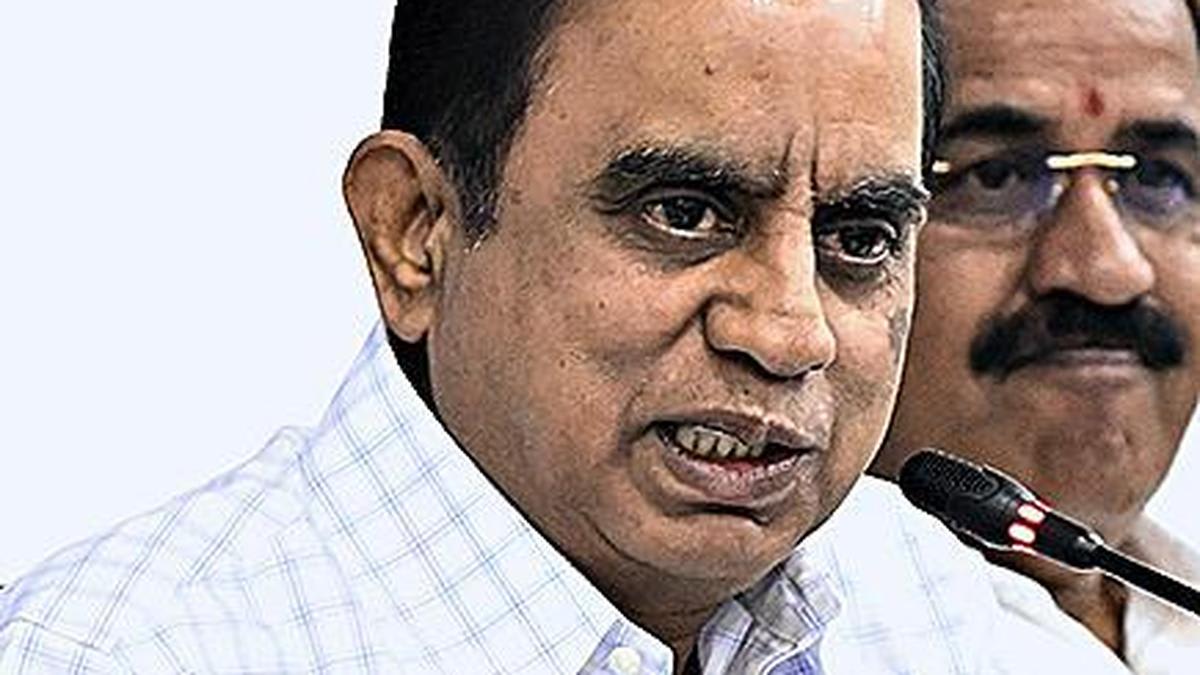
In an exclusive interview with The Hindu, Chief Electoral Officer C. Sudharshan Reddy provides more insights into the ongoign SIR process
Analysis of Electoral Roll Anomalies in Telangana
In a significant revelation regarding the integrity of the democratic process in Telangana, Chief Electoral Officer (CEO) C. Sudharshan Reddy has indicated that anomalies within the SIR process may surpass the one crore mark. This statement, delivered during an exclusive interview with The Hindu, underscores a monumental challenge in maintaining an accurate and transparent voter database. The scale of these anomalies—potentially affecting ten million entries—suggests a systemic need for a rigorous cleanup of the electoral rolls to ensure that the foundation of future elections is secure and free from discrepancies.
The Scale and Nature of Electoral Anomalies
When the CEO refers to "anomalies," it typically encompasses a wide array of data errors including duplicate entries, the inclusion of deceased voters, and individuals who have shifted their residence without updating their registration. For a state like Telangana, the possibility of one crore anomalies is a staggering figure that points to years of accumulated data drift. Such discrepancies often arise from the manual nature of legacy record-keeping and the challenges of tracking a highly mobile population. The identification of these errors is a critical first step in the SIR process, as failure to remove "ghost voters" or duplicates can lead to accusations of electoral fraud and undermine public trust in the polling outcome.
The SIR Process and Administrative Rigor
The SIR (Special Summary Revision/Integration) process is the primary mechanism used by the Election Commission to ensure the electoral roll is current. This involves a multi-layered verification process where Booth Level Officers (BLOs) conduct field visits to verify the physical presence and eligibility of voters. The CEO's admission regarding the volume of anomalies indicates that the current phase of the SIR is uncovering deeper layers of inconsistency than previously anticipated. This administrative rigor is essential; by aggressively identifying and pruning these anomalies, the Election Commission aims to create a "lean" and accurate roll that reflects the actual eligible voting population of the state.
Broader Implications for Democratic Integrity
The broader implication of this cleanup is the preservation of the "one person, one vote" principle. If one crore anomalies persist, the risk of electoral manipulation increases, whether through intentional fraud or accidental double-voting. By proactively addressing these issues, CEO C. Sudharshan Reddy is attempting to insulate the electoral process from legal challenges and political disputes that often follow closely contested elections. A cleaned roll reduces the likelihood of voter disputes at the polling station and ensures that legitimate voters are not disenfranchised by clerical errors or outdated information.
Historical Context and Future Trends
Historically, electoral roll cleaning has been a contentious issue in Indian politics, often with opposing parties alleging that specific demographics are being unfairly purged. However, the shift toward digital integration and the use of AI-driven deduplication software is changing the landscape. The current situation in Telangana likely reflects a transition toward more sophisticated data-matching techniques that can identify duplicates across different constituencies more effectively than human audits. Moving forward, we can expect a greater reliance on Aadhaar-linked verification and real-time digital updates to prevent the recurrence of such massive anomalies.
Conclusion
The admission by CEO C. Sudharshan Reddy that anomalies may cross one crore is a sobering reminder of the logistical complexities involved in managing a massive electorate. While the number is daunting, the transparency with which it is being addressed suggests a commitment to electoral purity. The successful resolution of these anomalies will not only streamline the voting process in Telangana but will also serve as a benchmark for other states grappling with similar data integrity issues in their electoral rolls.
Verification Required?