Free books elude students as enrolment rises in Prayagraj schools
Source Entity
Latest News: Todays Latest News Headlines from India & World | Hindustan Times | Hindustan Times
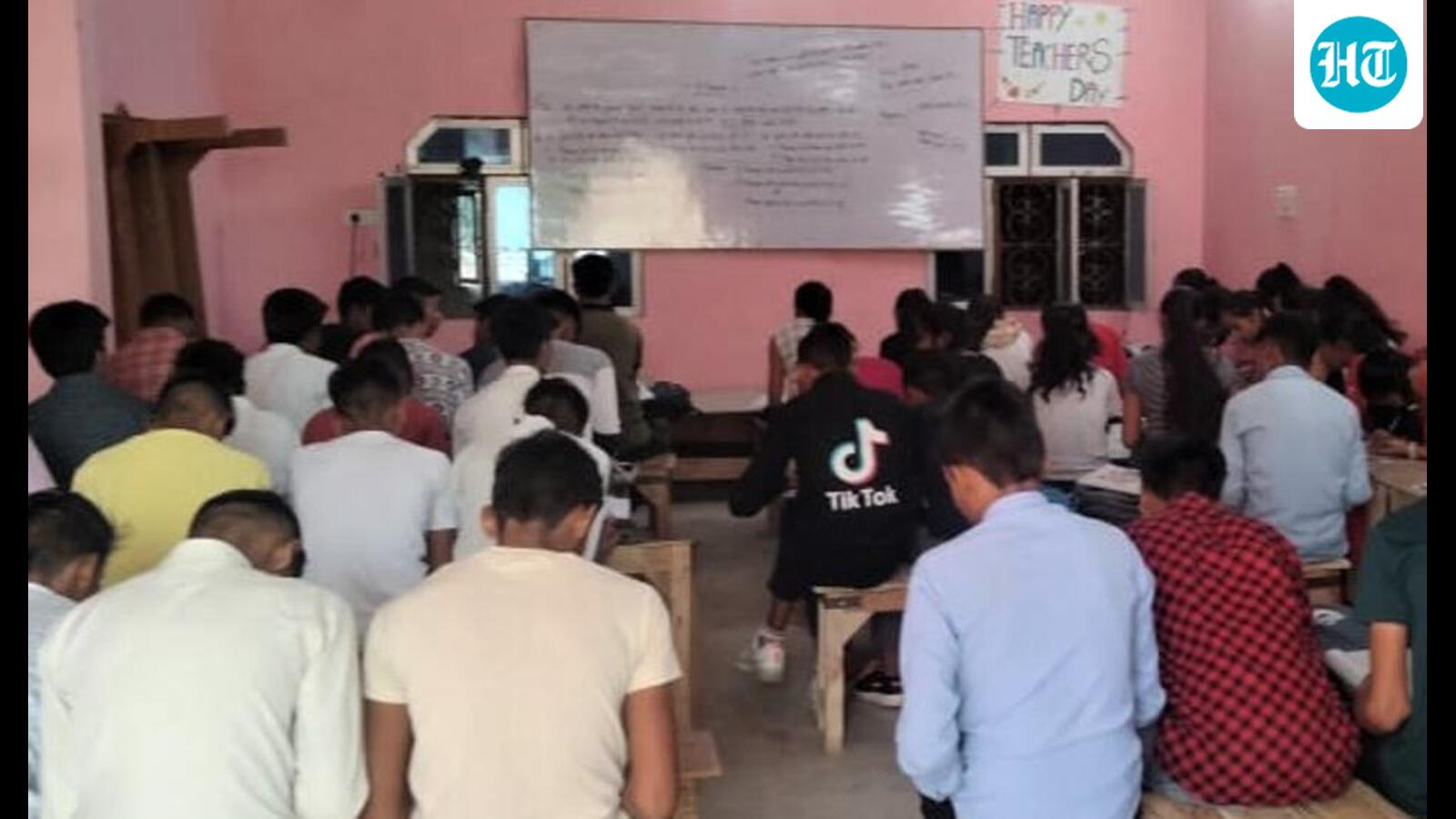
Hundreds of students in Prayagraj are facing a critical shortage of free textbooks four months into the academic year due to outdated enrollment data. Government-aided schools are struggling to bridge the gap as officials rely on previous year's U-DISE figures for distribution.
The Textbook Crisis in Prayagraj
Four months into the current academic session, a significant portion of students in classes 1 to 8 across Prayagraj, Uttar Pradesh, remains without essential learning materials. Despite government initiatives designed to provide free textbooks and workbooks to students in government-aided schools, a logistical failure has left hundreds of children without the basic tools required for their education. This delay is significantly hindering the classroom experience, as teachers and students struggle to maintain the curriculum pace without the mandated materials.
The Impact of Outdated Enrollment Data
The root cause of this shortage lies in a rigid administrative reliance on the U-DISE (Unified District Information System for Education) portal. Authorities placed orders for textbooks based on student enrollment numbers from the previous academic year. However, many government-aided schools in the region have experienced an unexpected surge in enrollment for the current session. Because the supply chain for these books is tied to historical data rather than real-time registration, newly admitted students have been excluded from the distribution process.
Administrative Bottlenecks and School Struggles
The burden of this systemic disconnect has fallen heavily on school staff. Educators and administrative personnel are being forced to make repeated, time-consuming trips to the office of the Basic Shiksha Adhikari (BSA) to petition for additional supplies. These efforts highlight a breakdown in communication between school-level requirements and district-level resource allocation. The reliance on the U-DISE snapshot from September of the previous year creates a lag that the current administrative framework is failing to accommodate.
Broader Implications for Equitable Education
This incident underscores the fragility of state-led educational support systems when they rely on static data in a dynamic environment. Education policies that aim for universal access must be supported by responsive logistics. When children are left without textbooks for nearly half an academic year, it exacerbates the learning gap, particularly for students in government-aided institutions who rely solely on these state-provided resources to keep up with their peers in private education.
Future Trends and Necessary Reforms
To prevent such occurrences in the future, the education department must move toward a more flexible procurement model that allows for mid-term adjustments based on live enrollment data. If the current trend of rising enrollment in government-aided schools continues, the existing bureaucratic process for requesting additional books will likely remain a point of contention. Future policy must prioritize the synchronization of digital enrollment portals with real-time inventory management to ensure that no student is left behind due to administrative oversight.
Verification Required?