‘Wanted to continue’: Why injured Courtois didn’t agree with Belgium coach
Source Entity
The Indian Express
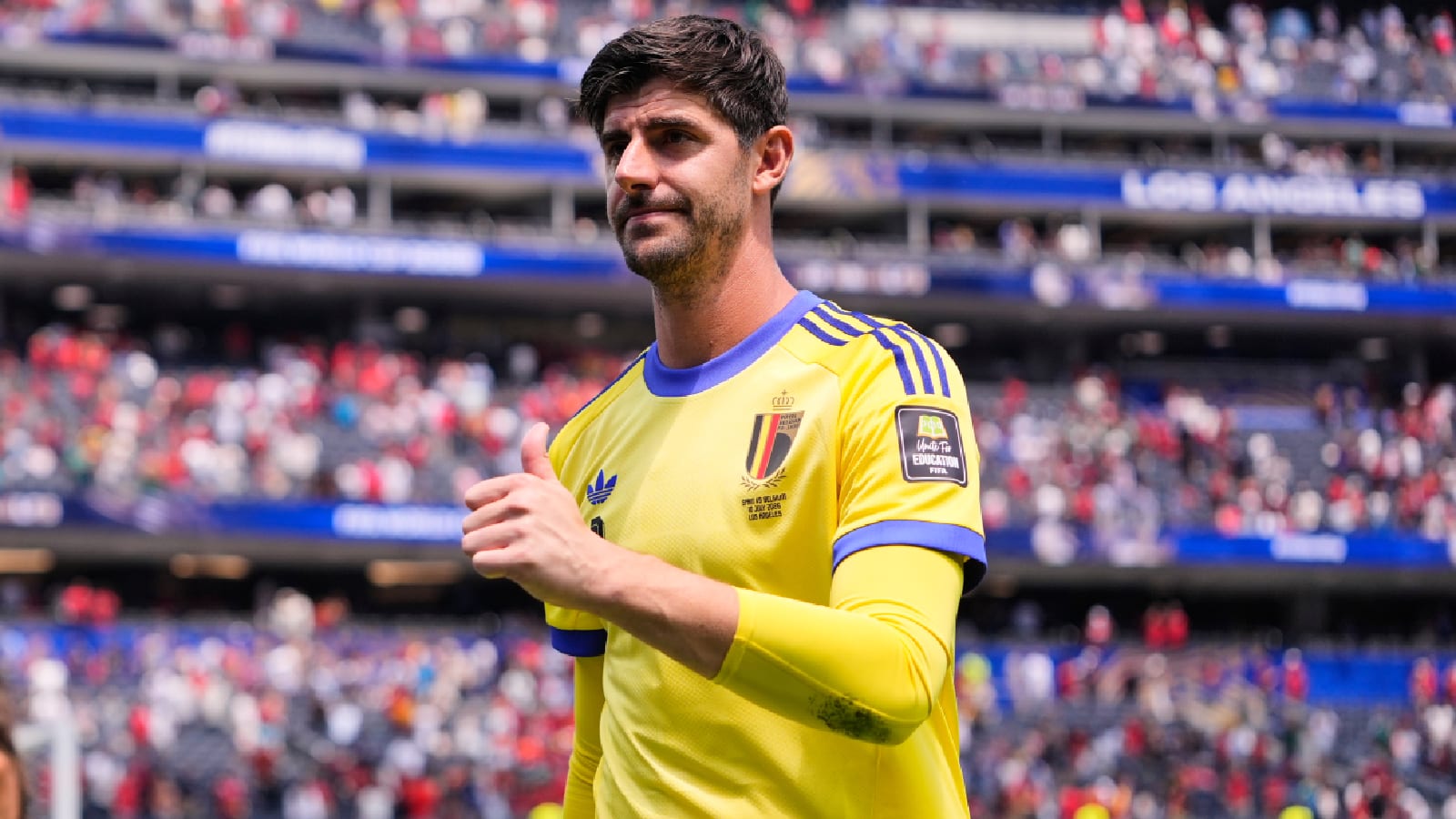
Belgium’s veteran goalkeeper Thibaut Courtois has revealed that he wanted to stay on in the quarter-final despite his leg injury, and that the decision to replace him with Senne Lammens was made by co...
The Tension Between Ambition and Caution: Courtois vs. The Coaching Staff
In the high-stakes environment of a quarter-final match, the margin for error is non-existent, and the psychological pressure on key players is immense. The recent revelation by Thibaut Courtois regarding his substitution due to a leg injury highlights a classic conflict in professional sports: the athlete's visceral drive to compete versus the manager's duty to mitigate risk. Courtois, a cornerstone of the Belgian national team, expressed a strong desire to continue playing, suggesting that his internal assessment of his physical condition differed significantly from the technical staff's evaluation.
The Psychology of the Veteran Competitor
Courtois's insistence on staying in the game is not merely about stubbornness but is deeply rooted in his role as a leader within the squad. As a veteran goalkeeper who has played at the highest levels of club and international football, Courtois views himself as the primary safeguard of the team's defensive stability. In a knockout stage like the quarter-finals, the fear of losing is often greater than the fear of injury. For a player of his caliber, the prospect of stepping aside during a pivotal moment can feel like a dereliction of duty, especially when the match's outcome could determine the trajectory of the tournament for the entire nation.
Managerial Pragmatism and Risk Mitigation
From the perspective of the Belgian coaching staff, the decision to replace Courtois with Senne Lammens was likely a calculated move based on medical necessity and long-term sustainability. Leg injuries for goalkeepers are particularly perilous; the requirements for explosive lateral movement, rapid pivoting, and powerful clearances mean that even a minor strain can escalate into a catastrophic tear if pushed. The coach's priority is not just the immediate match, but the overall health of the player and the stability of the team. By substituting Courtois, the coaching staff acted as the 'rational' voice, preventing a potential long-term injury that could have sidelined the keeper for months.
The Impact of the Substitution: Enter Senne Lammens
Replacing a world-class goalkeeper mid-match is one of the most disruptive changes a coach can make. The entry of Senne Lammens into the quarter-final introduced a new dynamic to the Belgian defense. While Lammens represents the next generation of Belgian goalkeeping talent, the sudden shift in communication and chemistry between the goalkeeper and the backline can create momentary vulnerabilities. This transition underscores the immense pressure placed on backup keepers to be 'match-ready' at a moment's notice, regardless of the magnitude of the game.
Historical Context of the 'Golden Generation'
This incident occurs against the backdrop of Belgium's 'Golden Generation,' a period where the team boasted some of the world's best talent in every position. Courtois has been the bedrock of this era. His desire to push through pain reflects the culture of this squad—a group that has consistently fought to translate individual brilliance into tournament success. The tension between the player and the coach is a symptom of the desperation to finally secure a major trophy, where every single minute on the pitch is viewed as a precious opportunity.
Future Implications for the Belgian Squad
Moving forward, this disagreement may prompt a deeper discussion within the Belgian camp regarding injury management and the trust between players and medical staff. Furthermore, it highlights the necessity of developing a secondary goalkeeper who can provide the same level of psychological security as Courtois. If the team continues to rely almost exclusively on one veteran, any injury—regardless of whether the player wants to continue—becomes a potential crisis point for the national team's ambitions.
Summary
The conflict between Thibaut Courtois and his coach serves as a poignant example of the intersection between athletic willpower and professional medical management. While Courtois's desire to play speaks to his commitment and leadership, the coach's decision to introduce Senne Lammens was a necessary safeguard against a potentially career-altering injury. This event emphasizes the fragility of tournament runs and the complex dynamics of managing elite athletes under extreme pressure.