Who is Nidal Hasan? Trump approves firing squad execution of 2009 Fort Hood shooter who killed 13 people in deadly massacre
Source Entity
Latest News: Todays Latest News Headlines from India & World | Hindustan Times | Hindustan Times
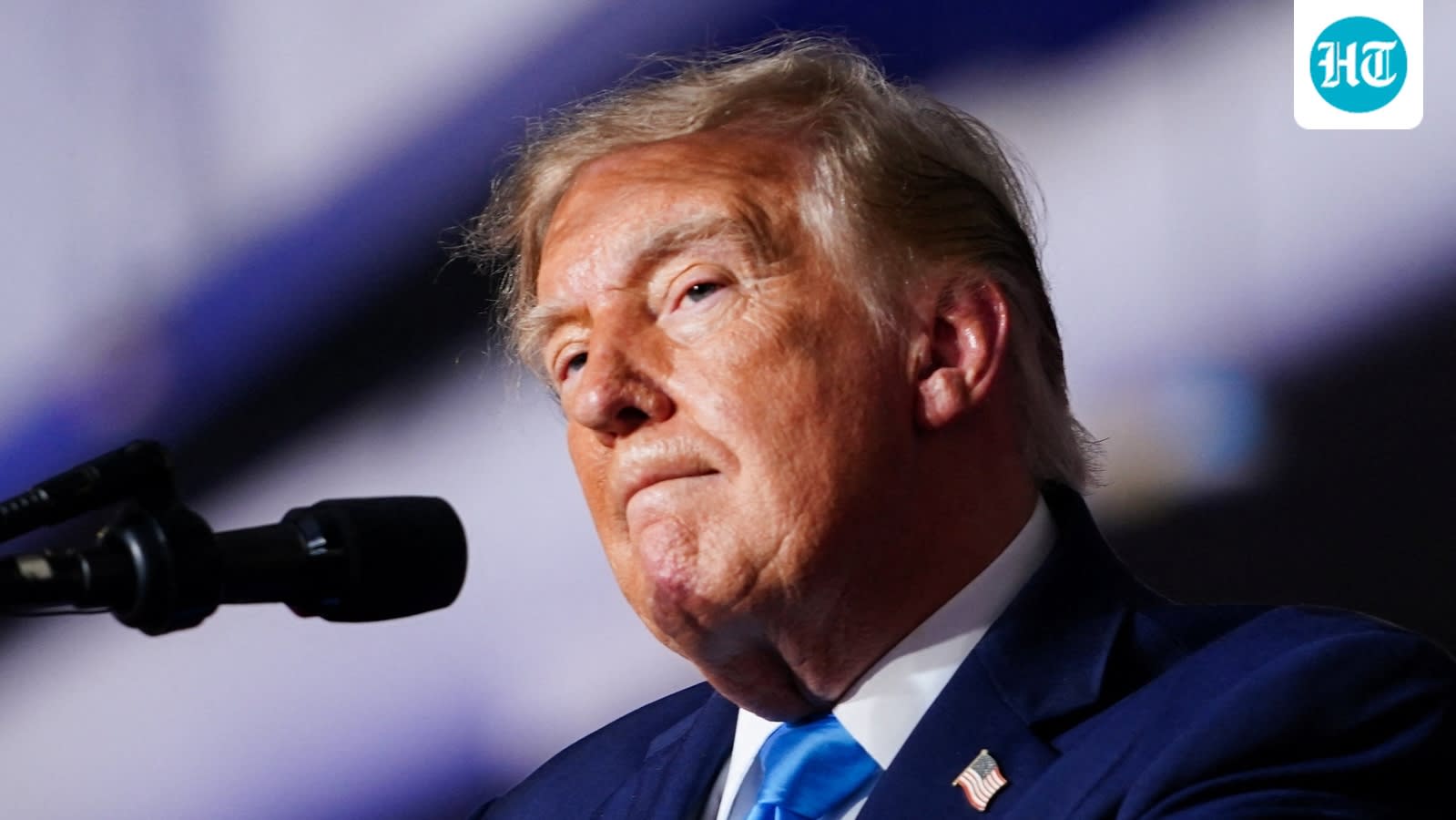
President Donald Trump has authorized the execution of Nidal Hasan, the perpetrator of the 2009 Fort Hood mass shooting, by a U.S. Army firing squad. This decision, recommended by Defense Secretary Pete Hegseth, marks a historic shift in military justice as the first such execution since 1961.
The Resumption of Military Executions: The Case of Nidal Hasan
A Historic Shift in Military Justice
In a significant development for the U.S. military justice system, President Donald Trump has officially approved the execution of Nidal Hasan, a former Army psychiatrist convicted for the 2009 Fort Hood shooting spree. The decision, which comes following a recommendation from Defense Secretary Pete Hegseth, signals a departure from decades of administrative stagnation regarding military death sentences. This event is historically notable as it would represent the first execution of a service member by the U.S. armed forces since 1961, when Army Pvt. John Bennett was executed for capital crimes committed in Austria.
Contextualizing the Fort Hood Tragedy
To understand the gravity of this order, one must revisit the events of November 2009 at Fort Hood, Texas. Nidal Hasan, then an Army Major, opened fire on unarmed troops, resulting in the deaths of 13 individuals and leaving 32 others wounded. The attack was marked by reports of the assailant shouting religious slogans, an act that deeply impacted the military community and underscored the vulnerability of personnel on domestic bases. Hasan was subsequently convicted and sentenced to death during a 2013 court-martial, yet the execution remained stalled for over a decade.
The Role of Executive and Defense Leadership
Pentagon spokesperson Sean Parnell confirmed that the directive to proceed via firing squad came directly from Defense Secretary Pete Hegseth. By formalizing this path, the current administration is utilizing executive authority to finalize a case that has languished in the appellate process for years. Hegseth is now tasked with determining the specific timeline and venue for the execution, marking a decisive move in the administration's stance on military discipline and national security accountability.
Broader Implications and Legal Precedent
This decision carries profound implications for the U.S. military justice system. The use of a firing squad, while rare in modern American jurisprudence, is a recognized method within military regulations. By opting for this method, the administration is making a symbolic statement regarding the nature of Hasan’s crimes. The transition from the last military execution in 1961—which involved hanging—to the current plan highlights the evolving nature of military protocols and the administration's willingness to exercise the full extent of its sentencing power.
Future Trends and Judicial Scrutiny
As the administration moves forward, the case will undoubtedly face intense scrutiny regarding the constitutionality and the procedural logistics of military executions. The lack of a response from the White House at the time of the announcement suggests a focused, streamlined approach to the execution's implementation. Moving forward, this case will likely serve as a benchmark for how the Department of Defense addresses high-profile capital cases, potentially influencing the speed and nature of military justice enforcement in future instances of terrorism or mass violence within the ranks.
Verification Required?