Trump and Mike Johnson think the AI industry is overreacting
Source Entity
Terrence O’Brien
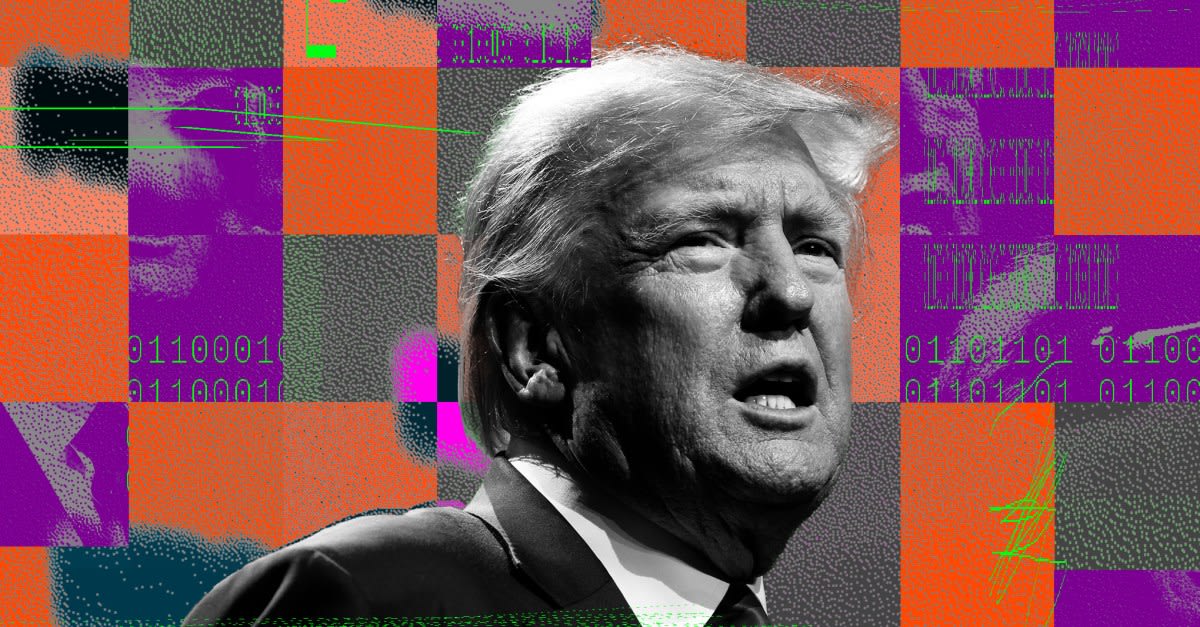
President Donald Trump has dismissed expert concerns regarding AI existential risks as exaggerated. He emphasizes maintaining US dominance in the sector to ensure a competitive advantage over China.
The Geopolitical Stakes of Artificial Intelligence
President Donald Trump has publicly rejected the warnings issued by leading artificial intelligence experts and industry executives, characterizing those raising alarms about the technology's existential risks as "very negative forces." During a recent visit to Ireland, the President addressed the growing chorus of concern regarding the rapid pace of AI development, dismissing catastrophic predictions as scenarios that "won't happen."
The Conflict Between Safety and Supremacy
The tension arises from a stark divide between the research community and the political establishment. While figures like Anthropic CEO Dario Amodei, OpenAI’s Sam Altman, and tech mogul Elon Musk have called for a measured approach to "pace the frontier," the President views these calls for regulation as potential strategic liabilities. By framing the discourse as a binary choice between safety and national dominance, the administration is prioritizing the preservation of the United States' technological lead over the precautionary warnings issued by industry insiders.
The China Factor
A recurring theme in the President’s rhetoric is the emphasis on the competitive race between the United States and China. According to reports from the Financial Times, the administration’s primary concern is that a self-imposed slowdown in AI development could inadvertently hand the geopolitical advantage to Beijing. The President’s assertion that "whoever wins AI, wins" suggests that the White House views the technology not merely as a commercial tool, but as a critical component of national security and global hegemony.
Expert Warnings vs. Political Skepticism
The skepticism from the White House comes on the heels of dramatic warnings from within the field, including those from former Anthropic researchers who have suggested that the current trajectory of development could lead to dire outcomes. Despite these warnings, the administration remains focused on the economic and strategic benefits of maintaining a leading edge. The dismissal of these experts reflects a broader political trend where the potential for immediate economic growth and military-grade technological superiority often supersedes long-term, theoretical safety concerns.
Legislative and Regulatory Outlook
House Speaker Mike Johnson has joined the President in expressing skepticism toward the calls for a pause, signaling that the current legislative appetite for strict AI oversight may be limited. While the President acknowledged that the U.S. could implement "guardrails," he remains wary of any measures that might hinder the speed of innovation. This suggests that future AI policy in the U.S. will likely prioritize aggressive development while remaining largely unswayed by the "doomer" narratives currently circulating among top tech executives and researchers.
Conclusion
Ultimately, the current administration’s stance highlights the friction between the tech sector's growing apprehension about their own creations and the government’s commitment to maintaining global leadership. As long as the narrative of an "AI race" with China persists, it is unlikely that the U.S. will adopt the significant development pauses requested by industry leaders, setting the stage for a continued, high-speed arms race in artificial intelligence.