Trump to give Republicans a 3-1 FCC majority, isn't filling empty Democratic seat
Source Entity
Jon Brodkin
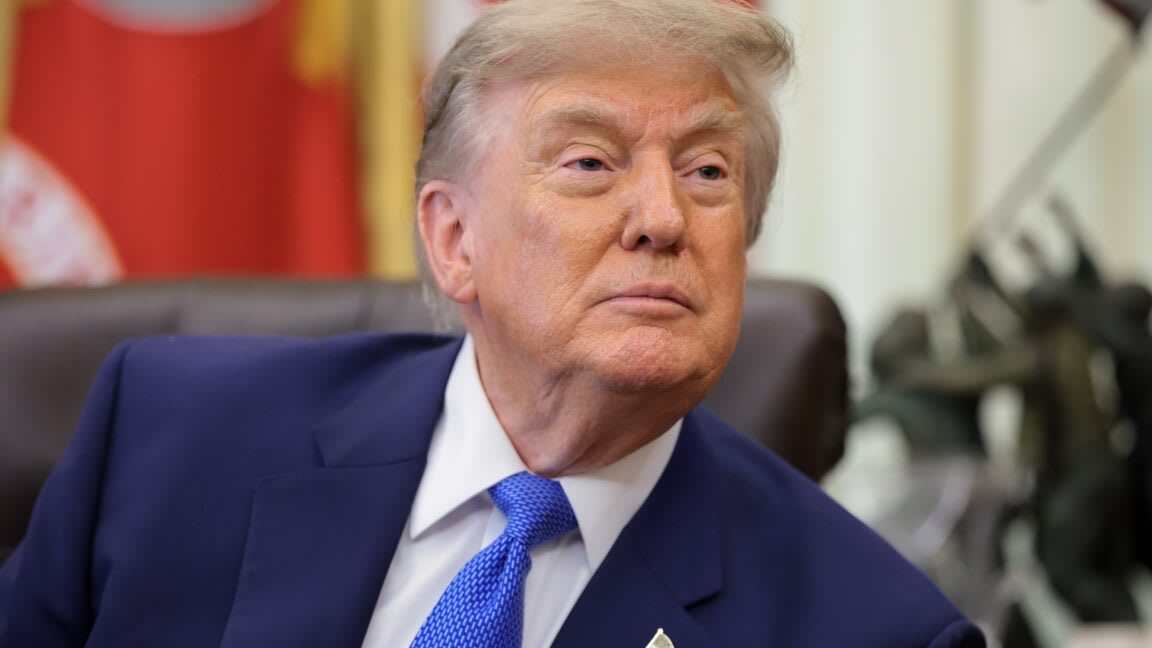
President Trump is nominating Danielle Thumann Severs to the FCC, creating a 3-1 Republican majority. This move breaks historical norms of maintaining a 3-2 partisan balance by leaving a Democratic seat vacant.
Shifting Dynamics at the FCC
President Trump’s recent decision to nominate Danielle Thumann Severs to the Federal Communications Commission (FCC) marks a significant departure from long-standing administrative traditions. By filling an existing vacancy with a Republican candidate while choosing to leave the corresponding Democratic seat empty, the administration is effectively establishing a 3-1 partisan majority. This decision breaks the historical convention where the FCC typically maintains a 3-2 split, ensuring that the party in power holds a narrow one-vote advantage.
The Erosion of Historical Norms
Historically, the composition of independent regulatory commissions like the FCC has been governed by a spirit of bipartisan balance. The standard practice has been for the president and the Senate to collaborate to ensure that the minority party retains two seats, providing a check on the majority’s agenda. By opting to maintain a 3-1 ratio, the administration is signaling a shift toward a more unilateral approach to telecommunications policy, prioritizing internal alignment over the traditional checks and balances inherent in a balanced commission.
Impact of the 3-1 Majority
Operating with a 3-1 majority fundamentally alters the power structure within the FCC. With Danielle Thumann Severs—a lawyer currently serving as senior counsel to Chairman Brendan Carr—poised to join the ranks, the commission’s ability to advance regulatory priorities becomes significantly more streamlined. This configuration reduces the procedural friction often associated with bipartisan oversight, potentially accelerating shifts in net neutrality, media ownership regulations, and broadband infrastructure policies that define the current administration's goals.
Legal and Administrative Context
It is noteworthy that despite recent legal victories, such as those at the Supreme Court level, the administration has refrained from attempting to fire the remaining FCC Democrat. This suggests a calculated strategy: rather than engaging in potentially volatile personnel conflicts, the administration is choosing to reshape the commission by controlling the appointment process and deliberately leaving the opposition seat vacant. This approach minimizes direct confrontation while achieving the desired ideological control over the agency.
Future Implications for Regulatory Policy
Looking ahead, this 3-1 structure is likely to define the trajectory of telecommunications oversight for the remainder of the term. Without a second Democratic commissioner to provide a counter-narrative or procedural roadblocks, the Republican majority can exert greater influence over the FCC’s agenda. This shift highlights a broader trend of regulatory agencies moving away from consensus-based governance toward more partisan, agenda-driven decision-making processes.
Conclusion
The nomination of Danielle Thumann Severs is more than a simple appointment; it is a strategic maneuver that redefines the operational culture of the FCC. By abandoning the 3-2 balance, the administration has secured a clearer path for its policy objectives, setting a precedent that may influence how future administrations approach the composition of independent federal agencies.