Trump to speak to Putin about plague lab worker's death in Russia
Source Entity
BBC News
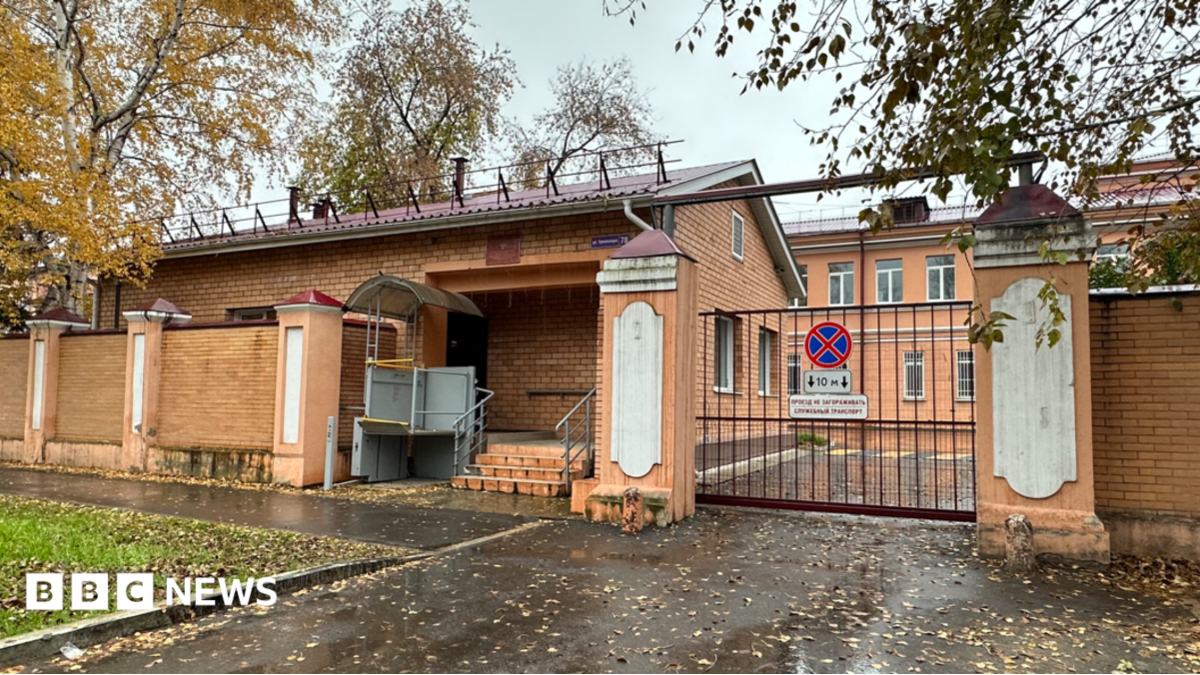
President Trump and the WHO are seeking clarity from Russia regarding a laboratory worker's death in Siberia. Concerns persist over potential exposure to pneumonic plague amid reports of pneumonia in a second employee.
Investigating a Potential Biological Hazard in Siberia
The international community is currently focused on an unfolding situation in Siberia, where the death of a laboratory employee at a specialized anti-plague facility has triggered significant global concern. President Donald Trump has confirmed that he intends to discuss the matter directly with Russian President Vladimir Putin, signaling the diplomatic urgency surrounding the incident. This development underscores the delicate intersection of public health, biosecurity, and international relations.
The Ambiguity of the Causative Agent
Despite the gravity of the situation, there is a notable lack of clarity regarding the specific cause of death. Maria Van Kerkhove, the WHO director of Epidemic and Pandemic Management, has explicitly stated that the agency has not yet identified the 'causative agent' involved in the technician's death on October 2. The uncertainty is compounded by reports of a second employee suffering from pneumonia of an undetermined cause, which has prompted the WHO to formally request further transparency and data from Russian authorities.
Russia's Response and Official Stance
Russia’s public health watchdog, Rospotrebnadzor, has maintained a cautious position, officially distancing the incident from any link to the pneumonic plague. The agency claims that 'extensive' testing has failed to produce evidence of the pathogen in the deceased worker. However, this denial has not satisfied global health observers, who remain wary of the potential risks associated with laboratory environments specializing in high-consequence pathogens.
The Role of U.S. Intelligence and Diplomacy
President Trump’s involvement highlights the role of the U.S. intelligence community in monitoring global biological threats. By characterizing the current U.S. assessment as 'very deep discussions,' the administration suggests that there is a significant effort to verify the risks posed by the Russian research institute. The promise of a follow-up report indicates that the U.S. is closely tracking whether this event represents a localized health issue or a broader risk to regional and international biosafety.
Broader Implications for Global Biosecurity
This incident serves as a stark reminder of the inherent risks associated with high-security research laboratories. When facilities handle agents capable of causing pandemics—such as plague—transparency is not merely a diplomatic courtesy but a global public health necessity. The current impasse between the WHO's request for information and Russia's internal assessments highlights the ongoing challenges in coordinating global health responses when potential biological threats intersect with national security interests.
Future Trends in Pandemic Preparedness
Looking forward, the international community will likely place increased pressure on standardized reporting protocols for laboratory accidents involving high-consequence pathogens. The uncertainty surrounding this case may serve as a catalyst for renewed calls to strengthen international monitoring frameworks, ensuring that such 'pneumonia of undetermined cause' cases are met with immediate, transparent, and collaborative diagnostic efforts rather than diplomatic friction.
Multiple Citing Sources