Trump’s SEC nominee Johnson backs formal rulemaking for tokenized stock trading
Source Entity
Cointelegraph by Nate Kostar
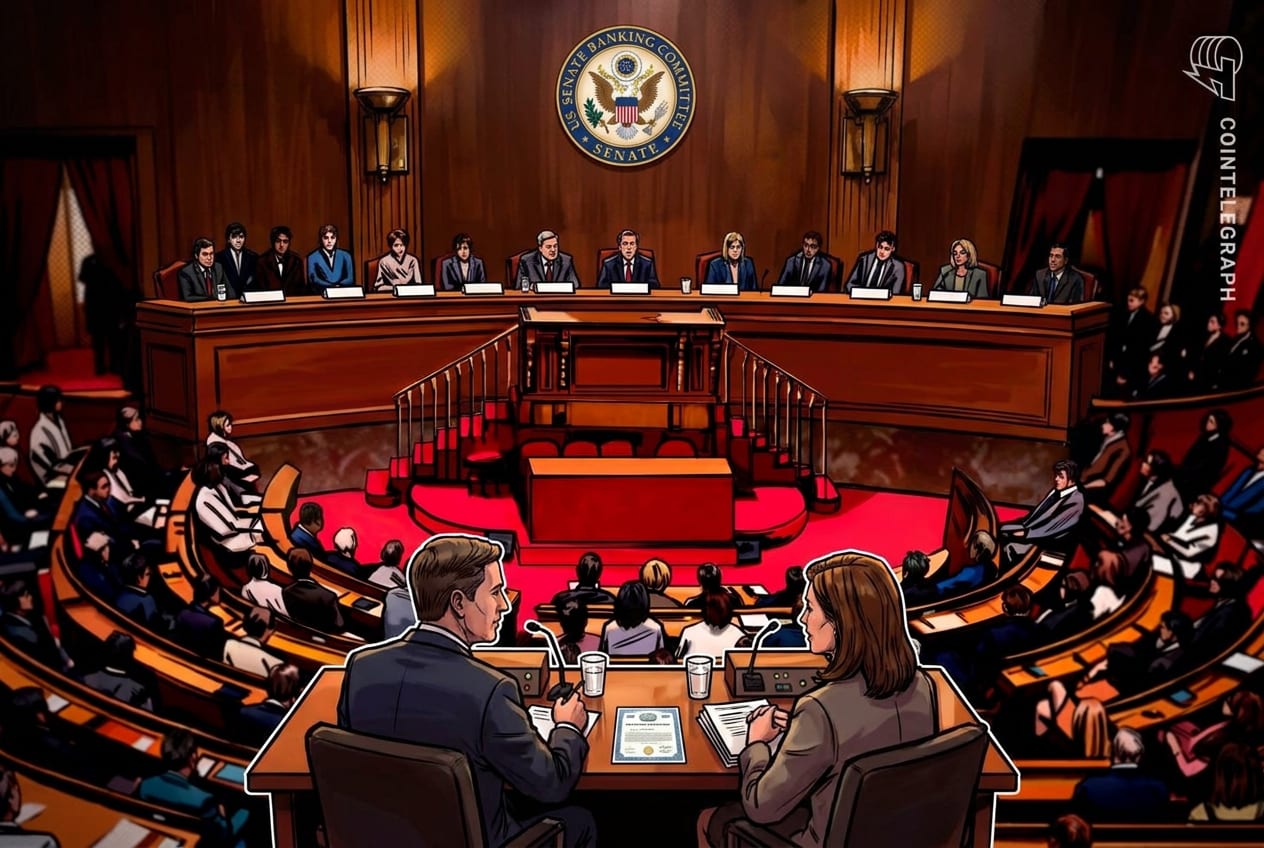
President Trump's SEC nominees, Kristin Johnson and Steven Levine, faced Senate scrutiny regarding tokenized securities and regulatory oversight. Johnson specifically advocated for formal rulemaking to improve the agency's current exemption processes for tokenized stock trading.
The Future of Tokenized Securities Regulation
During a recent Senate Banking Committee confirmation hearing, President Donald Trump’s nominees for the Securities and Exchange Commission (SEC), Kristin Johnson and Steven Levine, were subjected to rigorous questioning regarding the future of financial oversight. The hearing centered on the balancing act between fostering financial innovation and maintaining robust investor protections. A key point of contention was the SEC’s current approach to tokenized securities, a burgeoning sector that blends traditional financial instruments with blockchain technology.
The Shift Toward Formal Rulemaking
Kristin Johnson, a former Commissioner at the Commodity Futures Trading Commission (CFTC), took a definitive stance on how the SEC should handle the complexities of tokenized stock trading. In response to inquiries from Senator Angela Alsobrooks, Johnson expressed a strong preference for formal rulemaking. This approach would replace or augment the current exemption-based framework, which critics argue lacks the transparency and public input necessary for such a high-stakes financial shift.
Prioritizing Transparency and Public Input
Johnson emphasized that regulatory efficacy is significantly enhanced through the 'notice and comment' period. By moving away from ad-hoc exemptions—such as the one issued by the SEC on September 17—and toward a standardized rulemaking process, the agency could invite feedback from market participants, technologists, and investor advocates. This methodology is intended to create a more resilient regulatory environment that can withstand the rapid evolution of digital asset markets.
Balancing Innovation with Investor Protection
The broader implication of this testimony is a potential pivot in SEC policy. For years, the agency has relied on enforcement actions and specific exemptions to manage the intersection of crypto-assets and traditional securities. Johnson’s testimony suggests that the incoming administration may favor a more structured, predictable legal framework. Such a move would likely be welcomed by institutional investors seeking clarity before committing significant capital to tokenized assets.
Navigating the Regulatory Landscape
As the SEC faces pressure to modernize, the focus on tokenized securities serves as a bellwether for how the agency will treat other digital assets. The confirmation of Johnson and Levine will likely dictate whether the SEC continues its current path or adopts a more comprehensive, rule-based approach. The Senate's scrutiny underscores the legislative branch's intent to remain deeply involved in the oversight of financial innovation, ensuring that technological progress does not come at the expense of market integrity.
Conclusion
The testimony provided by Kristin Johnson marks a critical juncture for U.S. financial regulation. By championing formal rulemaking over temporary exemptions, she has signaled a desire for a more collaborative and transparent regulatory process. As the SEC prepares to integrate tokenized assets into the broader market, the shift toward public comment and standardized rules will be essential in building a sustainable and secure financial future.