Trump says US will ‘take over’ Hormuz in biggest blow to fragile Iran deal
Source Entity
The Indian Express
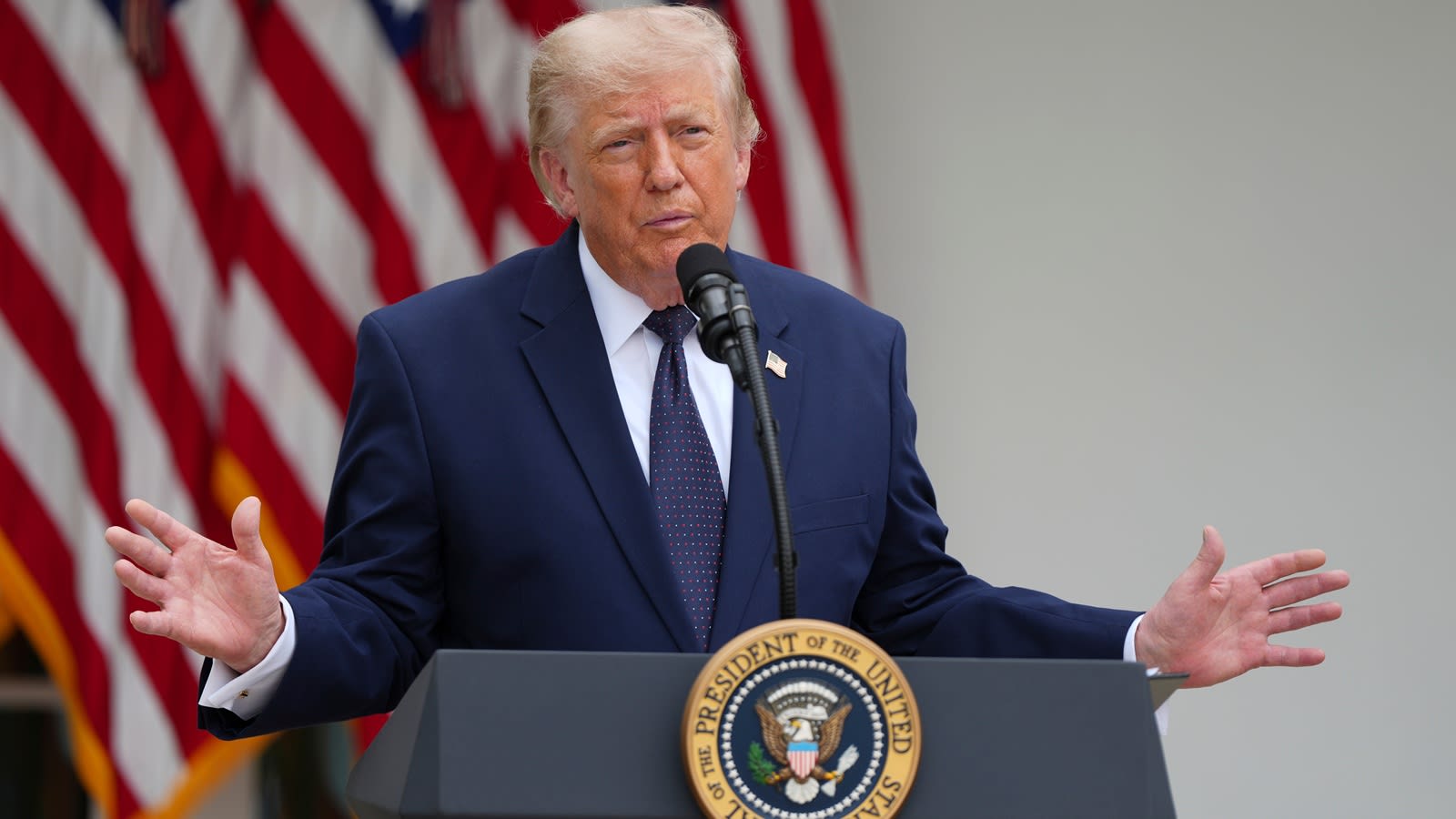
US President Donald Trump on Monday said that the United States will “take over” the Strait of Hormuz and should be reimbursed for controlling the strategic waterway as hostilities in West Asia contin...
US Assertion of Control Over the Strait of Hormuz: A Geopolitical Flashpoint
In a move that has sent shockwaves through international diplomatic circles, President Donald Trump has announced that the United States intends to "take over" the Strait of Hormuz. This provocative statement not only signals a dramatic escalation in the ongoing confrontation between Washington and Tehran but also introduces a transactional element to maritime security, as the President suggested the US should be reimbursed for its efforts in controlling the waterway. This development represents one of the most significant blows to the already fragile diplomatic relations and the remnants of the nuclear deal framework, pushing the region toward a state of high alert.
The Strategic Criticality of the Strait
To understand the gravity of this announcement, one must recognize that the Strait of Hormuz is perhaps the most important oil chokepoint in the world. Connecting the Persian Gulf with the Gulf of Oman and the Arabian Sea, it is the primary artery for the export of oil from Saudi Arabia, Iraq, the UAE, Kuwait, and Iran. A significant portion of the world's total oil consumption passes through this narrow passage daily. By claiming a "takeover," the US is effectively asserting dominance over the global energy supply chain, a move that could allow the US to dictate terms of trade or blockade adversaries, thereby wielding immense economic leverage over both allies and enemies.
Historical Context of US-Iran Hostilities
This escalation does not occur in a vacuum but is the culmination of years of "Maximum Pressure" tactics. Following the US withdrawal from the Joint Comprehensive Plan of Action (JCPOA), tensions have fluctuated between diplomatic stalemates and kinetic skirmishes. The history of the region is marked by the "Tanker War" of the 1980s, where commercial shipping was targeted during the Iran-Iraq war. Trump's current rhetoric echoes a desire to return to a position of absolute hegemony in the region, moving beyond deterrence toward active operational control of strategic assets to force Iran back to the negotiating table on US terms.
The Transactional Approach to Security
One of the most striking aspects of the President's statement is the demand for reimbursement. This reflects a hallmark of the Trump administration's foreign policy: treating security guarantees and military presence as a service to be paid for by beneficiary nations. By framing the control of the Strait of Hormuz as a billable service, the US is likely targeting its Gulf allies, suggesting that the protection of their oil exports is a costly endeavor that the US should not bear alone. This approach risks alienating partners who may view such demands as opportunistic rather than strategic.
Potential for Global Economic Volatility
The immediate implication of such a bold claim is extreme volatility in the global energy markets. Oil prices are hypersensitive to any perceived threat to the flow of crude through Hormuz. The mere suggestion of a US "takeover"—which Iran would likely view as an act of aggression or an illegal occupation—could trigger preemptive strikes or mining of the waterway by Iranian forces. Such a scenario would lead to an immediate spike in oil prices, fueling global inflation and destabilizing economies that are heavily dependent on Middle Eastern energy imports.
Future Trends and Geopolitical Risks
Looking forward, this rhetoric sets the stage for a dangerous game of brinkmanship. If the US proceeds with increased naval deployments to enforce this "takeover," Iran is likely to respond with asymmetric warfare, potentially targeting US assets or disrupting shipping to prove that the US cannot maintain absolute control. The long-term trend suggests a shift away from multilateral diplomacy toward a unilateralist security architecture. The fragility of the current peace depends on whether this statement is interpreted as a negotiating tactic to extract concessions from Iran or a genuine precursor to a military occupation of the waterway.
Summary
President Trump's assertion of control over the Strait of Hormuz transforms a strategic chokepoint into a tool of political and economic leverage. By combining military ambition with a demand for financial reimbursement, the US has heightened the risk of direct conflict with Iran and introduced unprecedented uncertainty into the global oil market. The outcome of this stance will likely determine the future of US leadership in West Asia and the stability of global energy security.