Trump: U.S. should be reimbursed for guarding Strait of Hormuz
Source Entity
US Top News and Analysis
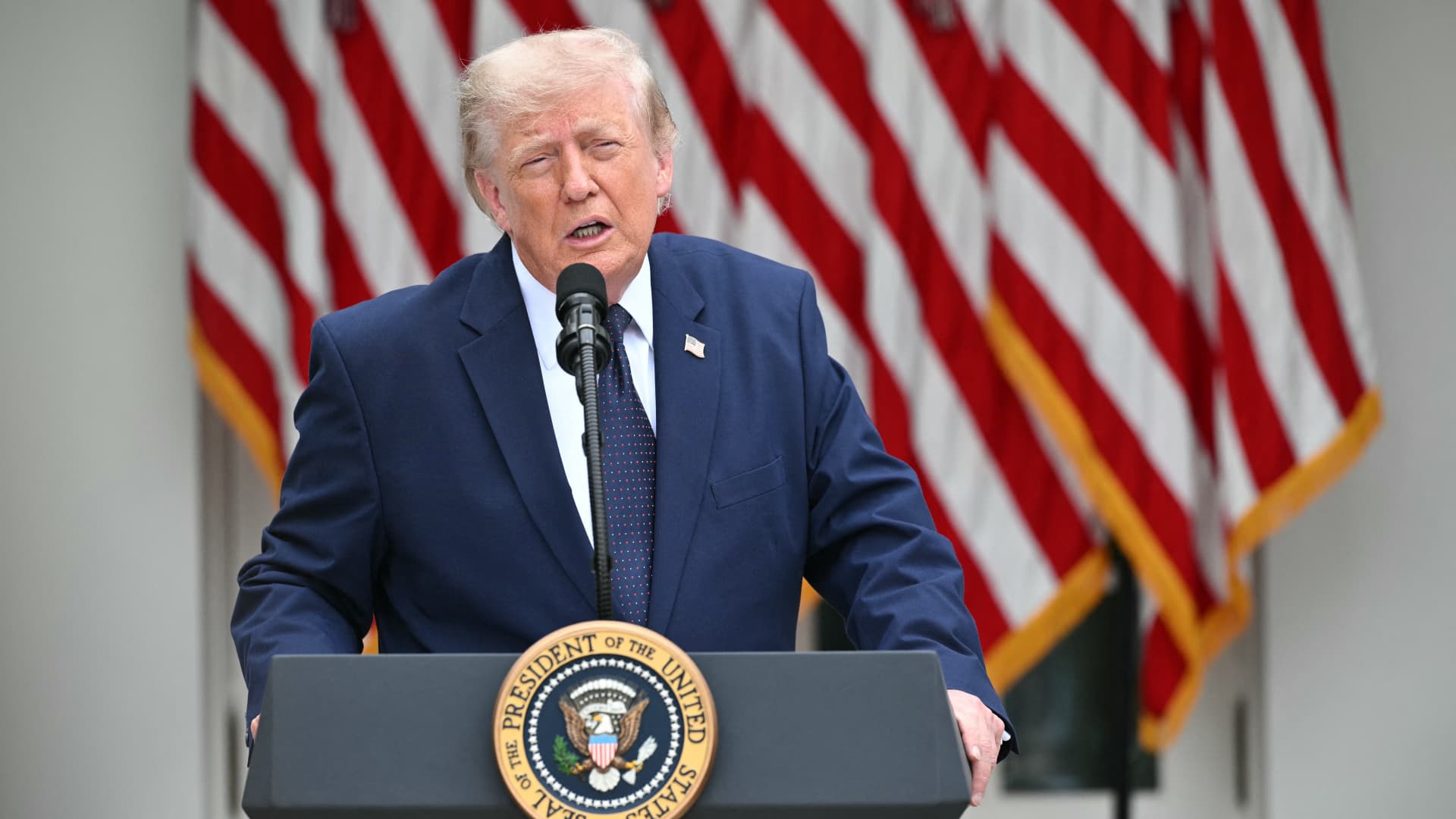
The Strait of Hormuz is a major oil-shipping route and the epicenter of the U.S. and Israel's ongoing war with Iran.
The Cost of Security: Analyzing Trump's Proposal for Hormuz Reimbursement
Former President Donald Trump has reignited a debate over the financial burden of U.S. military presence abroad by suggesting that the United States should be reimbursed for guarding the Strait of Hormuz. This narrow waterway, connecting the Persian Gulf with the Gulf of Oman, is one of the world's most strategically significant maritime chokepoints. By framing national security as a service that should be paid for by beneficiaries, Trump is applying a transactional lens to one of the most volatile regions in the world.
The Transactional Approach to Geopolitics
This proposal is a hallmark of Trump's "America First" foreign policy, which views traditional security guarantees not as diplomatic imperatives, but as financial liabilities. Similar to his previous criticisms of NATO allies regarding their defense spending, the call for reimbursement for the Strait of Hormuz suggests that the U.S. should no longer bear the unilateral cost of maintaining global commons. From this perspective, the security of oil shipping lanes is a global public good that benefits numerous nations and corporations, and therefore, the cost of ensuring that safety should be shared among those who profit from it.
The Strategic Importance of the Strait of Hormuz
To understand the gravity of this proposal, one must recognize the Strait's role in the global economy. A significant portion of the world's total oil consumption passes through this corridor daily. Any disruption—whether through Iranian naval blockades, mine-laying, or direct military conflict—would lead to an immediate and drastic spike in global energy prices. The U.S. Navy's presence in the region serves as a deterrent against such disruptions, ensuring the free flow of commerce. However, maintaining a carrier strike group and various surveillance assets in such a high-tension environment is an immense financial undertaking.
The Shadow of Conflict: Iran and Israel
The context of this proposal is inextricably linked to the ongoing hostilities between Iran and its adversaries, most notably Israel and the United States. The Strait of Hormuz has become the epicenter of this "gray zone" warfare, where tensions frequently escalate into ship seizures and drone strikes. As Iran seeks to leverage its geographic position to exert pressure on Western sanctions, the U.S. military is forced into a constant state of readiness. This ongoing war of attrition increases the operational costs for the U.S., providing the catalyst for Trump's argument that the U.S. is providing a high-value security service for which it is not being compensated.
Potential Implications and Future Trends
If such a policy were implemented, it could fundamentally alter U.S. diplomatic relations with Gulf allies and energy-importing nations. Forcing allies to pay for the "guarding" of the Strait could be perceived as a protection racket by some, or a fair distribution of costs by others. In the long term, this could lead to a shift where regional powers—such as Saudi Arabia or the UAE—are forced to take a more primary role in their own maritime security, potentially reducing U.S. influence in the region while simultaneously reducing the American taxpayer's burden.
Conclusion
Ultimately, Donald Trump's assertion that the U.S. should be reimbursed for its role in the Strait of Hormuz highlights a deepening divide in how the U.S. views its role as a global superpower. While the traditional view emphasizes the strategic necessity of leadership and stability, the transactional view emphasizes fiscal sustainability and shared responsibility. As tensions between Iran and Israel continue to simmer, the question of who pays for the security of the world's oil supply will remain a central point of contention in U.S. foreign policy.