30 years later, a former rival will stand trial for Tupac's murder
Source Entity
BBC News
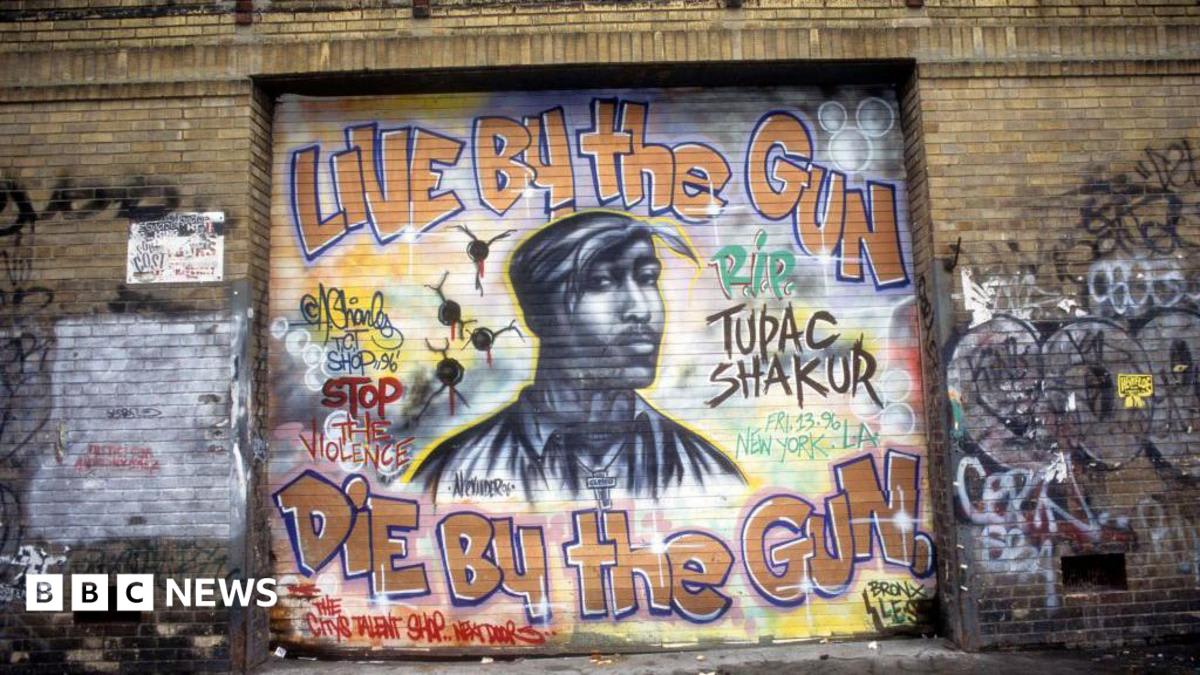
Thirty years after the murder of Tupac Shakur, former gang leader Duane 'Keffe D' Davis is set to stand trial in Las Vegas. The case, long considered a cold mystery, was reignited following Davis's own 2019 memoir.
The Long Road to Justice for Tupac Shakur
Thirty years have passed since the tragic drive-by shooting of hip-hop icon Tupac Shakur on September 7, 1996, in Las Vegas. For decades, his death remained one of the most enigmatic mysteries in American popular culture, fueling endless conspiracy theories and deep-seated frustration among fans and investigators alike. The delay in finding a suspect turned the case into a symbol of unsolved violence that shadowed the burgeoning hip-hop industry throughout the late 1990s and early 2000s.
The Turning Point of a Cold Case
The investigation, which had effectively gone cold for over two decades, saw a dramatic shift in 2019. Duane "Keffe D" Davis, a former gang leader, released a tell-all memoir detailing his involvement in the events surrounding the fatal night. This unexpected disclosure provided investigators with the leverage needed to revisit the evidence, eventually leading to his arrest in 2023. The transition from an unsolved mystery to a formal criminal proceeding marks a historic moment in music history.
Charges and Legal Stakes
Duane Davis is currently facing charges of murder with a deadly weapon, with the prosecution alleging that his actions were intended to promote or assist a criminal gang. At 63 years old, Davis has entered a plea of not guilty. The legal proceedings in Las Vegas carry immense weight, as a conviction would result in a sentence of life in prison without the possibility of parole, finally offering a judicial conclusion to a tragedy that has lingered for nearly a generation.
Cultural Impact and Hip-Hop History
The killing of Tupac Shakur was a watershed moment that fundamentally altered the trajectory of hip-hop. Shakur was not merely a musician; he had become a cultural icon whose influence transcended the genre. His death exacerbated the infamous East Coast-West Coast rivalry, a period of heightened tensions that claimed multiple lives and defined the era's music scene. The trial promises to shed light on these historical intricacies and the gang dynamics that fueled the violence.
A Legacy Reimagined
As the trial approaches, it serves as a reminder of the enduring power of Shakur’s legacy. Despite the violence that cut his life short, his reputation has only grown in the three decades since his passing. Whether the court proceedings provide the closure that the public has sought for thirty years remains to be seen, but the trial itself stands as a testament to the fact that even decades-old cold cases are subject to the reach of modern investigative scrutiny.