‘What’s wrong in replacing him?’: Uddhav seeks education minister Pradhan’s resignation over NEET
Source Entity
The Indian Express
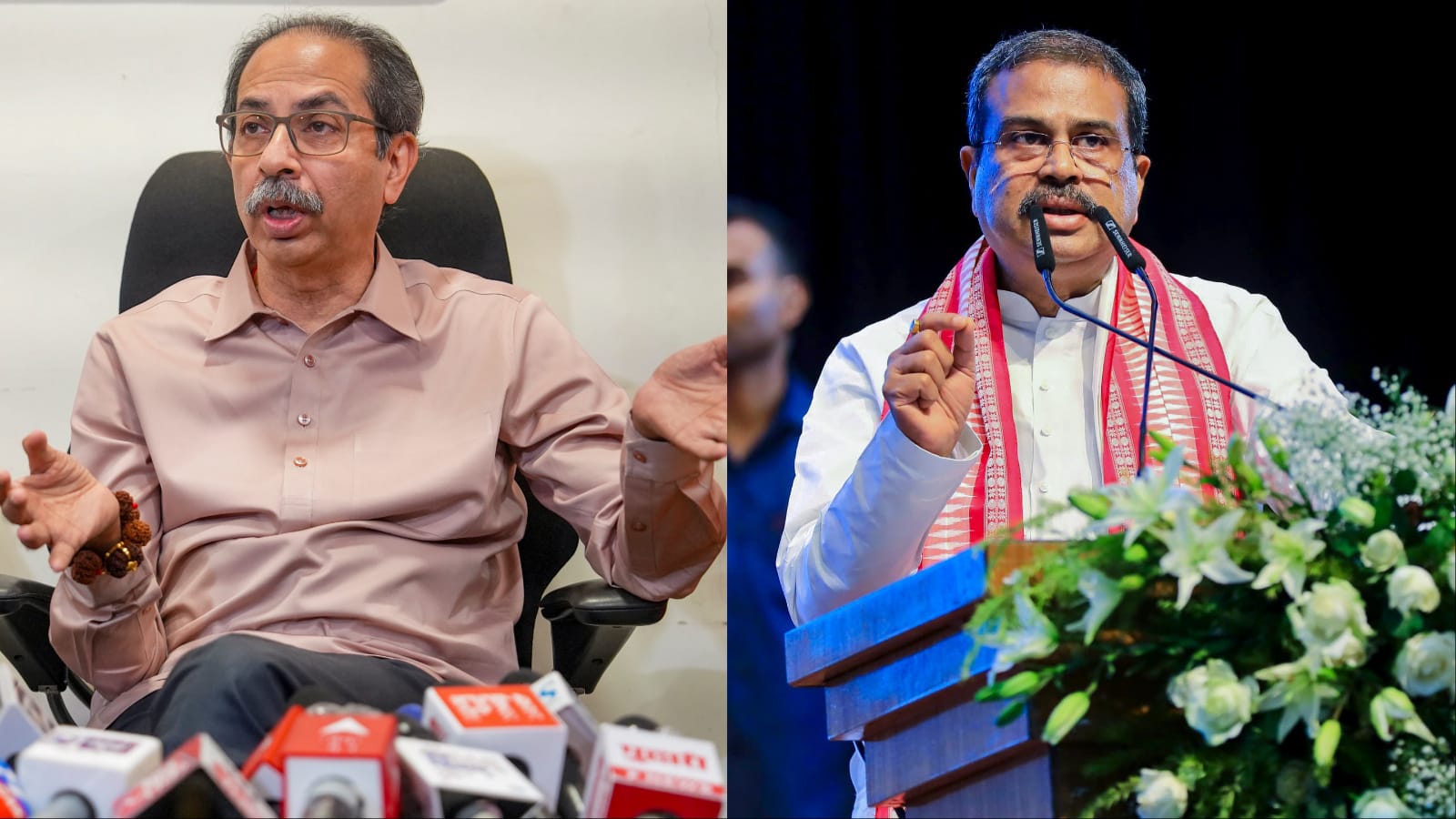
Throwing his party’s weight behind the ongoing nationwide agitation against the NEET paper leak, Shiv Sena (UBT) chief Uddhav Thackeray on Monday demanded the resignation of Union Education Minister D...
Political Escalation Over NEET Controversies
In a significant escalation of political tension, Shiv Sena (UBT) chief Uddhav Thackeray has formally demanded the resignation of Union Education Minister Dharmendra Pradhan. This demand comes as a direct response to the nationwide unrest and agitation surrounding the National Eligibility cum Entrance Test (NEET), which has been marred by allegations of paper leaks and systemic irregularities. By framing the issue as a matter of accountability, Thackeray is not only targeting a specific cabinet member but is challenging the central government's competence in managing one of the country's most critical academic gateways.
The Crisis of Ministerial Accountability
Thackeray's query, "What’s wrong in replacing him?", underscores a fundamental principle of parliamentary democracy: ministerial responsibility. The NEET-UG controversy has evolved beyond a mere administrative lapse into a crisis of trust. When a high-stakes examination affecting millions of students is compromised, the responsibility logically rests with the ministry overseeing the National Testing Agency (NTA). Thackeray is leveraging this sentiment to highlight a perceived lack of empathy and urgency from the Union Education Ministry in addressing the grievances of the student community and their parents.
Contextualizing the NEET Turmoil
To understand the gravity of this demand, one must look at the scale of the NEET controversy. The exam, which determines entry into medical colleges across India, has faced severe criticism due to reported paper leaks and an unprecedented inflation of marks, leading to an unusual number of perfect scores. This has created a climate of suspicion regarding the meritocracy of the process. The subsequent protests have seen students from various states taking to the streets, arguing that their hard work has been rendered meaningless by systemic corruption and administrative incompetence.
Strategic Political Positioning
From a political standpoint, Uddhav Thackeray's intervention is a strategic move to align his party with the youth and the middle class. By championing the cause of students, Shiv Sena (UBT) is positioning itself as a defender of fairness and transparency against the ruling NDA government. This alignment is particularly crucial in Maharashtra and other states where educational grievances often translate into significant electoral swings. By focusing on the 'human cost' of the leak, Thackeray is attempting to paint the current administration as detached from the struggles of the common citizen.
Systemic Failures of the NTA
This event brings into sharp focus the recurring failures of the National Testing Agency (NTA). The NEET leak is not an isolated incident but part of a broader pattern of vulnerabilities in India's competitive exam infrastructure. The demand for Pradhan's resignation serves as a catalyst for a larger conversation on whether the current regulatory framework is sufficient to prevent high-tech leaks and organized cheating syndicates. The crisis suggests that without a complete overhaul of how these exams are secured and conducted, similar demands for resignations will continue to surface.
Future Implications and Trends
Looking forward, this political pressure is likely to force the central government into more transparent corrective measures. We can expect an increase in judicial interventions, as the Supreme Court often becomes the final arbiter in such academic disputes. Furthermore, this event may accelerate the push for a more decentralized or technologically revamped examination system to minimize the risk of centralized leaks. Politically, if the government fails to provide a satisfactory resolution, the 'NEET issue' could become a rallying point for opposition parties across the ideological spectrum.
Conclusion
Uddhav Thackeray's demand for Dharmendra Pradhan's resignation is more than a partisan attack; it is a reflection of the deep-seated frustration among India's student population. While the government may resist such demands, the core issue—the integrity of national examinations—remains unresolved. The resolution of this crisis will require not just political maneuvering, but a fundamental commitment to restoring the sanctity of the medical entrance process to ensure that merit remains the sole criterion for success.