Energy bills forecast to go up by £443 a year from January as UK inflation rises again
Source Entity
BBC News
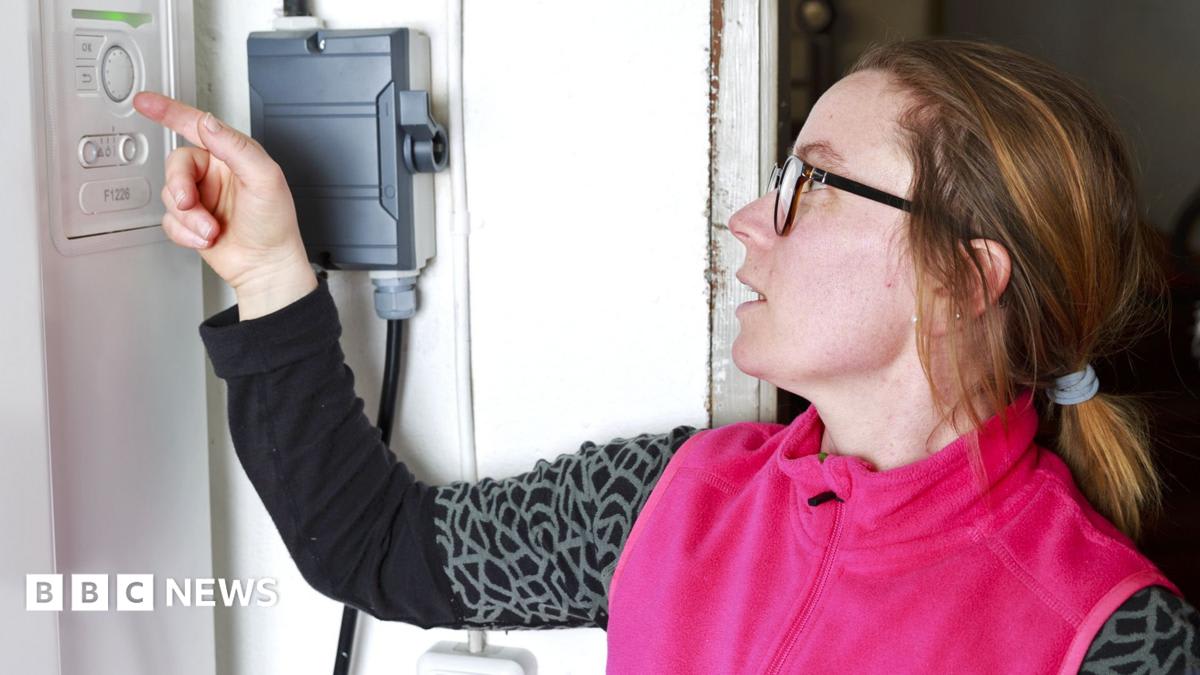
UK households face a significant £443 annual increase in energy bills starting in January as inflation rises to 3.6%. Driven by geopolitical tensions and market volatility, this 26% price cap hike places renewed pressure on the Bank of England's monetary policy.
The Impending Energy Price Crisis in the UK
Recent data indicates a concerning trajectory for the United Kingdom’s economy, with inflation climbing to 3.6% in October—the fourth consecutive monthly increase. This figure, which exceeds the Bank of England’s established 2% target, is largely fueled by the rising costs of essential goods and services, most notably energy. As the nation approaches the winter months, the convergence of macroeconomic volatility and supply chain constraints is placing unprecedented pressure on household budgets.
The Mechanics of the Price Cap Surge
At the center of this economic strain is the impending announcement from the energy regulator, Ofgem, scheduled for November 25. Consultancy firm Cornwall Insight has projected a 26% increase in the annual energy price cap. For the average household in England, Scotland, and Wales, this translates to an additional £443 per year, bringing total annual costs to approximately £2,166. This adjustment is particularly punitive given the seasonal demand for heating during the cold, dark months of early 2025.
Geopolitical Drivers of Inflation
The acceleration in energy prices is not occurring in a vacuum; it is deeply rooted in global geopolitical instability. The ongoing conflict involving the US, Israel, and Iran has introduced significant uncertainty into global energy markets. This volatility has translated into higher costs for petrol, diesel, and natural gas, which are the primary drivers of the current inflationary spike. Because these commodities are fundamental inputs for both transportation and domestic heating, their price fluctuations have a direct, cascading effect on the cost of living.
Broadening Economic Implications
Beyond the immediate impact on energy bills, the rise in inflation to its highest level in a year presents a major challenge for policymakers. The Bank of England has signaled its intent to manage this environment through interest rate adjustments, recently implementing its first rate hike in three years to temper demand. However, the persistence of inflation suggests that the economy remains vulnerable to supply-side shocks that monetary policy alone may struggle to fully mitigate.
Future Trends and Consumer Outlook
Looking ahead, the outlook remains precarious for UK consumers. With inflation trending upward, household purchasing power is being eroded, affecting not just energy consumption but also the pricing of everyday goods like groceries and fuel. Economists widely anticipate that inflation will continue to rise in the near term, suggesting that the upcoming January price cap hike may only be the beginning of a prolonged period of fiscal adjustment for the average British family.
Conclusion
The combination of a 26% increase in energy bills and a broader inflationary environment marks a critical juncture for the UK economy. As Ofgem prepares to finalize the new cap, the focus will shift to how effectively the government and the central bank can balance the need for price stability with the necessity of supporting households through a winter defined by significantly higher utility costs.