Britain is on 'thin ice,' warns ex-Bank of England chief economist — and it must act to 'appease financial markets'
Source Entity
US Top News and Analysis
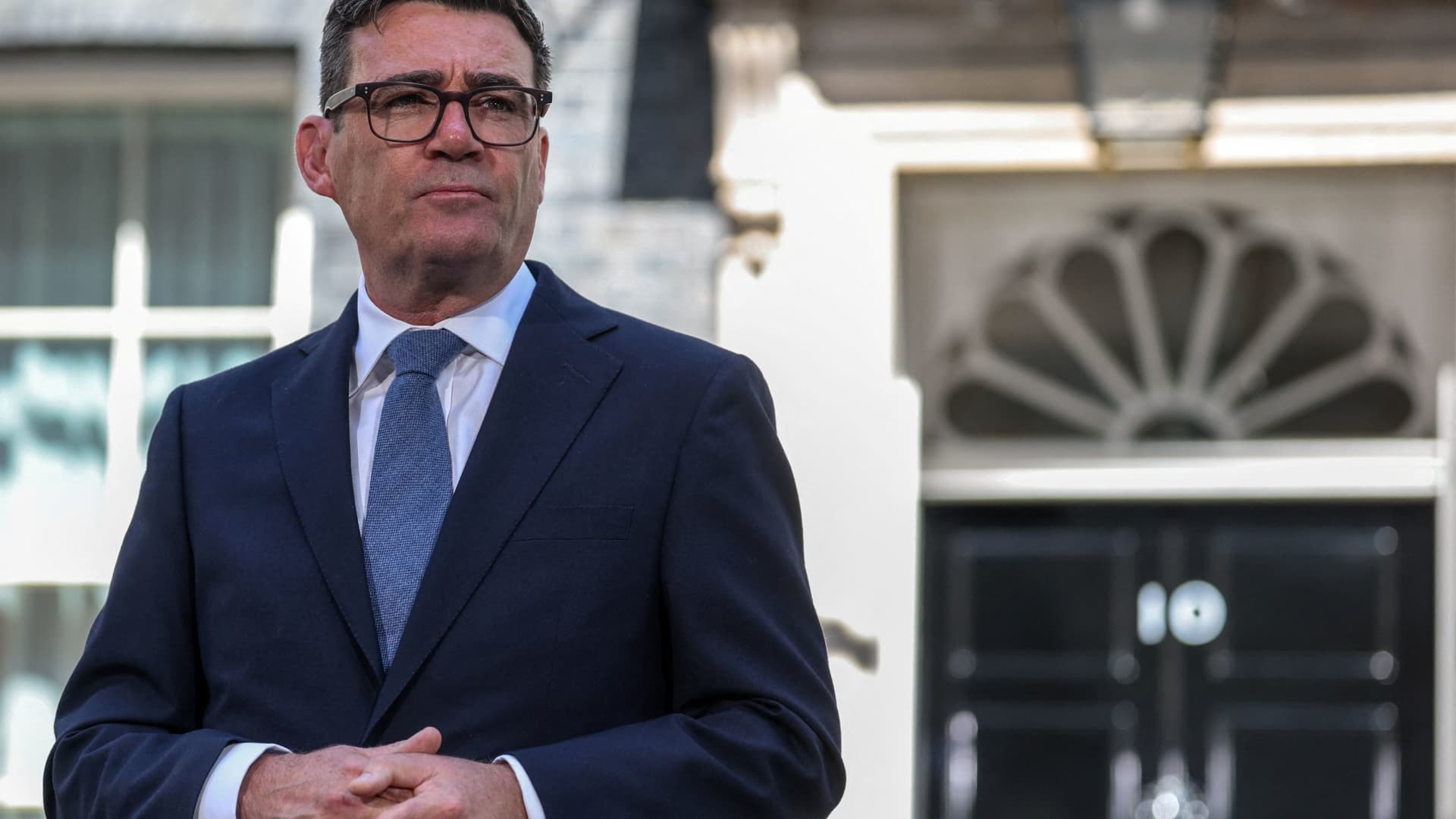
Former Bank of England economist Andy Haldane warns the U.K. faces high borrowing costs ahead of the Autumn Budget. He urges fiscal caution to appease markets and avoid economic instability.
The U.K. Fiscal Tightrope: Analyzing the Autumn Budget Perils
As the United Kingdom approaches its pivotal Autumn Budget on October 28, the economic discourse has been dominated by urgent warnings from industry experts. Andy Haldane, the former chief economist of the Bank of England, has characterized the nation’s current fiscal position as being on "thin ice." This metaphor underscores a precarious reality: the U.K. currently contends with the highest government borrowing costs among the G7 nations, leaving little room for error in policy execution.
The Pressure of G7 Borrowing Costs
The U.K.’s standing as the G7 member with the highest borrowing costs is a significant structural burden. When a government’s cost of debt rises, it restricts the fiscal space available for public investment, infrastructure development, and social services. Haldane’s assessment suggests that this elevated cost is not merely a technical statistic but a genuine threat to national stability. If the upcoming budget fails to reassure global investors, the risk of a market reaction could exacerbate these borrowing pressures, creating a feedback loop of economic volatility.
Navigating the Fiscal Tightrope
Haldane’s prescription for the government centers on a delicate balance: curbing public spending while avoiding the implementation of "painful" tax hikes. The challenge for policymakers is that these two objectives are often inherently contradictory. Cutting spending can stifle growth, whereas increasing taxes can dampen consumer sentiment and business investment. The "thin ice" warning implies that the government must find a third way—a strategy that demonstrates fiscal discipline to appease financial markets without triggering a domestic economic contraction.
The Importance of Market Sentiment
The role of financial markets in this scenario cannot be overstated. In a globalized economy, the perception of fiscal credibility is just as important as the fiscal data itself. By speaking at the 'How Britain Can Win' conference, Haldane highlighted that the government’s primary task is to signal stability to the institutions that finance the national debt. If the market loses confidence in the U.K.'s fiscal trajectory, the cost of servicing that debt will rise further, potentially leading to the "cracking ice" scenario he described.
Political and Economic Consequences
The intersection of economic policy and political survival is clear. Haldane warned that "nothing would be worse" than the ice cracking beneath the government's feet, suggesting that both economic stability and political reputation are at stake. A failed budget would not only impact interest rates and inflation but could also severely undermine public trust in the current administration’s ability to manage the economy.
Future Outlook and Strategic Imperatives
Looking ahead to October 28, the government’s strategy will likely hinge on transparent communication and evidence-based fiscal planning. The goal is to provide enough reassurance to the markets to lower the risk premium on U.K. debt while fostering an environment conducive to small business growth, as emphasized by the context of the Goldman Sachs-hosted event. Ultimately, the U.K. must prioritize sustainable growth over short-term political gains to stabilize its position within the G7 and move off the "thin ice" entirely.