Zelenskyy praises ‘exemplary’ drone operation that sank Russian warship in a Libyan port
Source Entity
US Top News and Analysis
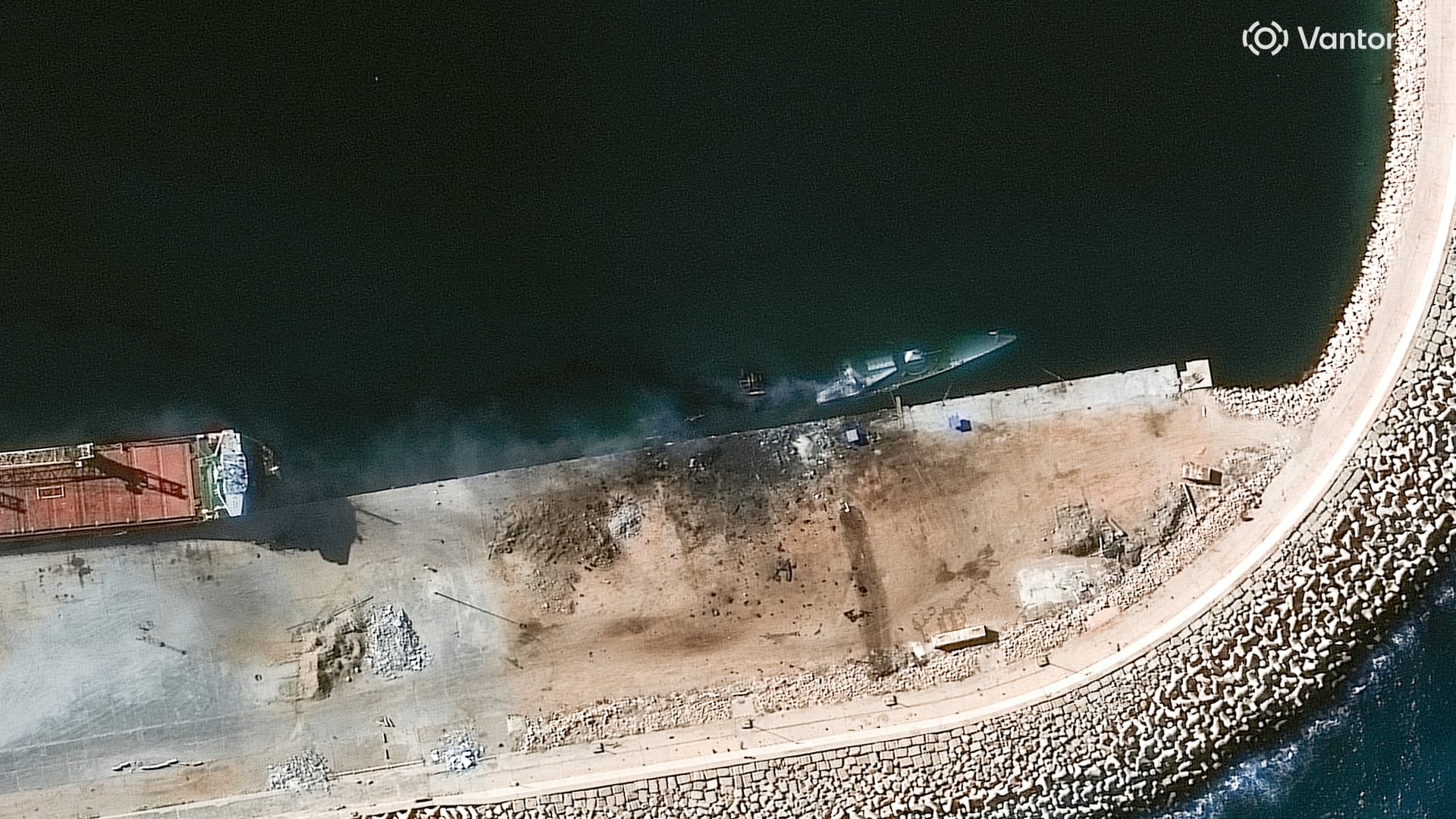
Ukrainian drone strikes have targeted Russian naval assets in both the Mediterranean and the Baltic Sea. These operations highlight a shift in maritime warfare, with Kyiv successfully utilizing domestically produced sea drones to disrupt Russian logistics.
The Expansion of Ukraine’s Maritime Drone Warfare
Recent military developments have signaled a significant escalation in Ukraine's maritime strategy, as Kyiv successfully executed a high-precision operation against a Russian navy corvette, the Merkury, in the Libyan port of Benghazi. President Volodymyr Zelenskyy publicly lauded this operation, characterizing the use of seven domestically produced sea drones as an "exemplary" military achievement. By striking a Russian vessel deep in the Mediterranean, Ukraine has demonstrated that its reach is no longer confined to the Black Sea, effectively challenging Russia's ability to operate secure supply lines in international waters.
Tactical Precision and Global Reach
The operation in Libya highlights a sophisticated evolution in Ukrainian military tactics. The ship, which had stopped in Benghazi for refueling and supplies, was caught vulnerable during a dawn strike. Satellite imagery provided by Planet Labs PBC confirms the severity of the attack, showing the vessel engulfed in flames before it became partially submerged at the pier. This incident underscores the effectiveness of asymmetric warfare; by utilizing low-cost, domestically manufactured drones, Ukraine is capable of inflicting heavy losses on Russia’s high-value naval assets, forcing Moscow to reconsider the safety of its logistical chains far from the immediate front lines.
The Baltic Front and Regional Tensions
Simultaneously, the conflict has intensified in the Baltic Sea, where a Russian cargo ship, the Sparta II, was struck by drones while en route to the exclave of Kaliningrad. This attack, which resulted in a prolonged fire, necessitated international recovery efforts involving Finnish, Estonian, and Russian assets. The involvement of Finnish authorities—who have confirmed that the ship drifted into their waters—highlights the spillover risks associated with these maritime operations. As the Sparta II event demonstrates, Ukrainian drone operations are increasingly targeting the logistical backbone of the Russian military, complicating the transit of cargo to crucial strategic outposts.
Strategic Implications for the Crimea Bridge and Beyond
These maritime strikes occurred in the shadow of recent damage inflicted upon the Crimea bridge, a symbol of Russian influence in the region. The proximity of these events suggests a coordinated effort by Kyiv to degrade Russian military infrastructure across multiple theaters. By hitting targets in the Baltic and the Mediterranean within days of operations against the Crimea bridge, Ukraine is signaling a multi-front campaign designed to stretch Russian defensive capabilities and disrupt the Kremlin’s maritime mobility.
Geopolitical Consequences in Libya
The incident in Benghazi carries profound geopolitical weight, particularly given Libya's complex political landscape. The eastern government of Libya has confirmed it is working with Russian authorities to investigate the breach of security at the naval base. This collaboration highlights the growing friction between regional security and the ongoing Russo-Ukrainian conflict. As Russia attempts to maintain its influence through naval presence in North Africa, the vulnerability of its ships to Ukrainian drone technology threatens to undermine its standing in the Mediterranean.
Future Trends in Maritime Asymmetry
The success of these operations sets a dangerous precedent for naval warfare. The reliance on inexpensive, long-range drones to neutralize surface combatants suggests that naval dominance is no longer the exclusive purview of nations with massive carrier groups. As Ukraine continues to innovate, the Russian Navy must grapple with the reality that even distant ports and supply routes are now within the strike radius of Kyiv’s asymmetric forces. This trend is likely to drive further investment in anti-drone maritime defenses, as nations worldwide observe the shifting balance of power at sea.