China’s humanoid robots are moving faster. Unitree IPO puts robot boom to the test: Can it beat the US?
Source Entity
Latest News: Todays Latest News Headlines from India & World | Hindustan Times | Hindustan Times
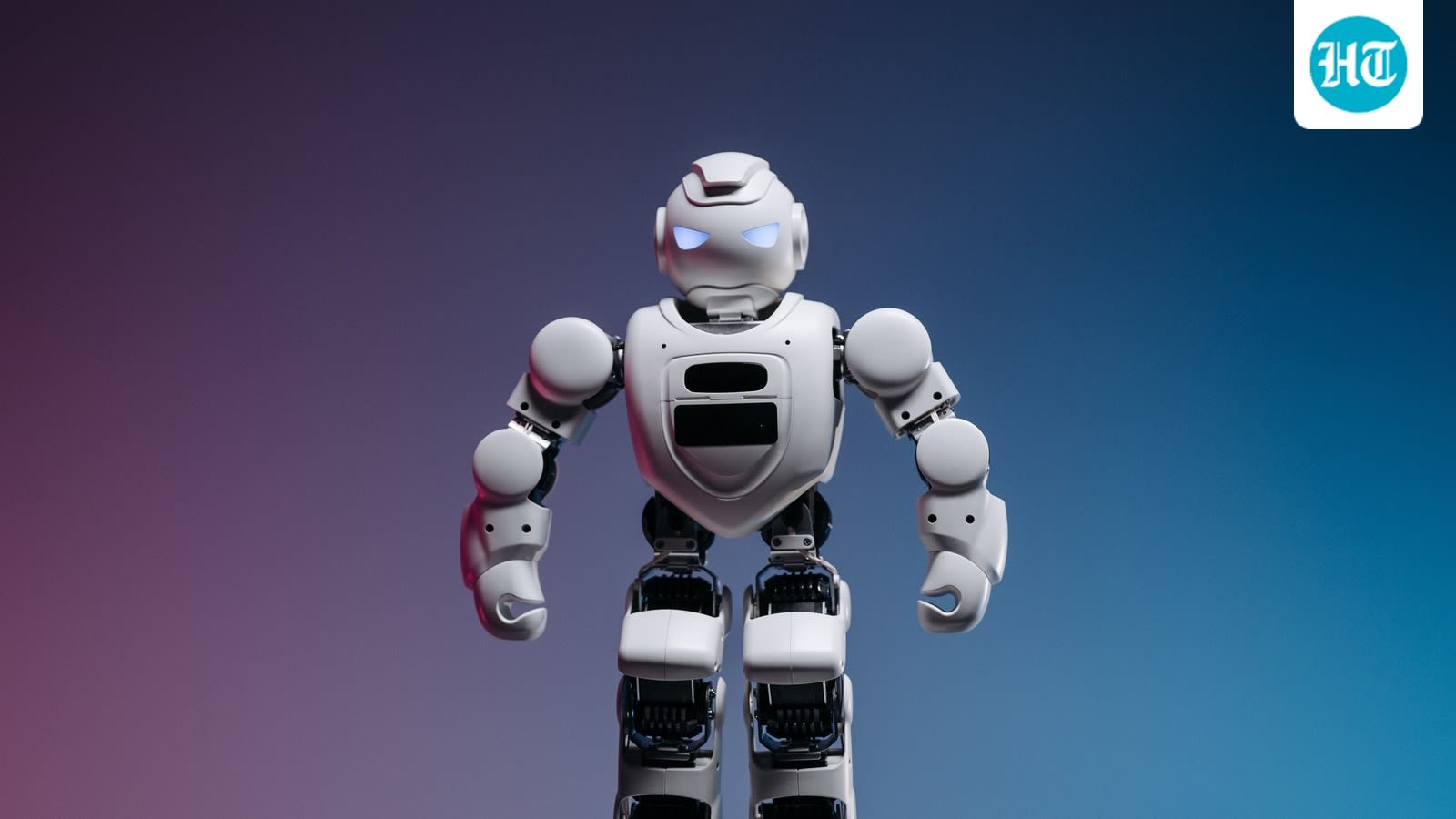
Unitree Robotics is preparing for a $900 million IPO on the Shanghai Stock Exchange, valuing the company at $9 billion. This move marks a pivotal test for China’s humanoid robot industry as it competes against American firms for global market dominance.
The Rise of Unitree: China’s Humanoid Ambitions
Unitree Robotics has emerged as a significant player in the rapidly evolving field of humanoid robotics. While the firm may have previously operated under the radar for many international observers, its viral online presence—characterized by videos of machines executing complex, near-human movements—has garnered substantial global attention. This public visibility has now transitioned into a concrete financial milestone, as the company readies itself for an initial public offering (IPO) on the Shanghai Stock Exchange.
Financial Valuation and Market Implications
The financial parameters of this IPO are striking, with Unitree pricing its shares at approximately $22 each. By seeking to raise roughly $900 million, the company is establishing a valuation of approximately $9 billion. This aggressive capital raising effort serves as a barometer for the broader Chinese robotics sector, signaling that domestic firms are moving beyond the prototype phase and are now focused on massive production scaling to capture market share.
The Global Humanoid Arms Race
This development occurs against the backdrop of a fierce international competition between Chinese and American robotics firms. As US companies also scramble to secure a lead in the burgeoning humanoid market, Unitree’s ability to successfully navigate the public markets will likely influence how capital is allocated to domestic competitors. The race is no longer just about engineering capabilities; it is now about supply chain efficiency and the ability to manufacture at a scale that makes humanoid technology commercially viable.
Challenges in Commercialization
The central challenge facing Unitree, and indeed the entire industry, is the transition from impressive technical demonstrations to sustained commercial profitability. While the viral videos of Unitree’s robots performing superhuman tasks have been instrumental in building brand awareness, the true test lies in identifying repeatable, high-value use cases. Investors are now tasked with determining whether the current valuation of $9 billion is supported by a clear path to widespread industrial or consumer adoption.
Future Trends and Strategic Outlook
Looking ahead, the success of this IPO could signal a shift in how humanoid robotics are perceived by institutional investors. If Unitree succeeds in deploying its technology across diverse sectors, it may catalyze further investment in Chinese automation, potentially widening the gap in production capacity compared to Western counterparts. Conversely, if the commercial rollout faces delays or technical hurdles, it could trigger a correction in the valuations of other high-flying robotics startups, emphasizing the need for tangible operational metrics over speculative growth.
Conclusion
Ultimately, Unitree’s move to go public represents a defining moment for the robotics industry. By testing the appetite of the Shanghai Stock Exchange for high-tech manufacturing, the company is forcing the market to confront the reality of the humanoid boom. Whether Unitree can successfully leverage this $900 million infusion to cement its position as a global leader remains to be seen, but the company’s trajectory is undeniably a critical bellwether for the future of human-machine interaction.
Verification Required?