UP official moves Supreme Court against quashing of student’s NSA detention
Source Entity
The Indian Express
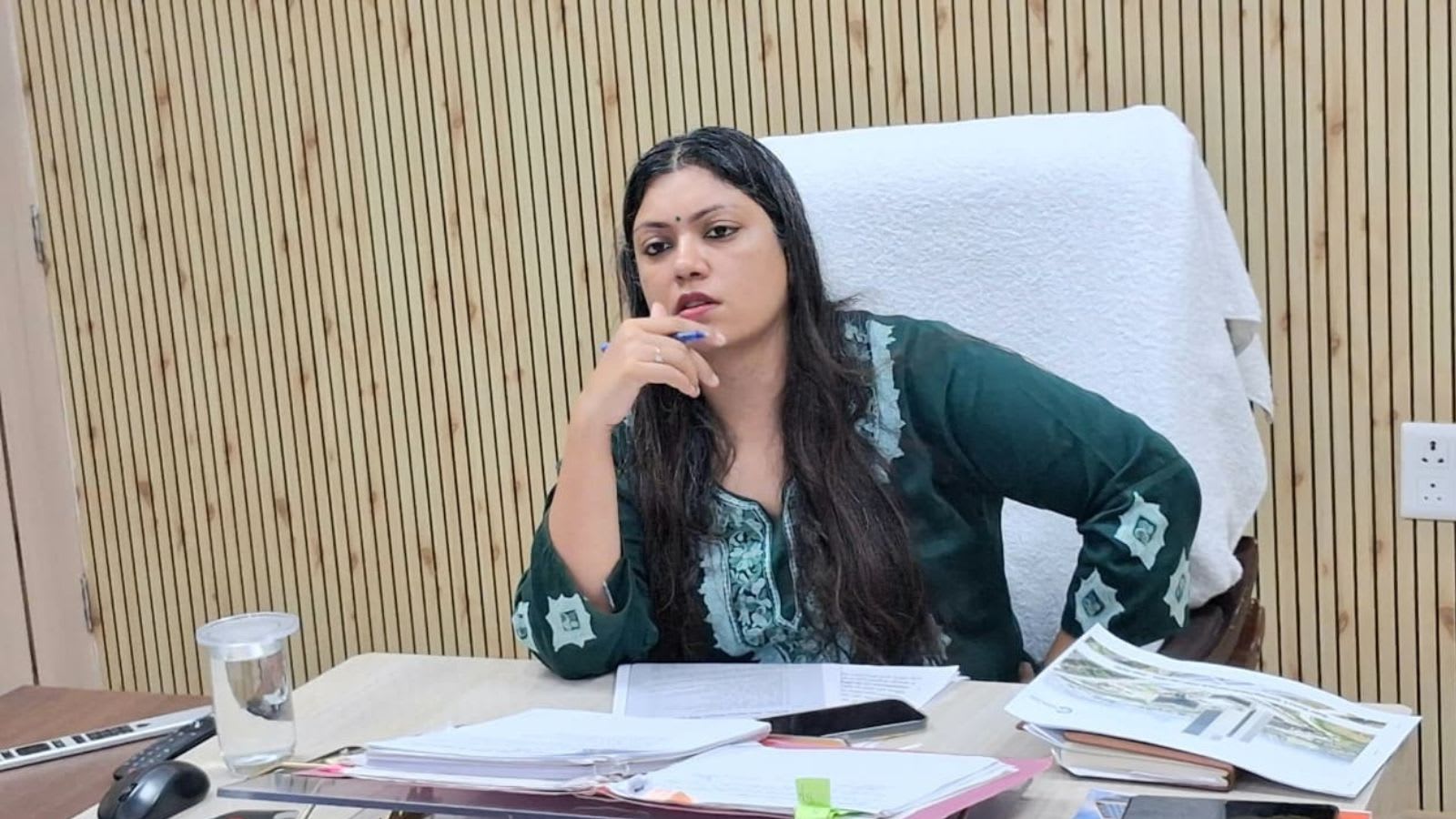
Gautam Budh Nagar DM Medha Roopam has moved the Supreme Court challenging an Allahabad High Court order that quashed a student's NSA detention. The High Court had previously reprimanded the administration for the illegal detention and ordered compensation for the student, Akriti Chaudhary.
Legal Contestation Over NSA Detention
The ongoing legal battle involving the Gautam Budh Nagar district administration and Delhi University student Akriti Chaudhary has reached the Supreme Court. District Magistrate (DM) Medha Roopam has filed a petition challenging an earlier Allahabad High Court order that quashed the detention of the student under the National Security Act (NSA). The detention, which occurred following a workers' protest in Noida, has become a focal point for debates regarding the administrative use of preventive detention laws in India.
The High Court’s Scathing Critique
In its September 2 order, the Allahabad High Court did not merely quash the detention; it issued a stern rebuke of the administrative process. The court characterized the actions of the district magistrate as a "casual and cavalier exercise of authority." By highlighting a "lack of application of mind" regarding the police report against the student, the court underscored the necessity for rigorous scrutiny before invoking draconian laws like the NSA. The judicial bench went as far as to warn that such unchecked power risks transforming the administrative environment into an "Orwellian dystopia."
Financial Accountability and Constitutional Rights
One of the most significant aspects of the High Court’s ruling was the directive for financial accountability. The court ordered that Rs 5 lakh be recovered from the salaries of the officials involved, including DM Medha Roopam, to compensate Akriti Chaudhary for the violation of her constitutional rights. This move sought to establish a precedent where individual bureaucrats might be held personally liable for actions deemed to be an abuse of power, marking a sharp departure from the traditional practice of state-funded indemnification for administrative errors.
The Supreme Court Challenge
By approaching the Supreme Court, the district administration is seeking to overturn both the quashing of the NSA order and the punitive financial liability imposed by the High Court. The petition names Akriti Chaudhary as the primary respondent, setting the stage for a high-stakes legal interpretation of the limits of executive power. This appeal follows earlier indications from the Solicitor General, who had signaled the government's intent to contest the High Court’s findings regarding the procedural lapses in the detention.
Broader Implications for Administrative Law
This case highlights a growing tension between state security imperatives and the protection of civil liberties. The NSA, often described as a preventive detention law, grants authorities significant latitude to detain individuals without trial to prevent them from acting in any manner prejudicial to the security of the state. However, the judiciary's intervention in this instance serves as a reminder that this power is not absolute and must be exercised with strict adherence to due process. The Supreme Court's eventual verdict will likely serve as a landmark reference for how administrative officers must document and justify the invocation of extraordinary legal measures in the future.
Conclusion
The outcome of this appeal will carry significant weight for both the administrative machinery in Uttar Pradesh and the broader legal framework governing individual rights. As the Supreme Court considers the validity of the detention and the subsequent compensation order, the case remains a critical examination of the balance between executive authority and judicial oversight in the context of student activism and public protest.
Multiple Citing Sources